Hyundai’s CNG‑powered lineup has surged to capture roughly 22% of the country’s passenger vehicle sales in FY26, a jump from 19.6% the year before. With 47.05 lakh passenger cars sold, about 10.34 lakh were powered by compressed natural gas, underscoring the growing appetite for cleaner fuel in everyday commuting.
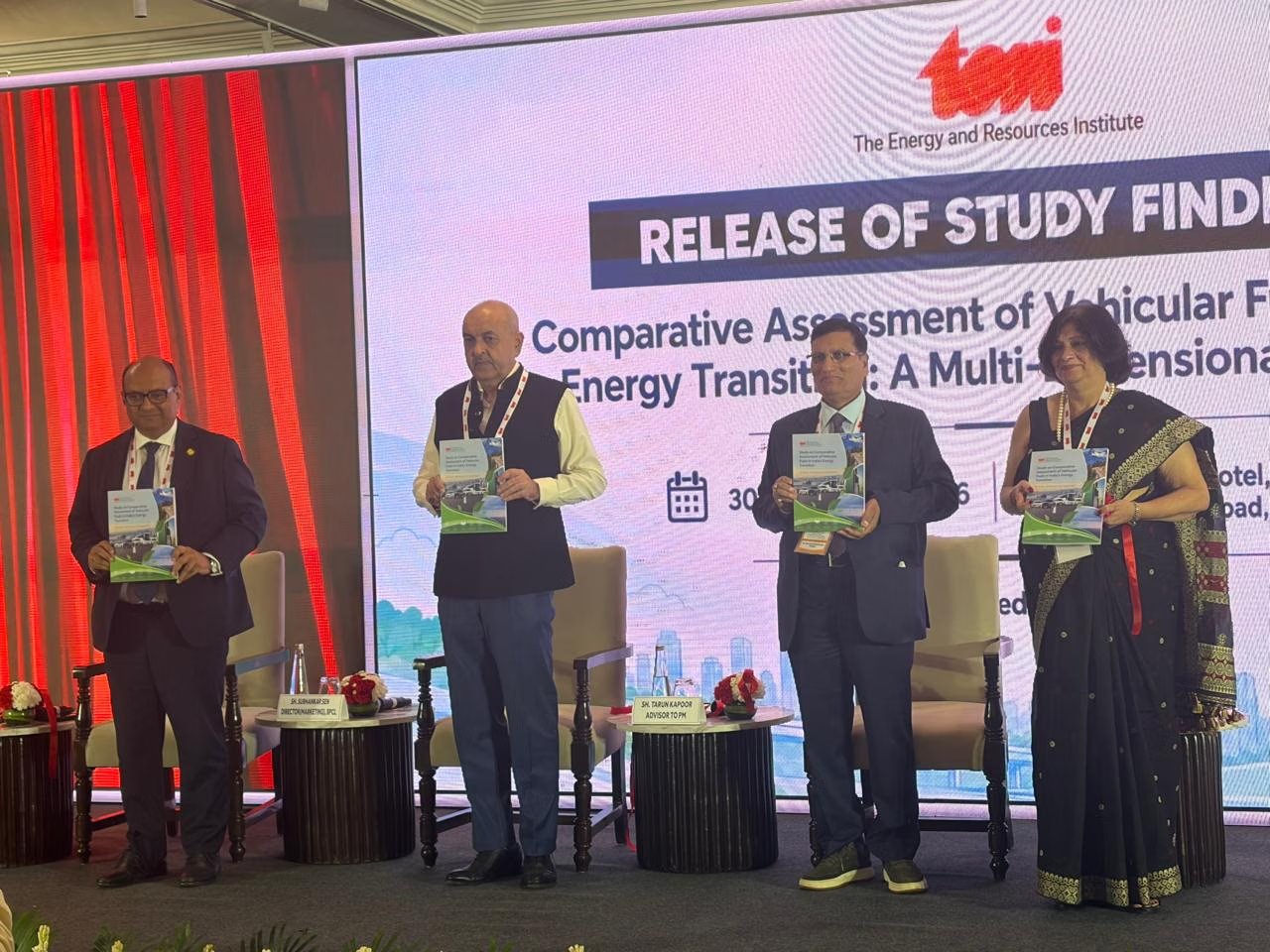
The Energy and Resources Institute’s latest assessment signals that no single propulsion technology can dominate across all vehicle segments. For private cars, CNG offers a balanced mix of lower ownership costs, reasonable environmental impact, and an expanding refill network, making it a practical choice for the average driver.
Electric vehicles, meanwhile, still hold sway in the two‑ and three‑wheelers segment, where high utilisation and battery advances keep ownership costs attractive. In the passenger‑car arena, EVs lag behind CNG in terms of initial purchase price, charging availability, and utilisation patterns, keeping the latter ahead for now.
Infrastructure is a critical lever. The Petroleum Planning and Analysis Cell reports 9,096 CNG stations across the country as of July 31, 2026, but the distribution remains uneven. Stations that can service multiple vehicles quickly and sit near major commercial hubs are still scarce, which can delay the full potential of the CNG market.
For buyers, the immediate takeaway is that a CNG‑powered Hyundai offers a cheaper running cost than a comparable petrol or diesel model, while still delivering a mainstream, well‑serviced platform. Dealerships across metros are already noting a steady rise in demand, and the upcoming years will see further expansion of the CNG refuelling infrastructure as policy pushes for a technology‑neutral fuel framework.
The next few quarters will be telling: as more cities open new CNG points and EV charging corridors widen, the balance between these two fuels will shift. Buyers should monitor how quickly dealer networks are adding CNG cars, the price points of new launches, and the pace at which charging infrastructure is scaling before making a long‑term commitment.