Uttar Pradesh has escalated its gang‑crackdown to a scale unseen in the past decade, with the state reporting cumulative seizures of ₹15,233 crore worth of property by 30‑October‑2026. The figures, released by the state police, trace a steady climb from ₹1,800 crore in 2021 to ₹14,246 crore by the end of 2024, underscoring a growing appetite for asset recovery.
The 148 flats handed over to low‑income families sit on plots once controlled by notorious figures such as Atiq Ahmed and Mukhtar Ansari. In Lukarganj, Prayagraj, 76 flats were handed to residents on 30‑June‑2023, while Lucknow’s Dalibagh area received 72 EWS apartments on 5‑November‑2025, each measuring 36.65 square metres at a price of ₹10.70 lakh.
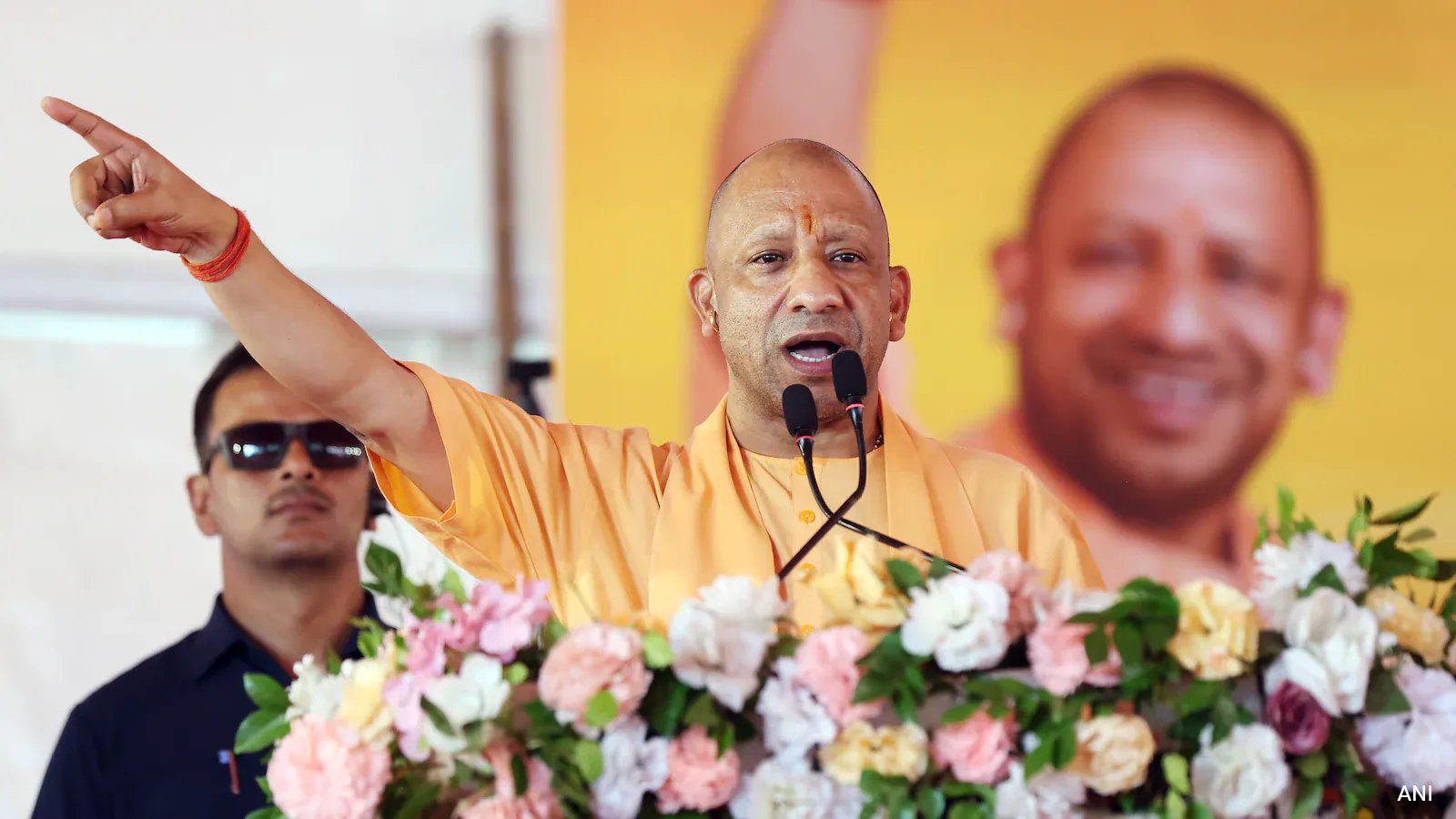
A new chapter began on 15‑October‑2026 when Adityanath laid the foundation stone for a 1,200‑home Padmalok Awas Yojana scheme at Kasari‑Masari, Prayagraj. The project, announced by the Prayagraj Development Authority, will see 602 homes in phase one and 598 in phase two built on land reclaimed from the Atiq Ahmed network.
The conversion of gangster property into housing is still maturing. Attached properties often sit idle pending court proceedings, while some reclaimed plots are earmarked for roads, parks or police stations. The legal labyrinth surrounding each plot can delay the handover of ownership, slowing the pipeline from seizure to habitation.
For families in Krishnapuri, Meerut, bulldozers have become a frequent sight. One resident, who moved into a newly built flat in Lukarganj, said the new home gave her child a chance to study without the fear of eviction. The promise of affordable housing is tangible, yet the full potential of the campaign hinges on swift judicial clearance.
With the Kasari‑Masari foundation stone already laid, the next milestone is the completion of the 1,200‑home complex, expected by mid‑2027. The project’s progress will be closely watched as a barometer of the state’s ability to convert seized assets into lasting public benefit.