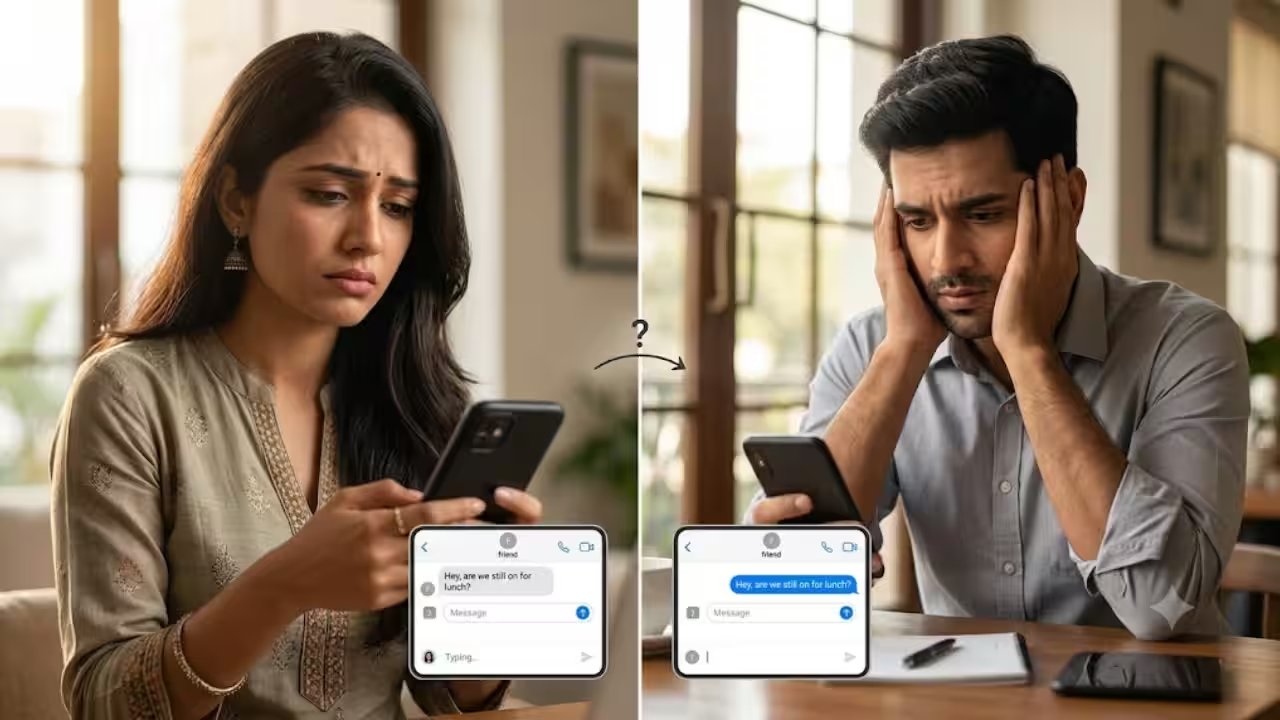
A quick five‑word apology can soften the sting of being left on read. In a recent study, 195 adults recalled moments where they either ghosted or were ghosted; the ones who cut off the conversation reported an average guilt score of 2.27, while the ones who waited expected the other to feel only 1.56.
The study also tested a simple trick: sending “Sorry, I can’t talk right now.” That single line cut the perceived distance. Those who imagined sending it scored a 2.33 on how bad they felt, compared to 1.82 from recipients who had been left in silence. The numbers show that even a brief apology reshapes how we view a pause.
But why do people ghost at all? Some avoid the awkwardness of saying no, others are still learning how to set boundaries. Some even ghost for safety, stepping away from someone who feels threatening. Recognizing the motive helps; if it’s a fear of confrontation, a short apology can be a bridge instead of a wall.
So next time you need a breather, fire off that five‑word note. You’ll not only ease your own guilt but also save the other person from assuming you’re uninterested. Keep a template ready—‘Sorry, I’m busy’ or ‘Need a break, sorry’—in your phone’s quick‑reply list, and use it whenever the chat stalls.