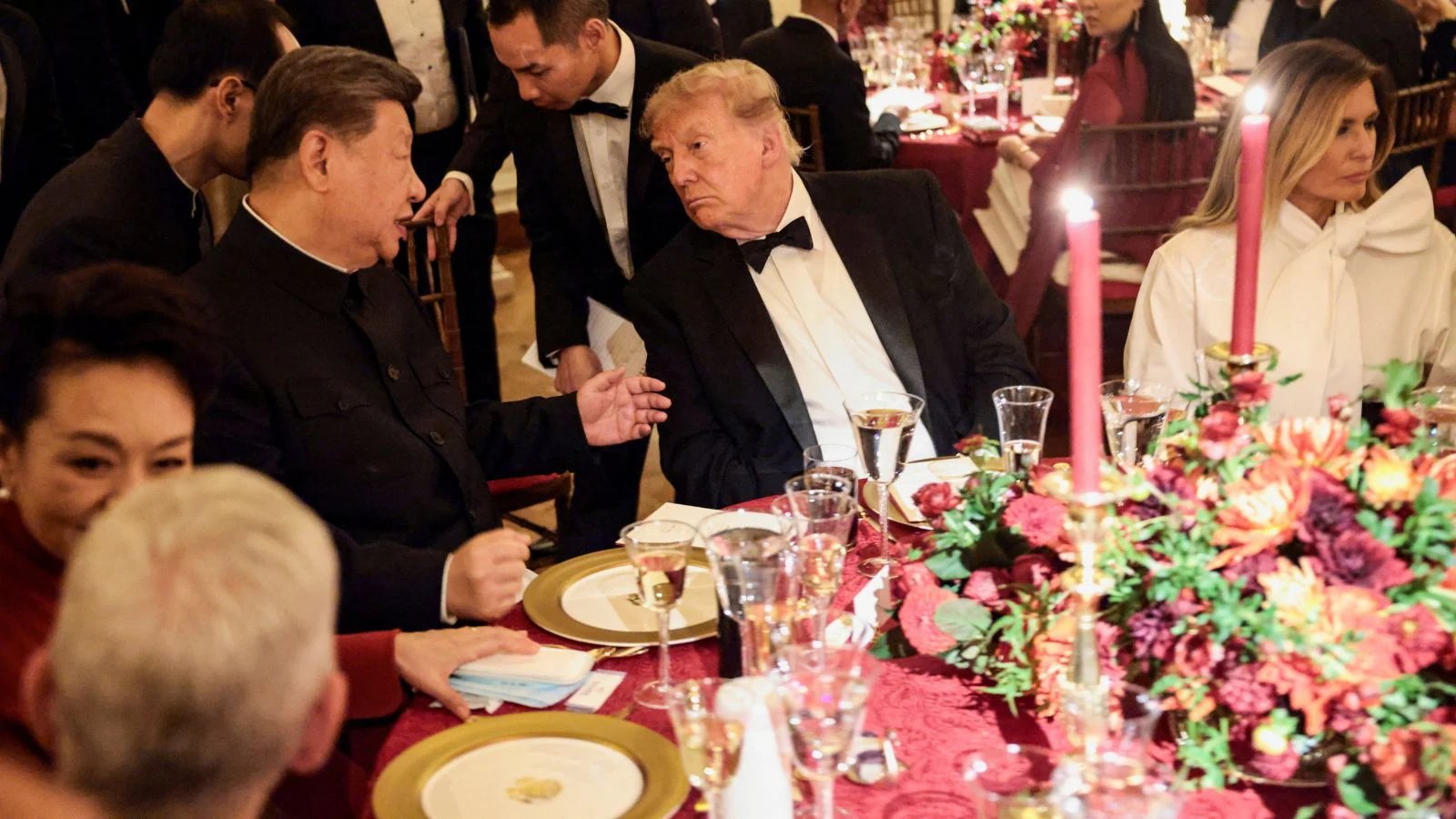
The numbers are on the table. $60 billion. That is the total value of goods—ranging from US corn to Chinese toasters—now facing lower tariffs after the second summit between President Xi Jinping and President Donald Trump last week. US Trade Representative Jamieson Greer confirmed that both nations have recommended $30 billion worth of non-sensitive trade for favorable treatment, effectively unlocking market access for roughly 30% of US exports to China. But the market didn't care about the handshake; it cared about the fine print.
Chinese commerce ministry officials framed the two-month extension of the trade truce, running through January 10, as a window to evaluate the arrangement. They promised a "relatively stable and predictable policy environment" for firms. Yet, the Shanghai Composite and other blue-chip indices slid more than 2% on Monday, hitting a one-year low. Why? Because the agreement lacks concrete details to offset the underlying tensions.
The agricultural focus is stark. China will trim duties on US corn, wheat, sorghum, meat, dairy, and vegetable oils. Notably, soybeans were excluded from the new tariff-cut list, though Beijing has resumed large-scale buying of 25 million metric tons annually under a previous deal. The White House claims this helps meet a $17-billion agricultural purchase commitment. Additionally, China agreed to import 10 million metric tons of US coal in 2027 and 2028, a figure representing roughly 2% of its annual coal imports.
On the technology front, the mood is grim. A bipartisan US push to ban Chinese components from data centers hit tech stocks hard. While both sides agreed to a communication channel for AI incidents and a follow-up dialogue by the end of November, investors viewed this as a delay rather than a solution. The absence of sovereign guarantees on tech supply chains left traders scrambling for exits.
Looking ahead, the focus shifts to the agriculture working group, which meets before year-end to discuss market access. There is also progress on financial services, with China set to examine foreign institutions with US capital for branch openings. AirNews readers should watch the January 10 deadline closely. If the truce doesn't extend beyond that date, the "predictable environment" evaporates, and volatility returns.