Houthis seized Chinese missile components in Yemen in July 2024, after intercepting shipments that carried custom‑made motor and airframe parts, a Conflict Armament Research analysis revealed.
The seized kit included solid‑fuel motor segments, stabilising fins, ablative heat‑shield material, and tools for assembling a precision‑guided system modeled on Iran’s 1,200‑mile‑range Kheibar Shekan.
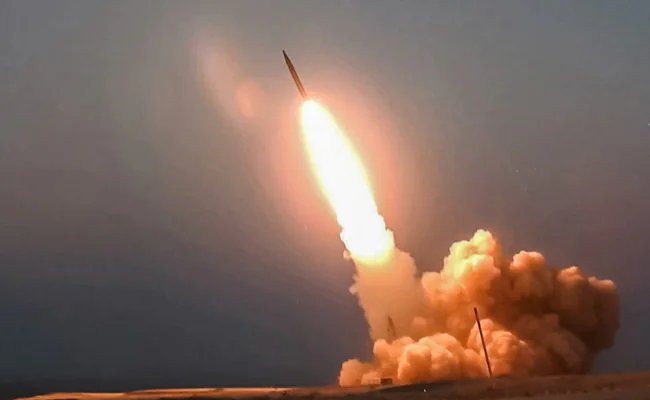
Kheibar Shekan, first unveiled in Tehran in 2022, can manoeuvre to evade air defences, making it harder to intercept than conventional ballistic missiles.
This development follows a surge in Houthi attacks on Saudi oil infrastructure and the Red Sea, which have spurred a Riyadh‑led blockade and prompted Washington to label the group a terrorist organisation.
Chinese manufacturers have emerged as the largest source of seized goods for the Houthis, despite the UN arms embargo; Beijing insists it respects the ban, while U.S. officials accuse a Chinese firm of aiding Red Sea attacks.
Saudi Arabia has already upgraded its air‑defence batteries and expects to test new interceptors in the coming weeks, while the U.N. Security Council is slated to consider a resolution on the Houthi‑China linkages next month.