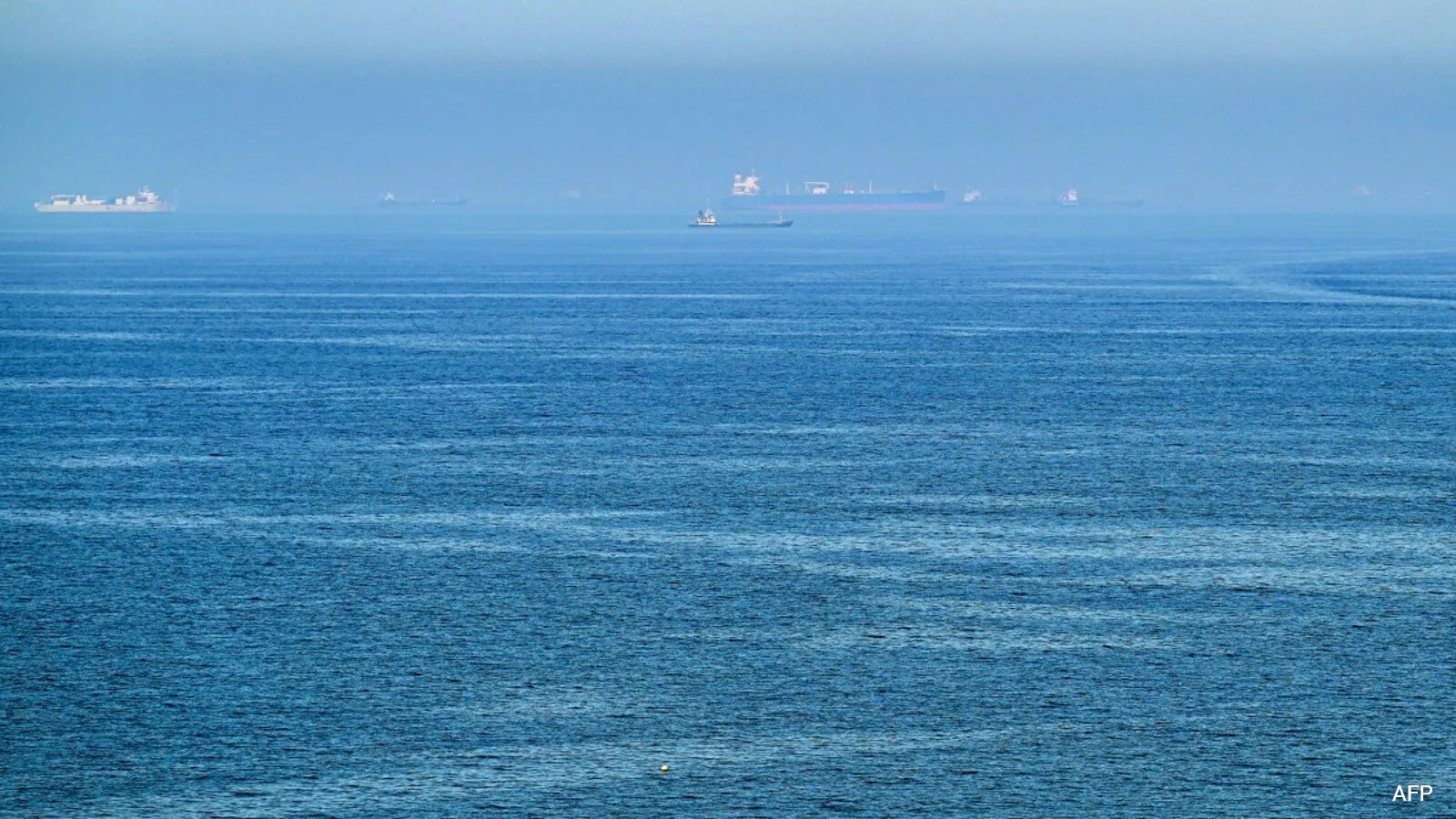
The Singapore-flagged container ship GFS Pride, a 2,824‑TEU vessel, went down off the Strait of Hormuz on 14 October after a projectile struck its hull. The Hydrographer of Pakistan issued a navigational warning that day, noting floating containers and a sinking vessel. The ship’s UAE‑based manager, GFS Ship Management FZE, was unreachable for comment.
This incident marks the second ship to sink in the region since the U.S.–Iran war erupted on 28 February, according to data from the International Maritime Organization. Earlier this month, the Antigua‑and‑Barbuda‑flagged bulk carrier Cape Dao, managed by Peonies Shipmanagement FZE, also sank after a September 23 strike, as reported by Vanguard.
Two senior Iranian officials said the attacks aim to keep global oil prices high and influence U.S. midterm elections. They claimed Iran is deploying new tactics against shipping in the Hormuz corridor, a vital choke point for 20% of the world’s oil.
The International Maritime Organization has called for an emergency meeting of its maritime security committee, while the United Nations has urged all states to maintain freedom of navigation. Shipping companies across the region have issued advisories, urging vessels to avoid the Hormuz waterway and consider alternate routes through the Gulf of Oman.
In the coming days, the European Union’s maritime safety agency will publish revised risk assessments, and the U.S. Navy has pledged to increase patrols in the Persian Gulf to deter further attacks. The incident underscores the growing volatility of the Strait and the need for tighter maritime security protocols.