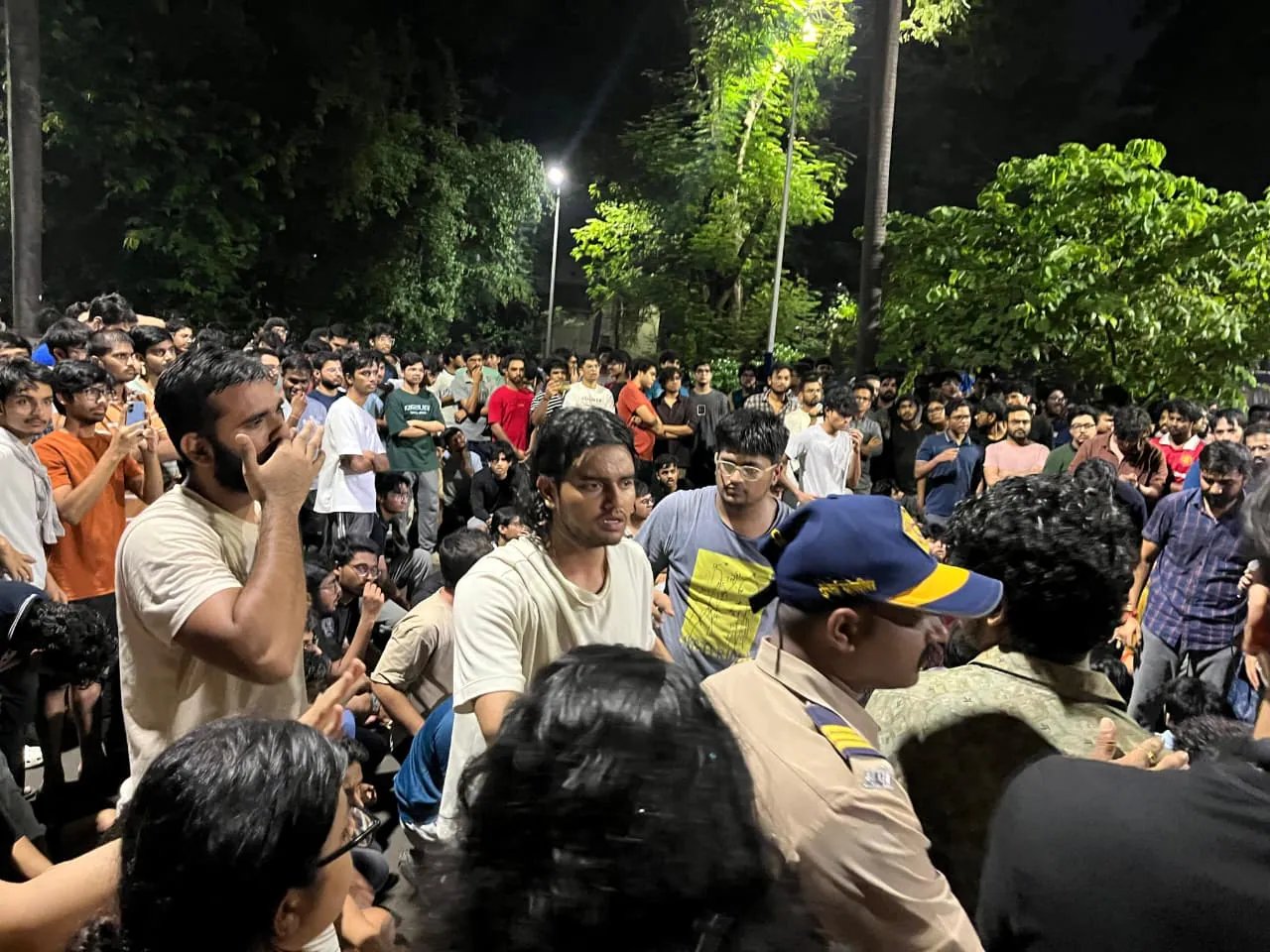
Prof Shireesh Kedare, Director of IIT Bombay, signed the 18-point charter on Sunday night. The document was handed over after a prolonged meeting with students who had maintained a sit-in near the campus main gate for three days. The immediate catalyst was the suicide of Sahil Wakode, a second-year student allegedly caught cheating in an exam. This incident marks the fourth death by suicide on the campus, a tragedy that shattered the institution's reputation for stability.
The charter is blunt. It demands the immediate suspension of Professor Suryanarayana Doolla and the removal of any other stakeholders found guilty by an independent probe. Students also sought a public apology from the institute over a LinkedIn post they described as defamatory and selective regarding Sahil's case. The agreement includes a demand for an independent committee to investigate Sahil's death and the hospital's response, with an interim report due by September 30 and public conclusions by October 15.
The scope of the reforms extends beyond the immediate incident. The charter calls for one counsellor for every 250 students, a 24/7 on-call psychiatrist, and mandatory mental-health sensitisation workshops for faculty. It also demands equal student representation and voting rights on academic committees, stripping the administration of its veto power. Furthermore, the Dean SA office must allocate at least 20 hours a week for one-on-one student interactions.
The stakes are high. The charter specifies that the Director, Dean AP, and Dean SA must resign if the specified demands are not implemented within one month. Students also demanded a written assurance that no disciplinary, financial, or legal action would be taken against those participating in the peaceful protest. The institute had previously stated on September 19 that no disciplinary action was initiated against the late student.
The next milestone is the Open House, demanded before September 22. The Director, Deans, and other key administrators will be present to answer questions directly. The independent committee’s interim report is scheduled for September 30, setting a tight timeline for accountability.