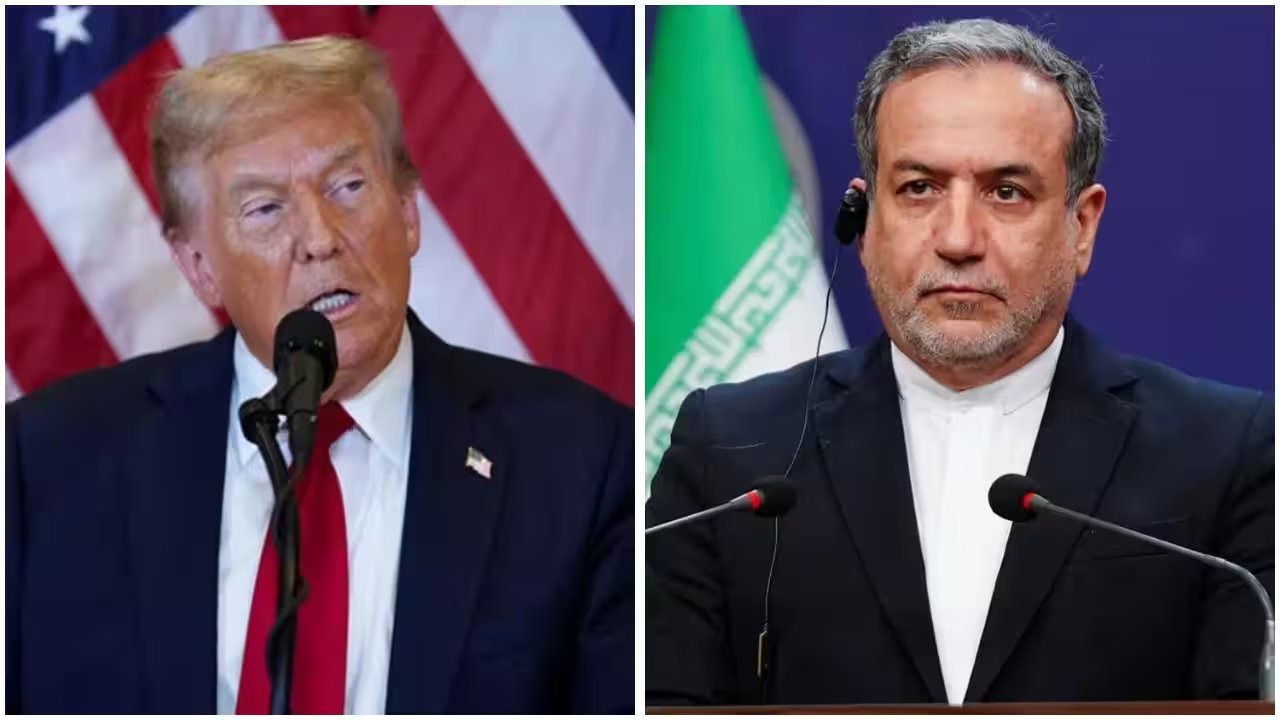
The offer was made while Araqchi sat in Baghdad for an OIC council meeting, where he said Tehran was still reviewing Washington’s response but accused the U.S. of lacking the honesty needed to settle the dispute. He warned that if the U.S. remains disingenuous, the path to reopening the strait remains clear but stalled.
NewPARA Iran’s seven‑point demand list includes lifting the U.S. blockade on its ports, removing sanctions that cripple Iranian oil exports, and ending hostilities across all regional fronts. A key sticking point is Washington’s insistence that Iran’s nuclear programme be addressed first, a move Tehran rejects, insisting negotiations should start with the strait.
NewPARA The Strait of Hormuz carries about one‑fifth of global oil and LNG trade. Its closure during the eight‑month war has sent shock waves through global markets, pushing fuel prices higher and disrupting supply chains in the Middle East and beyond.
NewPARA U.S. officials have pushed back, with Vice‑President J.D. Vance demanding a “meaningful” cut in Iran’s uranium enrichment before any talks can move forward. President Donald Trump, addressing a rally in Kentucky, said the war would end “very quickly” and that American gas prices would fall once hostilities ceased.
NewPARA The next day, Tehran’s diplomatic corps will resume negotiations, hoping the U.S. will accept all seven conditions within the agreed seven‑day window. A decision is expected by early next week, with global markets watching for any sign of a reopening that could restore critical energy flows.