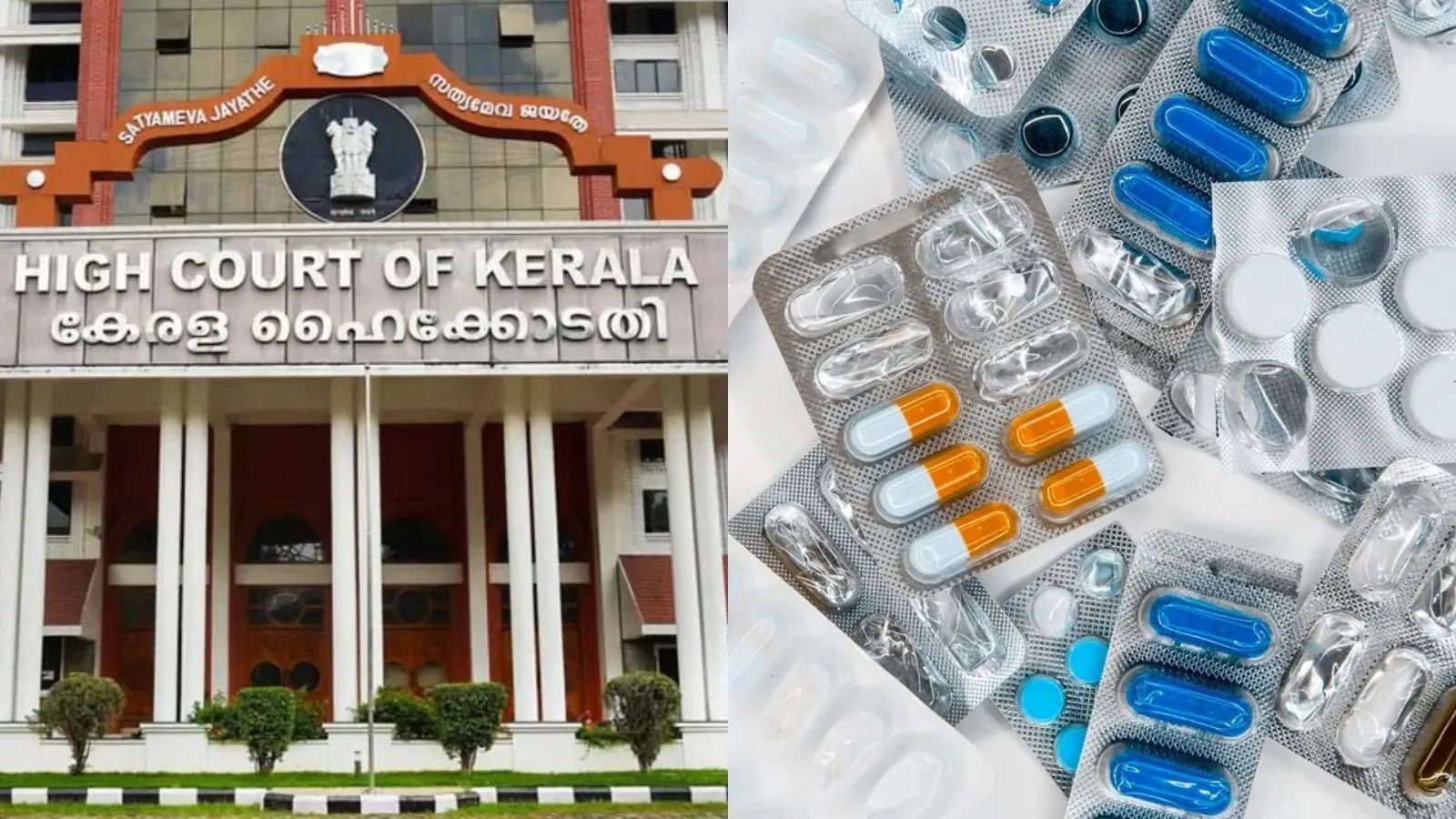
A retired bank employee, living on a monthly pension of ₹28,400, filed a petition on 2 June 2022 seeking a lower price for Ribociclib, a 21‑tablet course costing ₹58,140. She died before the case reached verdict, but the High Court converted the petition into a formal case titled “In Re Exorbitant Pricing of Life‑Saving Patented Medicines” on 16 September 2022, appointing advocate Maitreyi Sachidananda Hegde as amicus curiae. Hegde told NDTV that this judgement is a milestone for access to life‑saving drugs, though implementation remains uncertain.
Justice Harisankar V Menon, delivering the judgment in September 2026, held that Section 100 of the Patents Act authorises the government to use a patented invention for public purposes, including making the drug available on a non‑commercial basis when prices are exorbitant. The court did not order the Centre to start production immediately; it directed the government to gather data on affordability, patient numbers and the impact of existing subsidy schemes before deciding.
The Centre argued that Section 100 is intended for the government’s own use and cannot serve as a price‑control tool for the public. It cited a customs duty cut from 1 February 2026 that lowered the price of 21 tablets from ₹24,355 to ₹22,217.85 in April, only to rise again to ₹22,335 in July.
Novartis maintained that India already receives the drug at its lowest global price and that a 30 % trade‑margin cap imposed by the National Pharmaceutical Pricing Authority limits profiteering. The company also pointed to Palbociclib, an off‑patent alternative, as a cheaper substitute.
The court rejected the substitution argument, noting that Ribociclib and Palbociclib are not interchangeable and that patents must not block public health. It invoked Article 47 and Article 21 of the Constitution and the Patents Act itself, which states that inventions should reach people at reasonably affordable prices.
The next phase will see the Centre solicit data from hospitals nationwide, assessing how many patients need Ribociclib, how many cannot afford it and whether current financial aid schemes suffice. A decision on manufacturing or licensing will likely follow once the data are reviewed, setting a benchmark for future patent‑based drug pricing reforms.