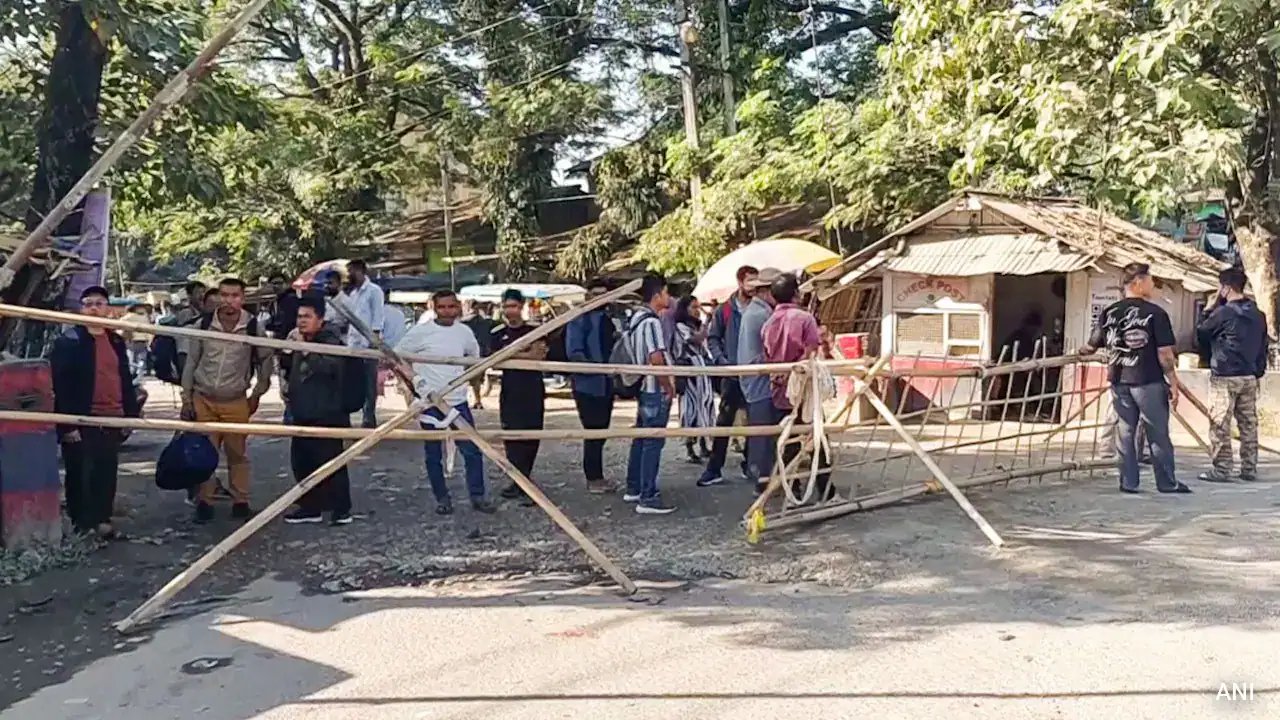
Arunachal Pradesh police called in 34 Rapid Action Force companies to Pasighat on Tuesday in response to a Gen Z strike rally—a move that follows the arrest of 21 protestors over last week’s violent anti‑dam protests. The strike, organized by youth activists in the Siang Valley, demanded the release of detainees and the scrapping of the 11,200‑MW Siang hydro project. The call came after the government’s plan was flagged as a threat to local ecosystems and livelihoods, prompting the Tagin Students’ Union to stage a district‑wide bandh in Upper Subansiri.
The Air Force has already flown several sorties to Pasighat, landing transport aircraft and carrying security reinforcements, while CRPF companies from Assam’s Dibrugarh, Sivasagar, Jorhat, Nagaon and Nalbari were rushed into the valley. Police reports indicate that 34 CAPF companies, including a contingent of women RAF personnel, are now on the ground, ready to quell any further unrest.
The protests escalated on October 23 after a local NHPC office was set ablaze and police vehicles were torched. Houses of elected officials were vandalised, and the state imposed Section 163 restrictions in Pasighat, Mebo and Ruksin. The latest escalation threatens to derail the dam’s construction timetable, which the state government insists is vital for regional power generation.
A local farmer, Arun Kumar, whose fields lie within the proposed dam zone, says the influx of forces has heightened his fear of displacement. He warns that the project could flood 1,200 hectares of arable land if the dam proceeds. The government, however, maintains that the project will bring 1.6 GW of clean energy to the northeast, a promise it has defended in Parliament.
The next step will see the state police file formal charges against the arrested protestors and a court hearing slated for the first week of November. Meanwhile, the central government’s Ministry of Water Resources is expected to convene a meeting with the Arunachal Pradesh Chief Minister to reassess the dam’s viability.