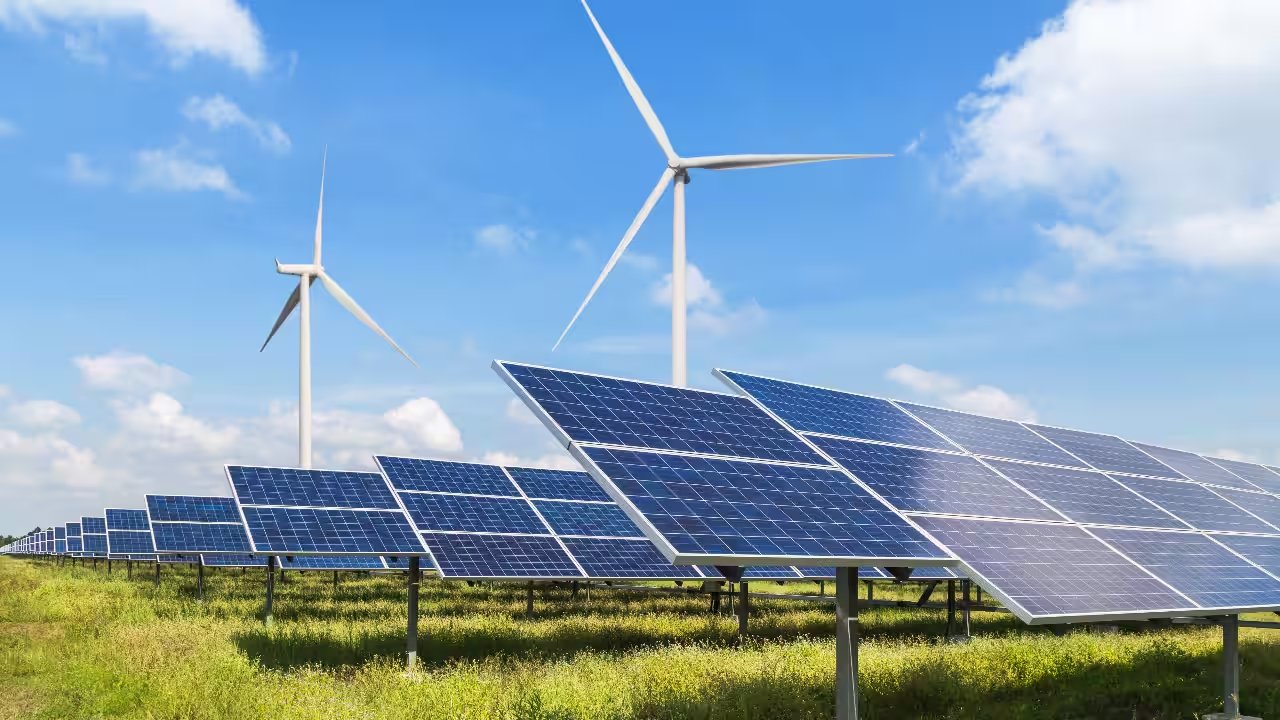
Greg Kesler doesn't just raise cattle and horses anymore. He sells electricity. On his Double Dollar Ranch in Millard County, rows of panels stretch across 1,100 acres that once produced little more than sparse grass. The arrangement is simple: solar developers own the infrastructure, and Kesler collects a steady lease payment. That revenue has become the financial backbone of a family operation that has more than doubled in size over the past ten years.
The idea didn't come from a boardroom in Salt Lake City. It came from Hawaii, where Kesler spotted a solar project and wondered if his own land could do the same. The Double Dollar Ranch had two critical assets: proximity to a major transmission line and a large substation. With those in place, the land that couldn't support a herd became the most profitable part of the estate. Kesler used the influx of cash to buy neighboring properties, securing the family's legacy while modernizing its income stream.
His son, Landon Kesler, now runs a separate business maintaining those panels, not just on the ranch but for projects across the state. It’s a new layer to a 100-year-old family trade. The ranch still hosts team roping events and runs an internship program, but the economics have shifted. For rural communities, the impact goes beyond individual wallets. The Clover Creek solar project in Juab County, for instance, generates over $1.03 million in annual property taxes. Half of that funds the Juab School District’s 3D printers, robotics labs, and swim teams.
But the presence of these massive installations isn't without friction. During the latest legislative session, Utah lawmakers passed a bill restricting tax incentives for solar projects on agricultural land. The goal was to protect productive farmland from being paved over by energy developers. Kesler, a fourth-generation rancher, argues the binary is false. He believes landowners should have the freedom to monetize the unproductive edges of their properties. The next test will be how state regulators define 'productive' farmland as more solar farms dot the desert landscape.