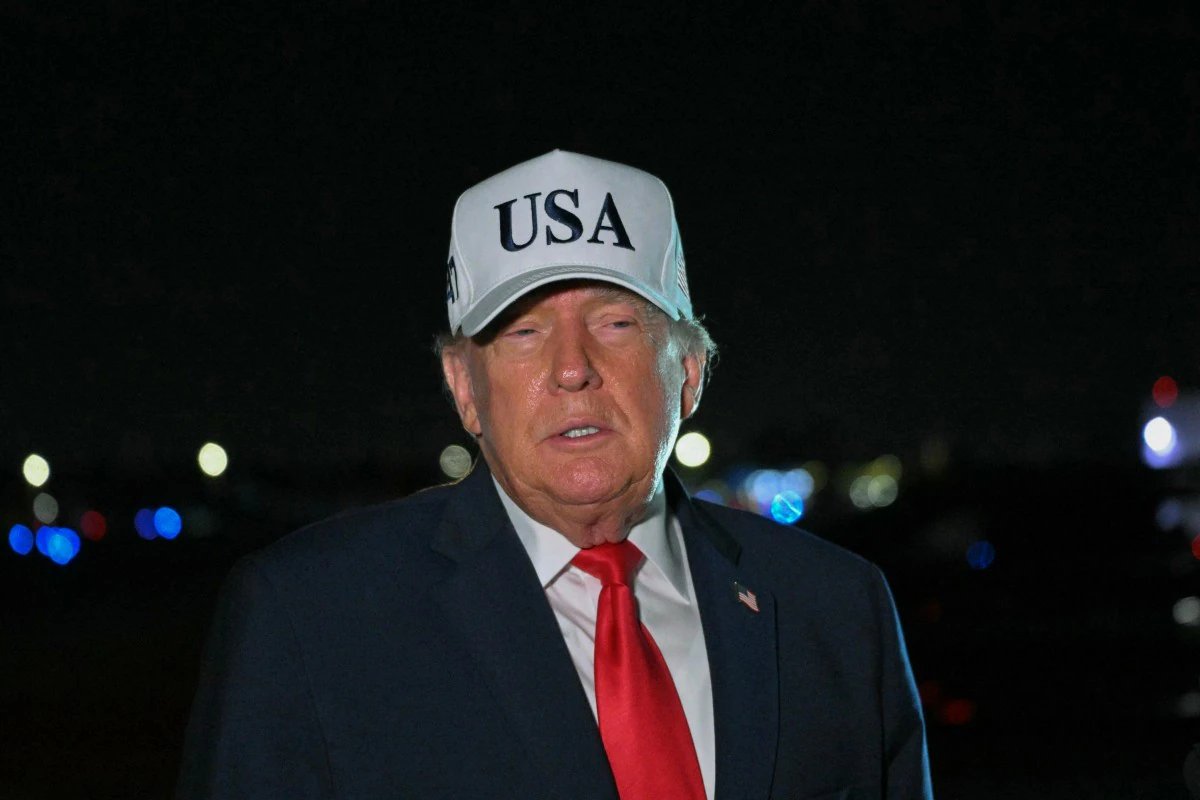
WASHINGTON — A renewed military conflict with Iran is now off the immediate table. US President Donald Trump walked back weeks of escalatory strike threats on Sunday, declaring an immediate return to combat "highly unlikely" as long as diplomatic negotiations continue to crawl forward.
The retreat marks a sharp political pivot. For weeks, Washington braced for fresh air raids once ballots cleared in the US midterm elections. Yet the political calculus shifted overnight. Trump acknowledged that the dragging, deeply unpopular conflict helped trigger his Republican Party's stinging defeat at the polls on Tuesday.
"The answer is highly unlikely it's going to be necessary," Trump said in a televised interview on Sunday. "I would if necessary, but we hit them really hard. I hit them so hard. You don't know how hard I hit them."
Hard rhetoric quickly gave way to transactional ultimatums. Trump insisted any permanent ceasefire hinges on Tehran signing a rigorous surrender document disguised as a peace deal. He pointed directly to Iran's battered balance sheet as the hammer that will force compliance.
"They're a failing nation. It just came out, you saw this year, 301 per cent inflation," Trump said. "They're withering away financially. We've hit them militarily. We could finish them off."
But Tehran is not rushing to the table. In fact, the diplomatic machinery just ground to a complete halt.
Iranian Foreign Minister Abbas Araghchi stated on Sunday that international envoys have suspended negotiations to recalibrate after Democrats swept the US congressional elections. Washington's shifting balance of power has rattled backchannel channels, leaving negotiators unsure who holds the mandate to deal.
"For the past few days, there has been no more travel by mediators, and the reason for this is the shock that the election results in the United States have caused to everyone," Araghchi said in a televised address on Iranian state television. "We now have to see how long it will take for them to digest these results in order to determine how we are going to move forward."
The deadlock carries an immediate economic bite across global sea lanes. Iranian forces continue to choke maritime traffic through the strategic Strait of Hormuz, pinching crude shipments from the Persian Gulf. That blockade has driven US gasoline prices sharply upward, eroding public support for Washington's overseas campaign. Stalled negotiations now await formal diplomatic contact to determine whether regional mediators will resume shuttle diplomacy or allow the maritime standoff to harden into winter.