The Election Commission said the extra Annexure‑D declaration would apply only in the 19 states and Union Territories where the Sample‑Based Identification Register (SIR) remains active—Delhi, Maharashtra, Karnataka and others. In the 13 states where the SIR has finished and in Himachal Pradesh, Jammu and Kashmir and Ladakh where it has not yet started, new voters would fill out only the standard Form 6. The stricter version, which asks for a relative’s voter ID and roll details, went live in July after the Supreme Court’s May 27 verdict.
Ashok Lavasa, a former Election Commissioner, warned that the Commission cannot unilaterally add conditions that effectively alter statutory requirements for registration. He said the Annexure‑D is not merely an additional declaration but a new condition on a citizen’s right to enrol. Lavasa added that any difference between SIR and non‑SIR states must have a clear legal basis and satisfy Article 14’s scrutiny.
OP Rawat, the former Chief Election Commissioner, echoed Lavasa’s concerns, noting that the Supreme Court was not fully briefed before approving the changes. He argued that the Court’s order on May 27 did not cover the newer, stricter declaration introduced in July. Rawat said only the Centre can amend the Representation of the People Act, after consulting the Commission.
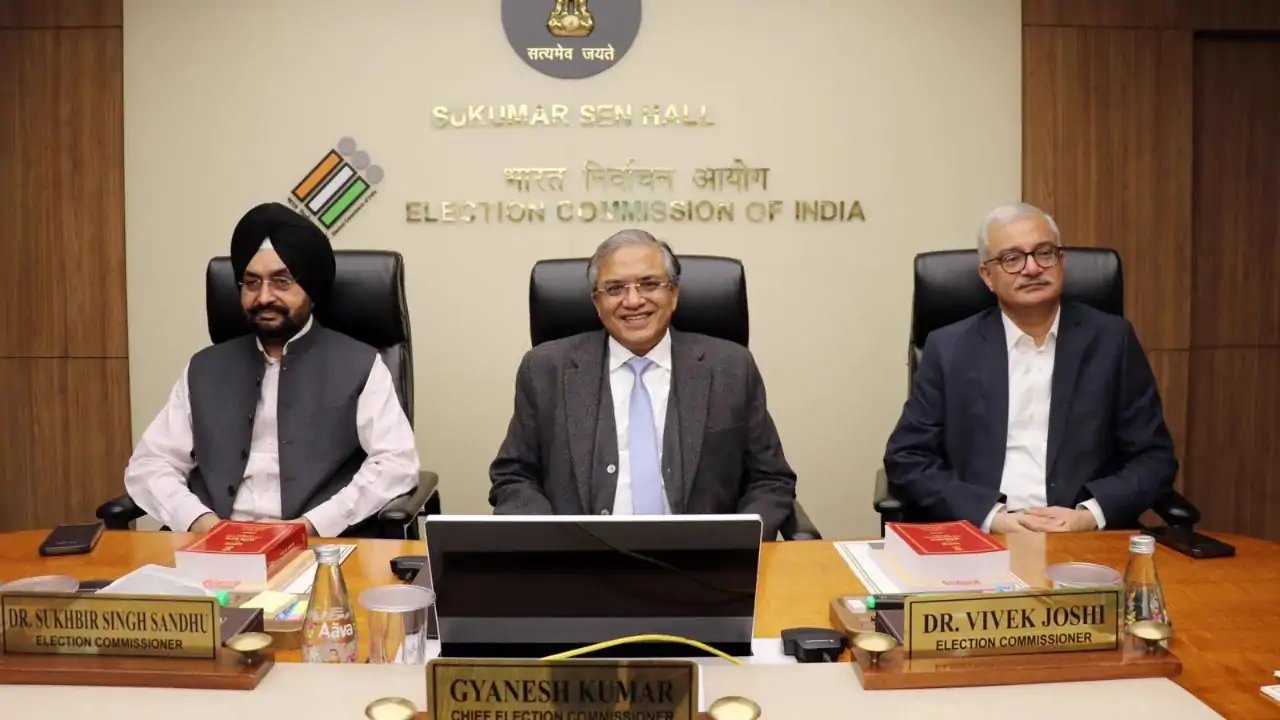
Other sitting election commissioners, Vivek Joshi and Sukhbir Singh Sandhu, reportedly objected to the changes at least 14 times. The Commission denied the rift, claiming its orders were unanimous. The dispute highlights the tension between the Commission’s administrative autonomy and the constitutional limits on its power.
The core issue boils down to whether the EC’s differential enrolment requirements violate Article 326’s guarantee of a uniform right to be registered. If the Supreme Court finds the power "not unbounded", it could mandate a uniform rule for all voters, regardless of state or union territory.
A judicial review is expected in the coming weeks, as the Supreme Court considers whether the EC’s latest changes align with the Representation of the People Act and constitutional provisions. The outcome could redefine the Commission’s authority over voter registration across India.