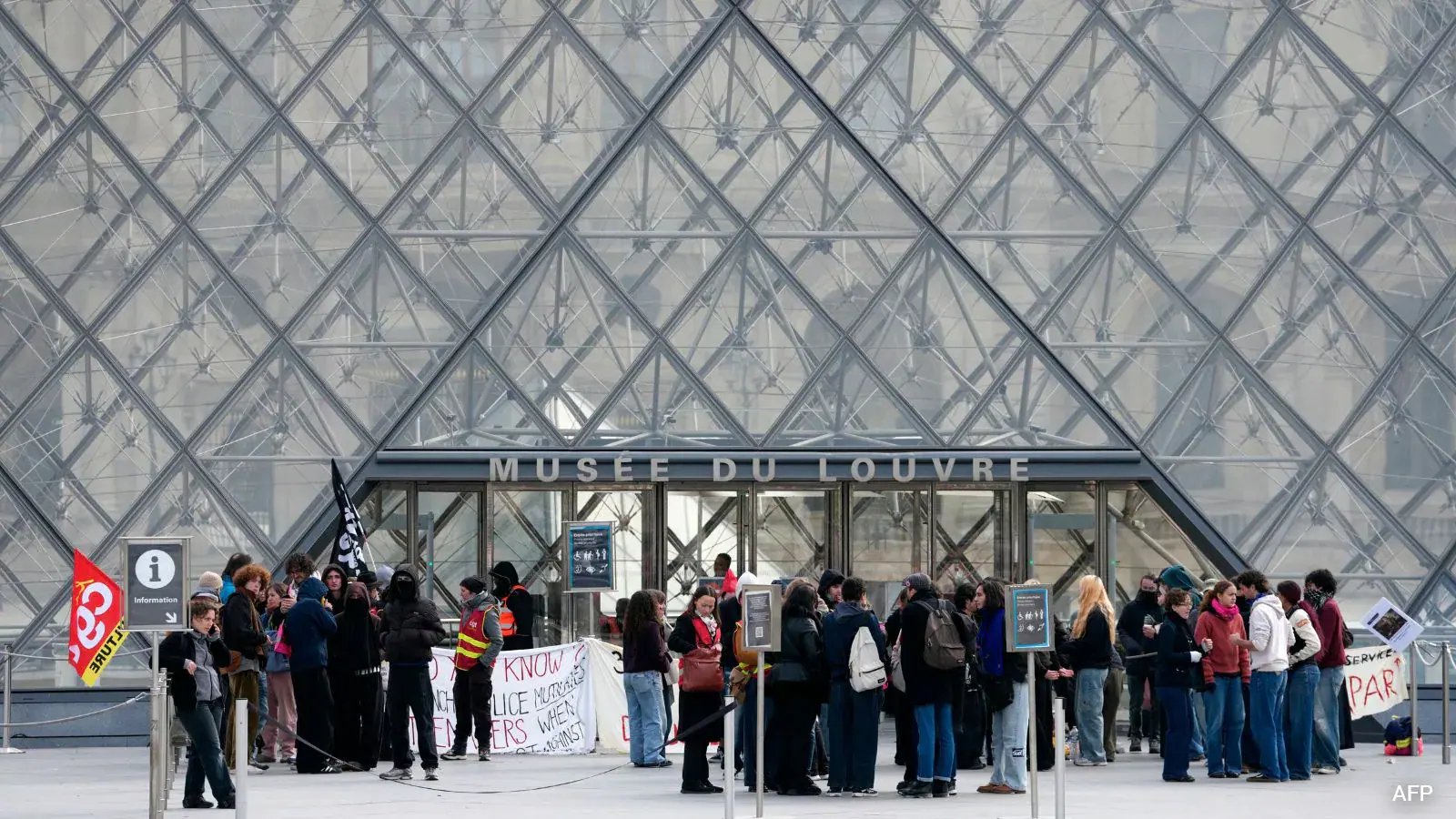
500,000 protesters blocked the entrance to Paris’s Louvre on Monday, turning the world’s most visited museum into a symbol of anger over soaring prices.
The clash erupted after a weekend of street violence that left at least 2,500 people arrested, 1,000 security‑force members injured, and a hand blown off by a police crowd‑control grenade. Police had lost control of the crowds, a fact the interior minister conceded in a televised address.
The demonstrations trace back to a surge in diesel and petrol costs—up 40% and 25% respectively since March—and a 25% increase in food prices since 2021. Youth groups that began the protests in schools have now joined the Yellow Vests, who called for a new round of demonstrations after the weekend’s unrest.
In response, Interior Minister Laurent Nunez offered to resign, but President Emmanuel Macron dismissed the offer and said he would not impose a state of emergency. Local authorities in Marseille have banned public gatherings until 8 p.m. today, and Macron warned that further bans could follow.
The government will brief Parliament on its security strategy tomorrow, while opposition parties pressure Macron to take stricter measures. Meanwhile, the unrest has drawn attention across Europe, with small protests breaking out in Milan, Madrid and Lisbon.
International observers note that the protests could influence voter sentiment ahead of France’s presidential election, where Marine Le Pen’s National Rally is gaining traction.
The Louvre’s temporary closure will last until the security situation stabilises, a decision yet to be confirmed by museum officials.
The next major development will be the outcome of Parliament’s debate on the proposed curfew and the fate of the interior minister’s resignation.