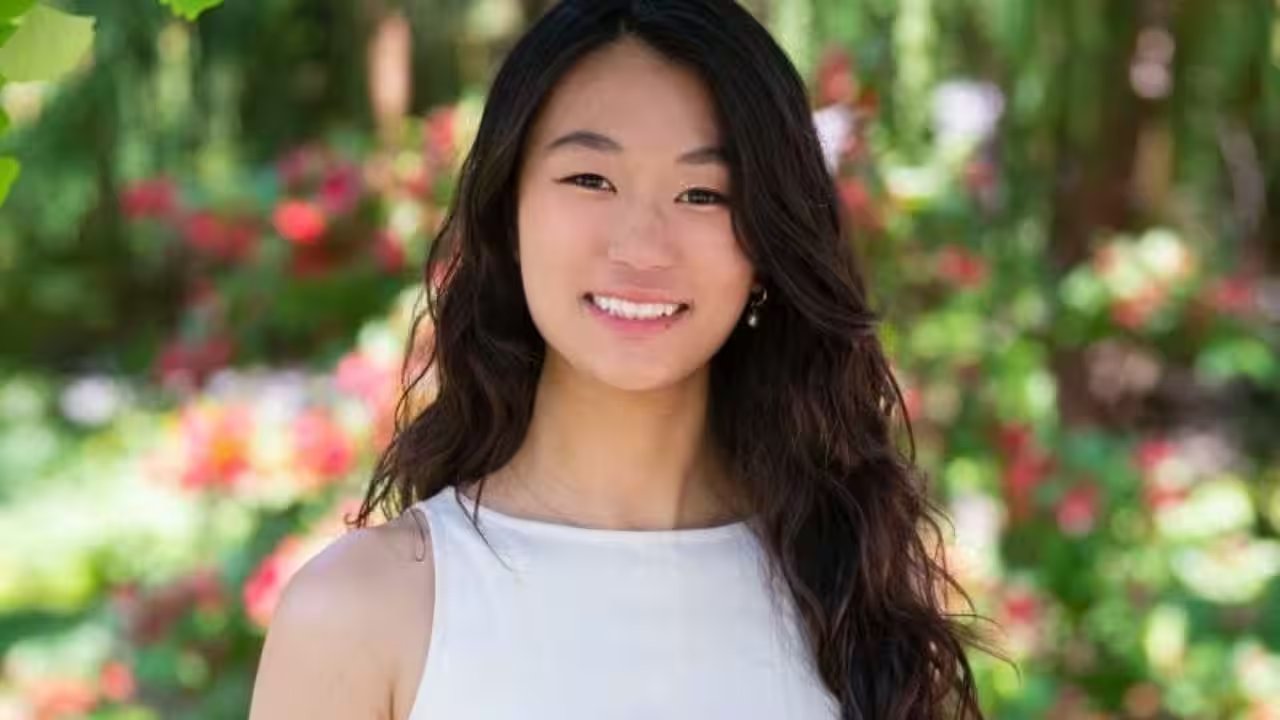
Youth Service America named 19-year-old Celina Poon an Everyday Young Hero in October 2026, recognizing her work in mobilizing more than 300 young people in Boston to participate in local governance. The award, which honors volunteer leaders across the United States, highlights Poon’s specific impact as an intern with the Commonwealth Seminar, a Massachusetts-based organization dedicated to making public life accessible. Poon didn’t just observe the disconnect; she engineered a solution. She planned the organization’s youth conference, designing an educational program that taught teenagers how to navigate town halls and contact lawmakers. For many immigrant families in her hometown, public institutions felt distant and opaque. Poon changed that by turning abstract policy into actionable skills, showing participants how to transform neighborhood complaints into organized civic efforts.
Her approach was unconventional. Instead of dry classroom lectures, Poon created the Arts and Culture Fair, a hybrid event blending creative expression with civic engagement. The fair featured 12 local artists and community organizations, using art to explore cultural history and social change. It was a deliberate strategy. By placing non-profit booths alongside artistic displays, Poon made civic participation feel welcoming rather than formal. Youth Service America organizers noted this method was key to reaching young people who typically avoid public hearings. The relaxed atmosphere allowed residents to discuss neighborhood changes and public policy without the intimidation of a traditional town meeting.
Poon’s civic work aligns directly with her academic path. She is a second-year Bachelor of Architecture student at Carnegie Mellon University in Pittsburgh, Pennsylvania. Her studies focus on how building design influences social connection, with a specific interest in preserving historic neighborhoods. She aims to use her design skills to protect culturally significant spaces from demolition during urban redevelopment. This focus on preservation is personal. Poon wants to ensure longtime residents have a direct voice in how their neighborhoods evolve. She envisions a future where architectural restoration and community outreach work in tandem, keeping public spaces accessible and rooted in local history.
The next step for Poon is integrating her academic projects in Pittsburgh with the civic frameworks she built in Boston. She plans to apply her architectural training to community preservation efforts, ensuring that design decisions reflect the needs of existing residents. Her work with the Commonwealth Seminar has already demonstrated that creative, accessible entry points can drive sustained civic participation. As she continues her studies, Poon remains focused on bridging the gap between young people and the public institutions that shape their daily lives.