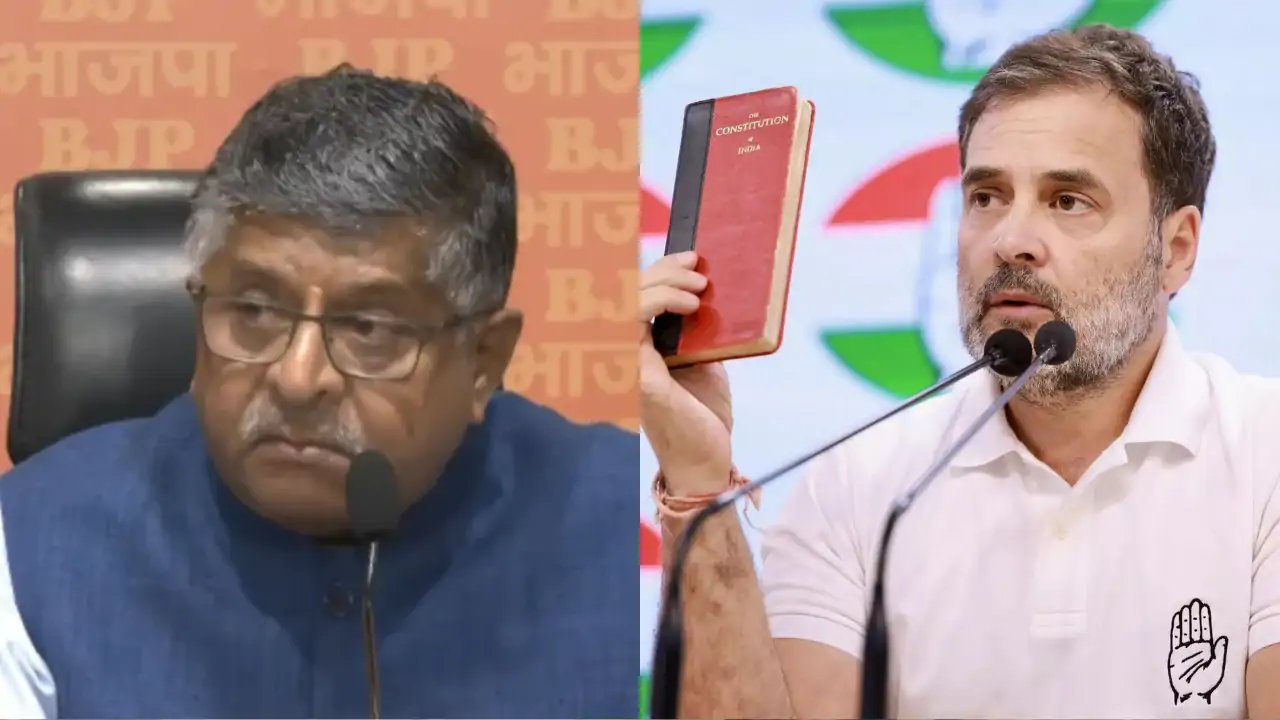
Ravi Shankar Prasad struck first. The BJP MP declared that Indian democracy had successfully thwarted attempts to incite anarchy, insisting the nation would be governed by Parliament, not the streets. He pointed to the party’s electoral wins in Assam, Nandigram, and Puducherry as proof that the opposition’s strategy of weaponizing street demonstrations after defeats is failing.
Nitin Nabin escalated the rhetoric. The BJP national president alleged a coordinated effort to destabilize the country, targeting two specific groups: one led by Rahul Gandhi and the INDIA bloc, and the other involving associates of Arvind Kejriwal. He described this as an “anarchic competition” aimed at disrupting the peace of 1.4 billion people.
Sambit Patra, the party’s national spokesperson, added that the Jantar Mantar protests do not reflect the country’s mood. He characterized the recent unrest in the capital as the doing of “anarchist forces” attempting to create chaos.
The government’s hardline stance clashes sharply with the on-ground reality. Climate activist Sonam Wangchuk called the situation an “undeclared emergency,” criticizing the Delhi Police’s sweeping crackdown that turned the capital into a fortress. He warned he would consider an “Anshan fast” or a “padyatra” march if key figures—including CJP leaders Abhijeet Dipke, Saurav Das, Ashutosh Ranka, CPI(ML) Liberation General Secretary Dipankar Bhattacharya, and YouTuber Dhruv Rathee—are not released by Sunday.
The standoff now hinges on a single deadline. Wangchuk’s threat of a fast on Sunday sets the stage for a potential escalation, forcing the authorities to decide whether to release the detained activists or risk further radicalization of the protest movement.