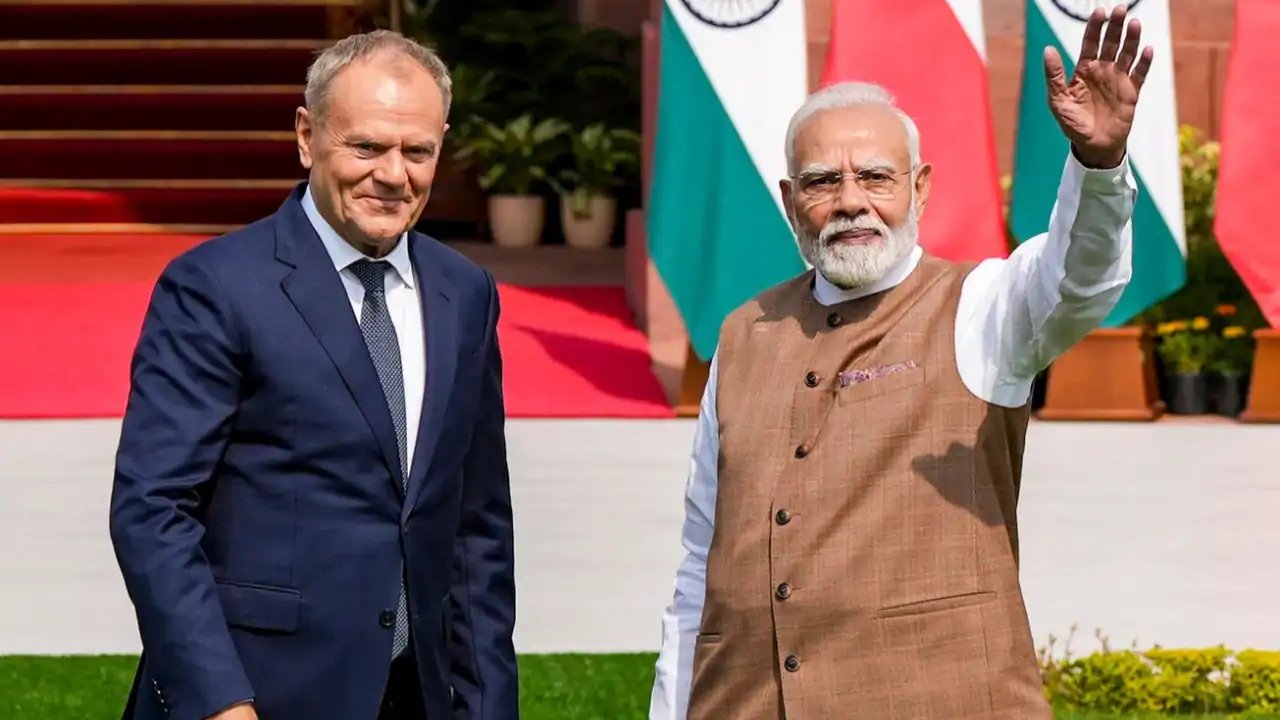
Polish Prime Minister Donald Tusk arrived at Hyderabad House in New Delhi on October 21 with a clear mandate: to upgrade a diplomatic handshake into a hard-nosed economic engine. Tusk did not mince words about the geopolitical landscape. He called PM Modi a "beacon of hope" for a world drowning in instability, framing India's leadership as a stabilizing force in global affairs.
It's a high-profile endorsement. Tusk noted that the two nations share no historical grievances or conflicts of interest, a rarity in modern diplomacy. "We are divided by nothing, maybe by geographic distance," he said. That friction-free foundation allowed the talks to move quickly from pleasantries to production lines.
The real weight lies in the delegation. Tusk brought the largest group of Polish corporate representatives ever to visit India. They are here to lock in deals across coal gasification, shipbuilding, and advanced drone technology. Tusk specifically pointed to Polish drones, claiming their utility in recent crises has made them a prime candidate for joint development with Indian firms.
This visit marks the first major review of the Strategic Partnership established during Modi's trip to Warsaw in August 2024. The two leaders outlined priorities for the coming years, focusing on space and digitalisation. Tusk confirmed that Poland and India will coordinate closely within the G20, aligning their stances on global economic issues.
Tusk departs on October 23. The next step is on the ground: Polish and Indian company representatives are already in parallel meetings to draft the specific contracts that will turn today's "ambitious plans" into shipped goods and shared technology.