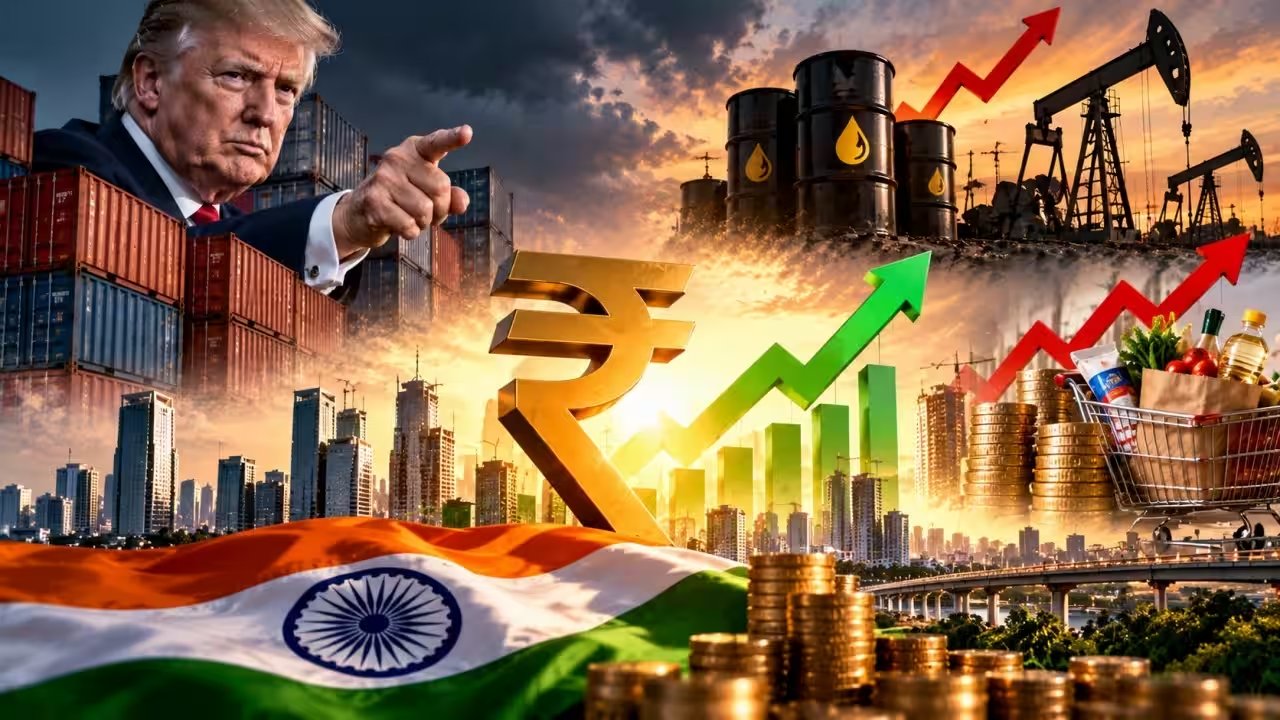
India’s foreign exchange reserves hit a record ₹10.6 trillion in the March quarter, while industrial production grew 3.5% year‑on‑year, according to the Ministry of Finance.
Yet the rupee slid 12% against the dollar in the past six months, and foreign institutional investors have pulled ₹250 billion from domestic equities, a record outflow, analysts say.
The Department of Economic Affairs’ monthly review, released on 28 September 2026, warned that India “cannot afford to rest on its post‑Covid growth laurels” as global oil prices surged past $100 and global bond yields climbed.
EY India chief policy advisor DK Srivastava said the biggest risks are sustained oil price hikes, geopolitical tensions, persistently high global inflation, and tightening global financial conditions that could trigger capital outflows.
The government also flagged the impact of the U.S. Graham Bill, passed by Congress on 15 August 2026, which authorises the President to impose up to 100 % tariffs on imports of Russian crude, potentially redirecting Indian oil purchases.
In response, the RBI is expected to raise the repo rate in the next policy meeting to curb inflation, while the Finance Ministry is exploring measures to mitigate rupee volatility and attract foreign capital.