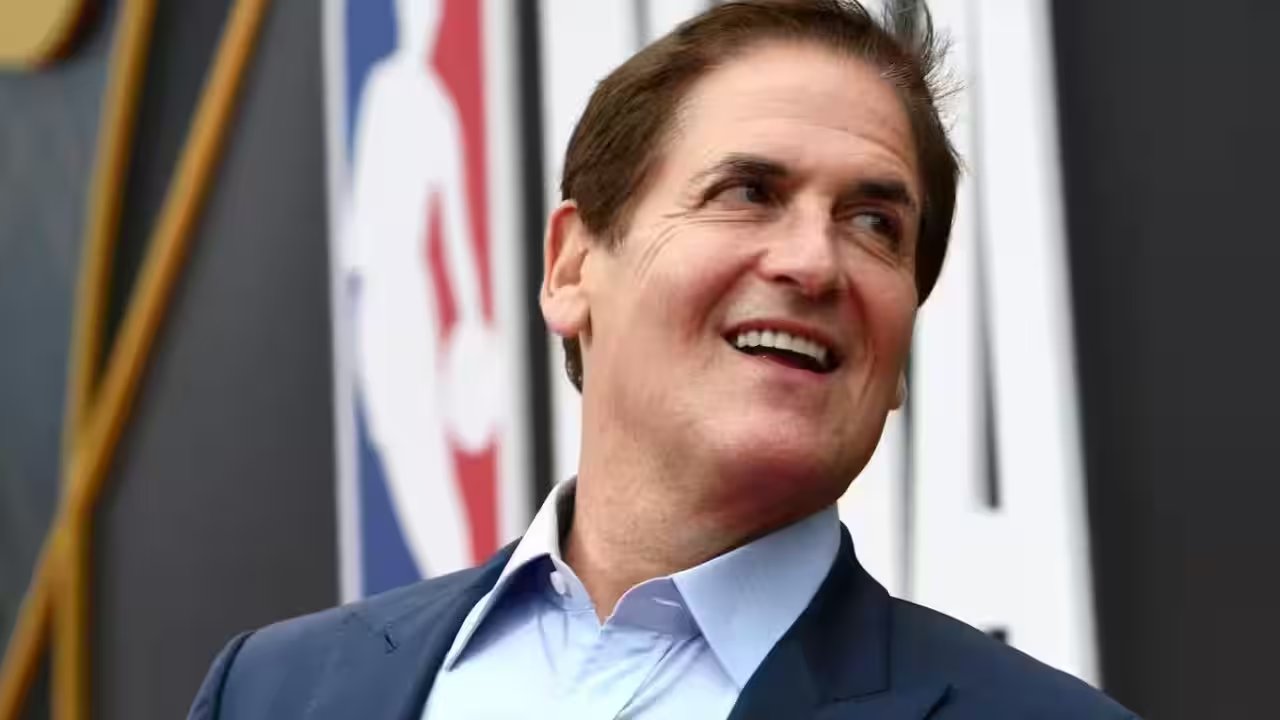
Mark Cuban isn't just sitting on his $6.8 billion war chest. He's dismantling the pharmaceutical pricing model. Cost Plus Drugs, launched in January 2022, operates on a radical premise: transparency. Instead of the convoluted web of insurance negotiations and wholesaler markups that plagues American medicine, Cuban’s company adds a flat 15% to the cost of a drug, plus pharmacy labor and shipping.
It’s a stark contrast to his 1999 windfall, when Yahoo paid $5.7 billion for his Broadcast.com venture. That dot-com era deal made him rich, but it didn’t solve a structural problem. This one does. By stripping away the middlemen, Cuban and co-founder Alex Oshmyansky are forcing the industry to justify its margins. The model is simple. You see what the drug costs. You pay a known premium. No guesswork.
The timing is aggressive. Forbes notes that Cuban sold a 58% stake in the Dallas Mavericks in December 2023 for roughly $2 billion. He has the capital to sustain this price war. But the real leverage is the data. By publishing their costs, they hold a mirror up to the traditional supply chain, exposing the gap between manufacturer cost and patient price.
Critics argue a 15% markup is still high, but compared to the 30-50% margins often hidden in standard pharmacy contracts, it’s a significant cut. The strategy relies on volume. If enough patients bypass their insurance and buy direct, the pressure on incumbents becomes undeniable. NewPARA What happens next depends on adoption. If major insurers start matching these prices, the model fails. If they don’t, Cuban has created a permanent undercurrent of low-cost options that could reshape the market. The next move likely comes from big pharma, who may tighten distribution to protect their margins. But Cuban has played this game before. He’s not afraid of a fight.