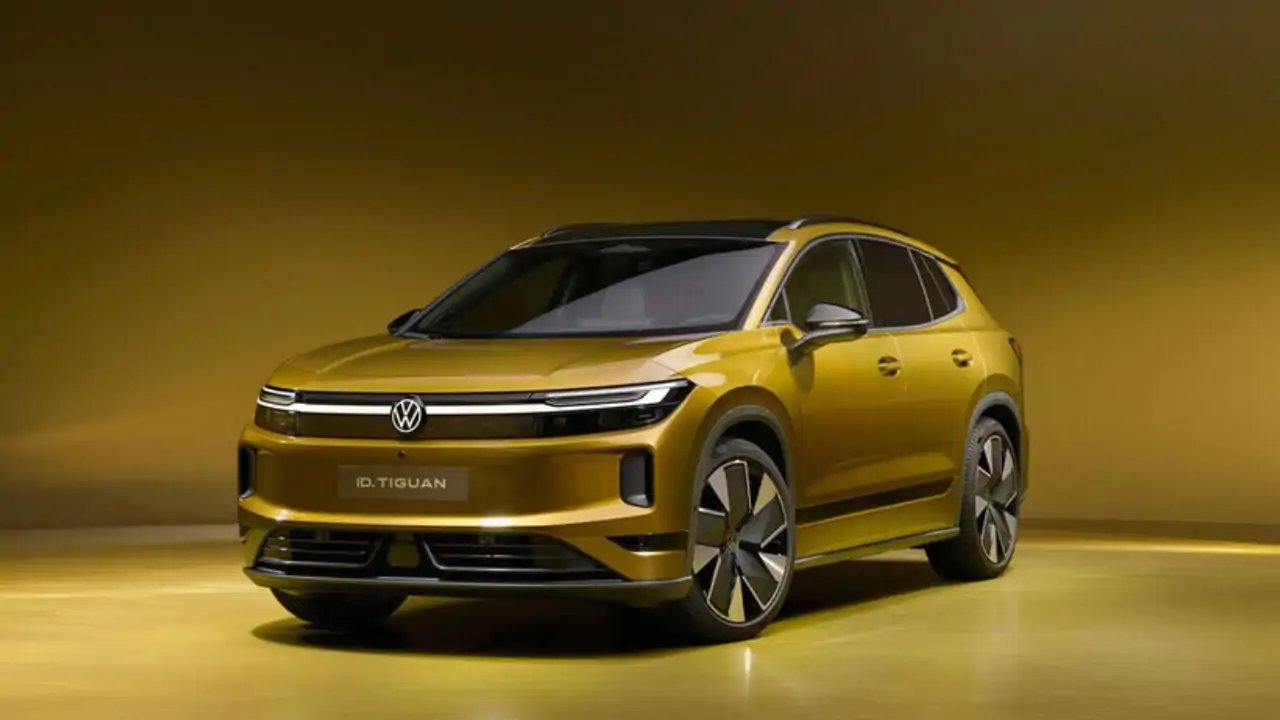
If you’re hunting for a mid‑size EV, the ID. Tiguan gives you a €42,695 price tag for a 600‑km WLTP range, with two battery choices: a 58‑kWh pack that puts 190 hp at the rear wheels, and a 77‑kWh pack that delivers 286 hp (RWD) or 299 hp (AWD). The larger battery also lifts the towing capacity to 2,000 kg from 1,800 kg, and the boot can hold up to 534 litres – handy for road trips or hauling.
In the crowded electric SUV segment, the ID. Tiguan sits between the Tesla Model Y – €53k for 530 km – and the Mercedes EQB, which starts at €48k and clocks 450 km. Hyundai’s Ioniq 5 is a close third, priced similarly but with a slightly lower range. For buyers who value a European design language, the Tiguan’s Pure Positive styling and aerodynamic alloy wheels add a distinct look without inflating the price.
Inside, the cabin feels more like a tech hub than a showroom. A 10‑inch digital instrument cluster sits above a 15‑inch central screen, and for the first time on a VW, an optional 12‑inch passenger display offers entertainment without driver distraction. One‑pedal driving is standard, and the connected travel assist can change lanes on the motorway and stop automatically at red lights – a useful safety net for long drives.
Pre‑sales open on 13 Oct 2026 across Germany and other European markets, with deliveries slated for early 2027. If you’re in India, keep an eye on import duties that could push the price higher; the European launch price is a baseline for what importers will negotiate. For those waiting on a mid‑size EV that balances cost, range, and practicality, the ID. Tiguan should hit the road before the end of the year, offering a clear alternative to the current market leaders.