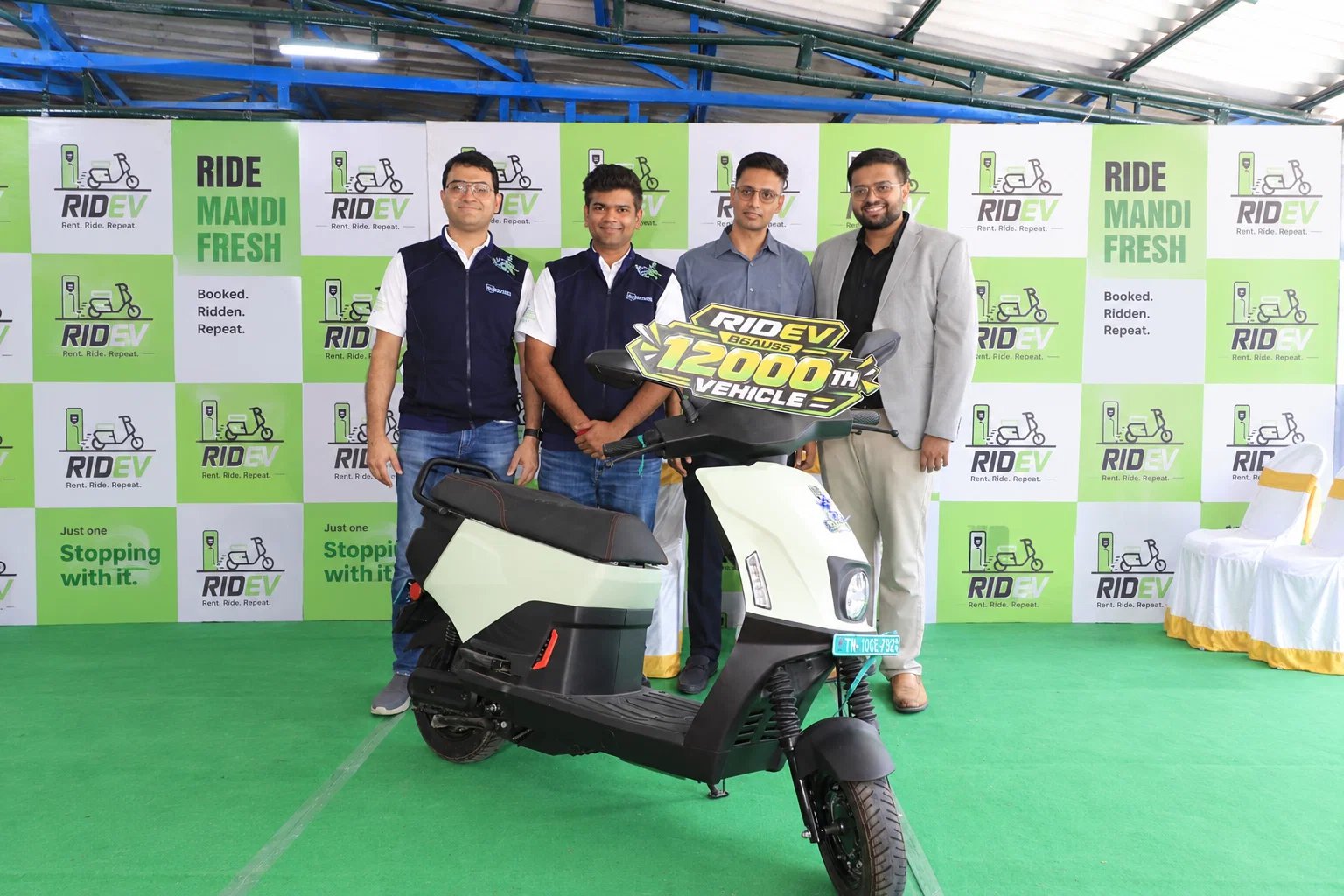
For the delivery rider grinding through Chennai traffic, the math is getting harder. Buying a new electric scooter isn't just about the sticker price; it's about the risk. If the battery dies, the bike breaks, or the AC fails, that's income lost. RIDEV is betting that riders want access, not assets. By opening their 16th hub in the city, they’re pushing their fleet past 12,000 electric two-wheelers, a number that signals serious scale in a market still dominated by fragmented rental agencies.
The model is straightforward but operationally heavy. Riders don't buy the bike. They rent it. In exchange, RIDEV absorbs the headaches: battery swapping, servicing, insurance, and roadside assistance are all bundled in. No extra charges for a flat tire or a dead cell. This shifts the burden from the individual rider to the platform. It’s a direct counter to the traditional 'buy-and-pray' approach where a ₹1.5 lakh scooter becomes a liability the moment it needs a ₹5,000 repair.
Getting from 10 bikes in April 2024 to 12,000 is a steep climb. It required building in-house tech to manage fleet deployment and rider activity, not just buying hardware. CEO Manish Kumar Jain frames it as 'access over ownership,' which is a smart pitch for the gig economy. But the real test is uptime. If RIDEV can keep these 12,000 bikes running with minimal downtime, they lock in a captive workforce that doesn't want to deal with the hassle of vehicle maintenance. The presence of BGauss founder Hemant Kabra as chief guest hints at the battery infrastructure partnerships keeping this whole machine fueled.
The next phase is expansion. RIDEV isn't slowing down; they’re planning to grow the hub network across key markets. For buyers in the EV space, watch this space. If fleet operators like RIDEV prove that rental is more profitable for riders than ownership, it could reshape how we think about two-wheeler adoption in India. The Chennai hub is just the latest stop on that route.