Senator John Smith, a Republican from Texas, introduced the Oil‑Sanctions Enforcement Act on June 5, 2026, which would impose 100% tariffs on any country that continues to import Russian crude.
CREA data shows China accounted for 35.3% of Russia's fossil‑fuel export earnings from January 2023, while India captured 20.2% and Turkey 13.8%, pushing Russia's earnings into a new buyer mix after Europe stepped back.
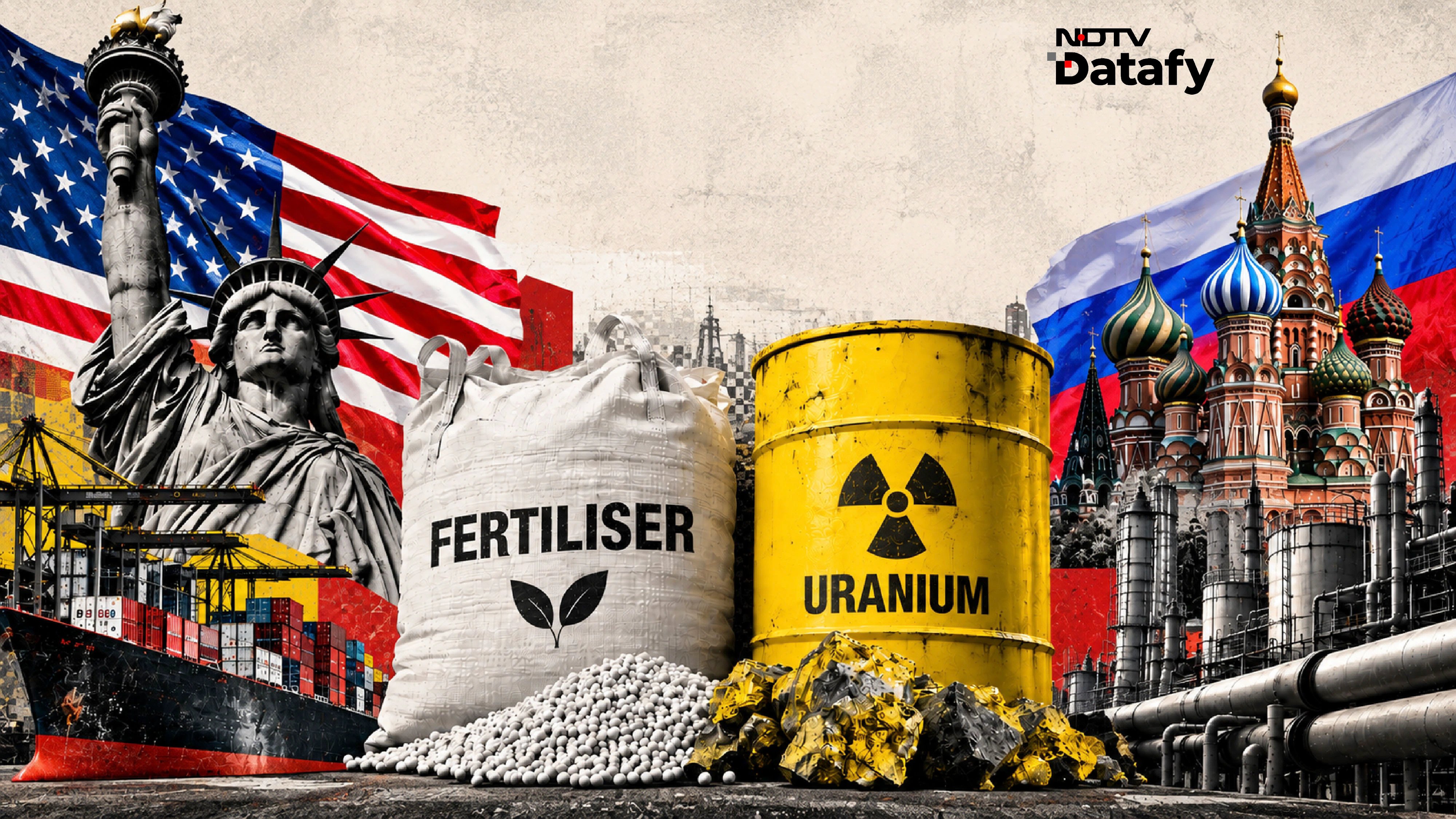
Meanwhile, the US Energy Information Administration reports that Russian enrichment services supplied 33.6% of all foreign services for American nuclear reactors in 2025, a figure that rose from 27.9% in 2023 and remains a critical link for the nation's energy grid.
In a parallel shift, the USDA Fertiliser Dashboard indicates Russia supplied 27% of US nitrogen fertiliser imports in 2026, up from 16.4% in 2019, underscoring a growing reliance on Moscow's agricultural inputs.
For farmers in Punjab, the price hike means the cost of urea has climbed 20% this year, while an engineer at the Palo Verde nuclear plant in Arizona said the dependence on Russian enrichment adds a layer of operational risk.
The bill will now move to the Senate Commerce Committee, where lawmakers are expected to debate its scope and enforcement mechanisms by early July.