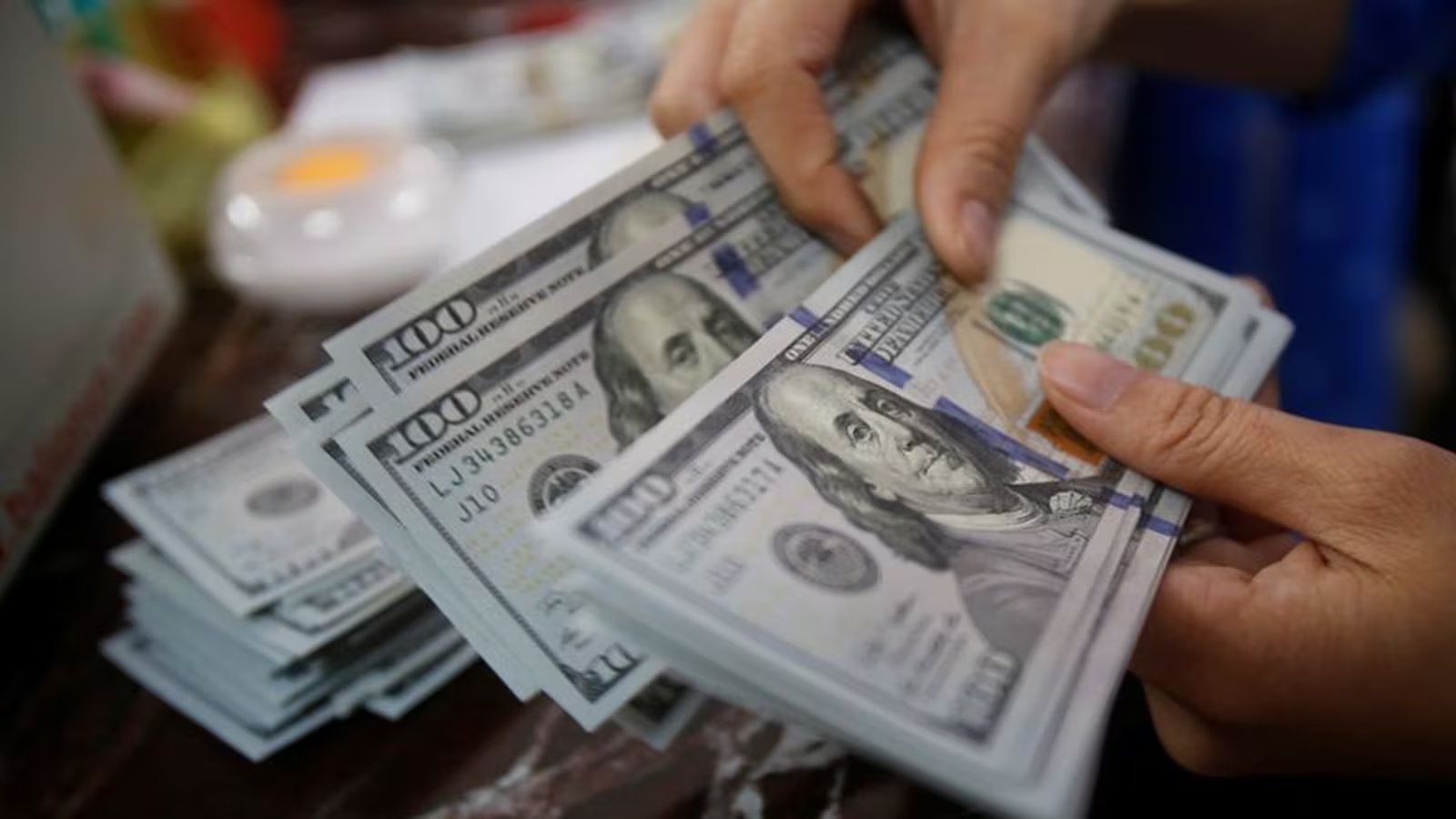
The greenback pushed past its 16‑month high, trading at $1.1312 to the euro and $0.834 to the Swiss franc, as the 10‑year Treasury yield edged above 5%, settling at 5.01% after peaking at 5.09%.
The Australian dollar weakened, slipping to its lowest in nearly two months at 0.6989 after the Reserve Bank of Australia nudged its cash rate to a 15‑year high of 4.60%. Meanwhile, the yen held steady at 157.30 per dollar amid speculation of a coordinated intervention by Tokyo and Washington.
Brent crude futures fell 2.56%, closing at $102.59 a barrel, but remain above the $100 threshold as Middle East tensions keep supply disruptions in the back‑seat. Saudi Arabia’s resumption of oil loadings from Yanbu has added a glimmer to the market’s supply outlook.
Investors are eyeing next week’s Personal Consumption Expenditures index and September’s non‑farm payrolls, both of which could sway the Fed’s stance. Fed Governor Michael Barr’s recent remarks have nudged market expectations for a subsequent rate hike, yet futures now price only a 52% chance of a move at the next policy meeting, down from 70% yesterday.
The dollar index, a composite of major currencies, climbed to 101.40, its highest since July 28, reflecting the widening rate differential between the United States and its peers. Traders remain split on whether the current yield trajectory will sustain the dollar’s momentum or if a pullback could hint at a softer Fed stance.