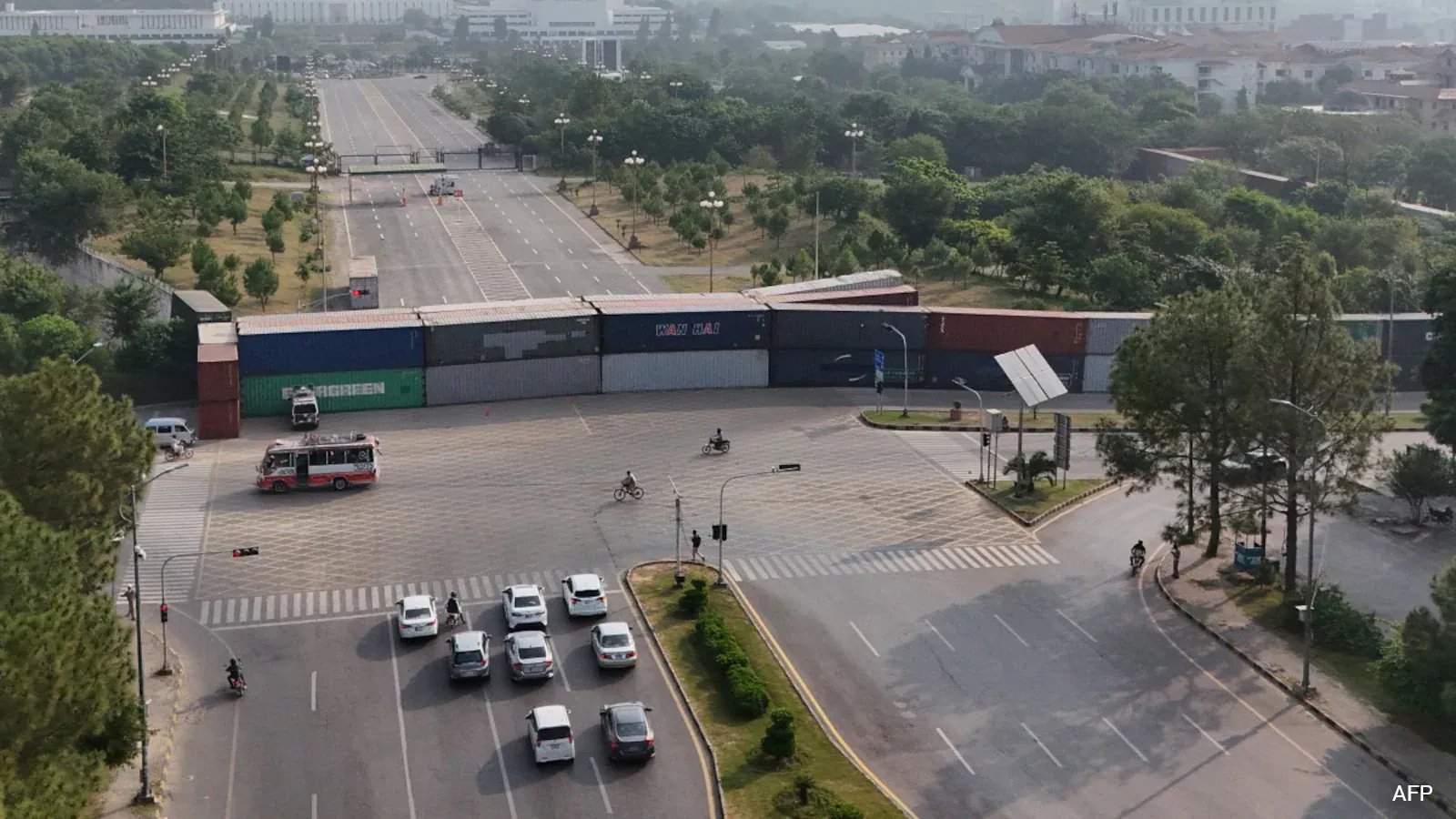
Pakistan’s Interior Ministry rolled out 22,000 security personnel across Islamabad on Sunday, converting the capital into a fortified perimeter with 1,000 shipping‑container barricades blocking key highways. The move is aimed at stopping a PTI‑organized march that would have demanded the release of former Prime Minister Imran Khan, who is serving a 14‑year sentence in a corruption case.
Khan’s Pakistan Tehreek‑e‑Insaf, still in opposition, insists the protest is a right to peaceful assembly. PTI Chairman Gohar Ali Khan warned that the march would turn into a “festive atmosphere” with Pakistani flags everywhere, yet authorities argue the demonstration could cripple transport and business in an already fragile economy.
Interior Minister Mohsin Naqvi declared that the protest would not bring the country to a standstill and that Section 144 would be enforced for two months, banning gatherings of five or more people. The government has also closed major highways into the capital, including routes to Khyber Pakhtunkhwa, and is considering a mobile and internet shutdown.
The International Monetary Fund, which is reviewing Pakistan’s $7 billion bailout program, arrived in Karachi this week and is slated to travel to Islamabad next Monday. The trip will continue only if the capital’s security situation normalises, according to officials. The presence of over 22,000 troops and extensive roadblockage signals a hard‑line stance that may delay the IMF talks.
For residents, the barricades mean long waits at checkpoints and a halt to routine commutes. A PTI supporter in Rawalpindi recalled standing in line for hours before being turned back by a guard, a scene that underscores the human cost of the crackdown.