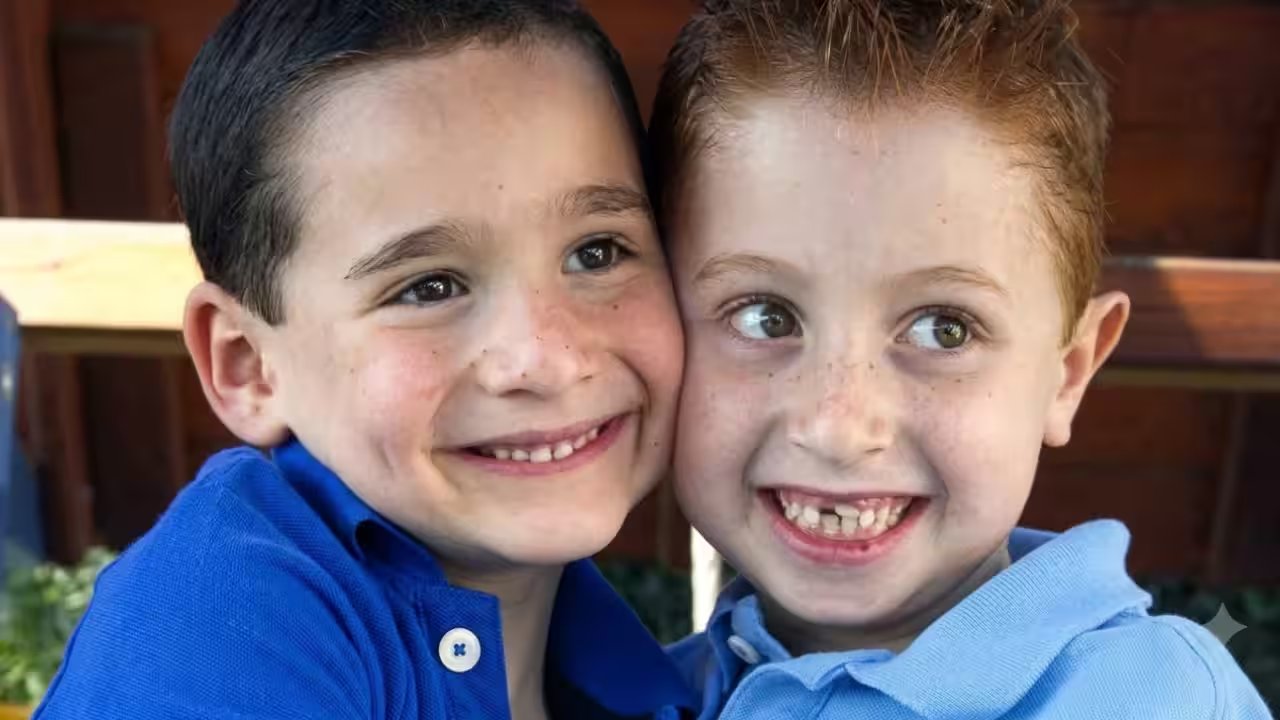
A 6‑year‑old boy from Los Angeles, Dylan Siegel, sold a 14‑page illustrated booklet called Chocolate Bar and matching chocolate bars for $20 and $5 each, respectively, and by December 2014 the project had raised $1 million for research into glycogen storage disease type 1B (GSD 1B). The book’s simple tagline—things Dylan liked were “Chocolate Bar”—made the fundraiser approachable for family, friends and schoolmates, and its success spurred media coverage that amplified its reach.
GSD 1B is one of 14 glycogen storage disorders that interfere with the body’s ability to break down glycogen, the stored form of glucose, into usable energy. In the United States fewer than 100 cases had been identified by early 2013, and the condition can cause low blood sugar, low white‑blood‑cell counts, severe diarrhea, and night sweats from birth. Dr. David A. Weinstein, a paediatric endocrinologist at the University of Florida, explained that patients often need to travel for specialised treatment because the disease affects liver enzyme pathways.
The standard treatment for GSD 1B is a continuous supply of cornstarch, usually delivered through a surgically implanted feeding tube every three to four hours, even during sleep. Jonah Pournazarian’s mother, Lora, described their routine as “We live by the clock,” noting that two alarm clocks in the bedroom set for 3 a.m. helped them meet the timing demands. Missing a dose can trigger a rapid drop in blood sugar and, in severe cases, hospitalisation or death.
Community‑driven projects like Dylan’s highlight how early diagnosis and consistent therapy can change life trajectories for children with metabolic disorders. For families facing a GSD diagnosis, regular monitoring, adherence to cornstarch schedules, and support from local groups can improve outcomes. If you or a loved one is experiencing unexplained low blood sugar or digestive issues, consult a paediatrician or metabolic specialist to explore whether a glycogen storage disorder may be the underlying cause.