A recent study by the EU's Copernicus Climate Atmosphere Monitoring Service (CAMS) revealed that a staggering 34% of the world's people inhaled ozone concentrations that far exceed WHO guidelines between January and September 2026.
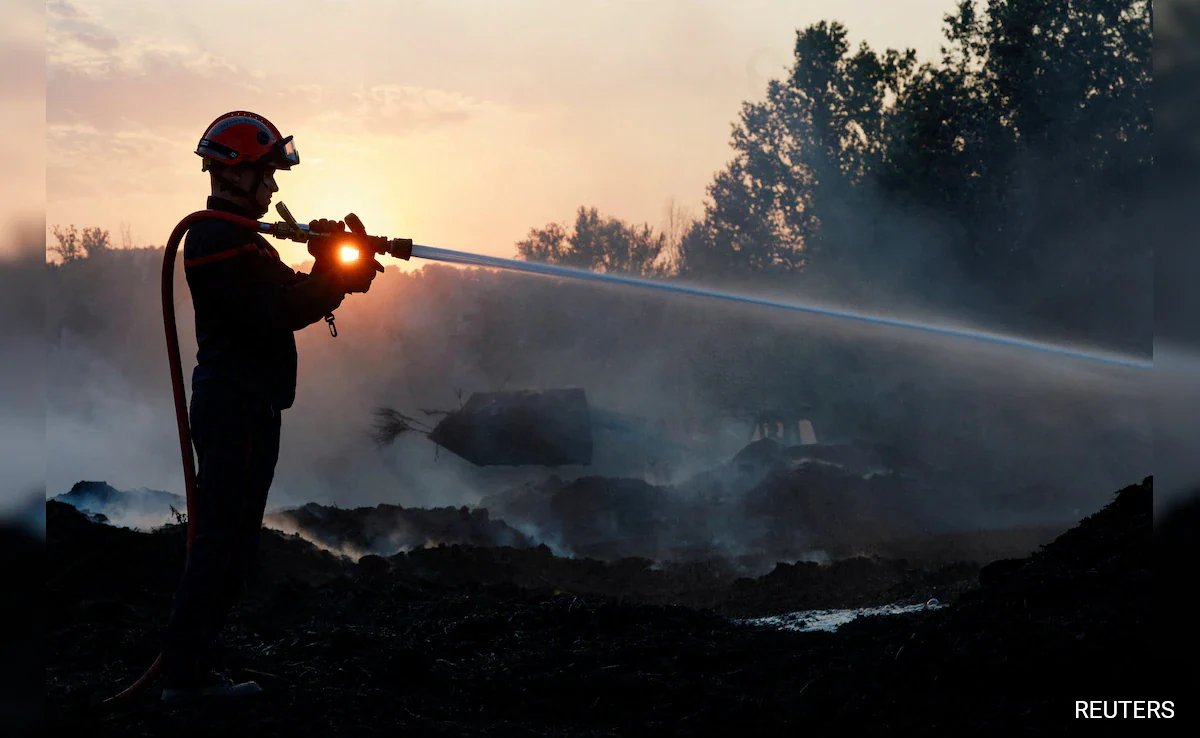
Ozone forms when heat and sunlight react with pollutants like vehicle exhaust and wildfire smoke, creating a toxic mix that can damage lung tissue, trigger asthma attacks, and contribute to heart disease.
Asia carries the heaviest burden, with 53% of its population breathing "extremely poor" ozone. Major Indian cities—Delhi, Dhaka, Chongqing, Lahore—rank among the worst, while Europe and North America also face high exposure rates.
The health toll is sobering: in Europe alone, ozone is linked to about 60,000 premature deaths each year, and similar patterns are emerging worldwide, especially in urban centers.
For everyday people, the takeaway is simple. Check local air quality indices, avoid outdoor exercise when ozone peaks, keep windows closed, use HEPA filters, and wear N95 masks if you must go outside.