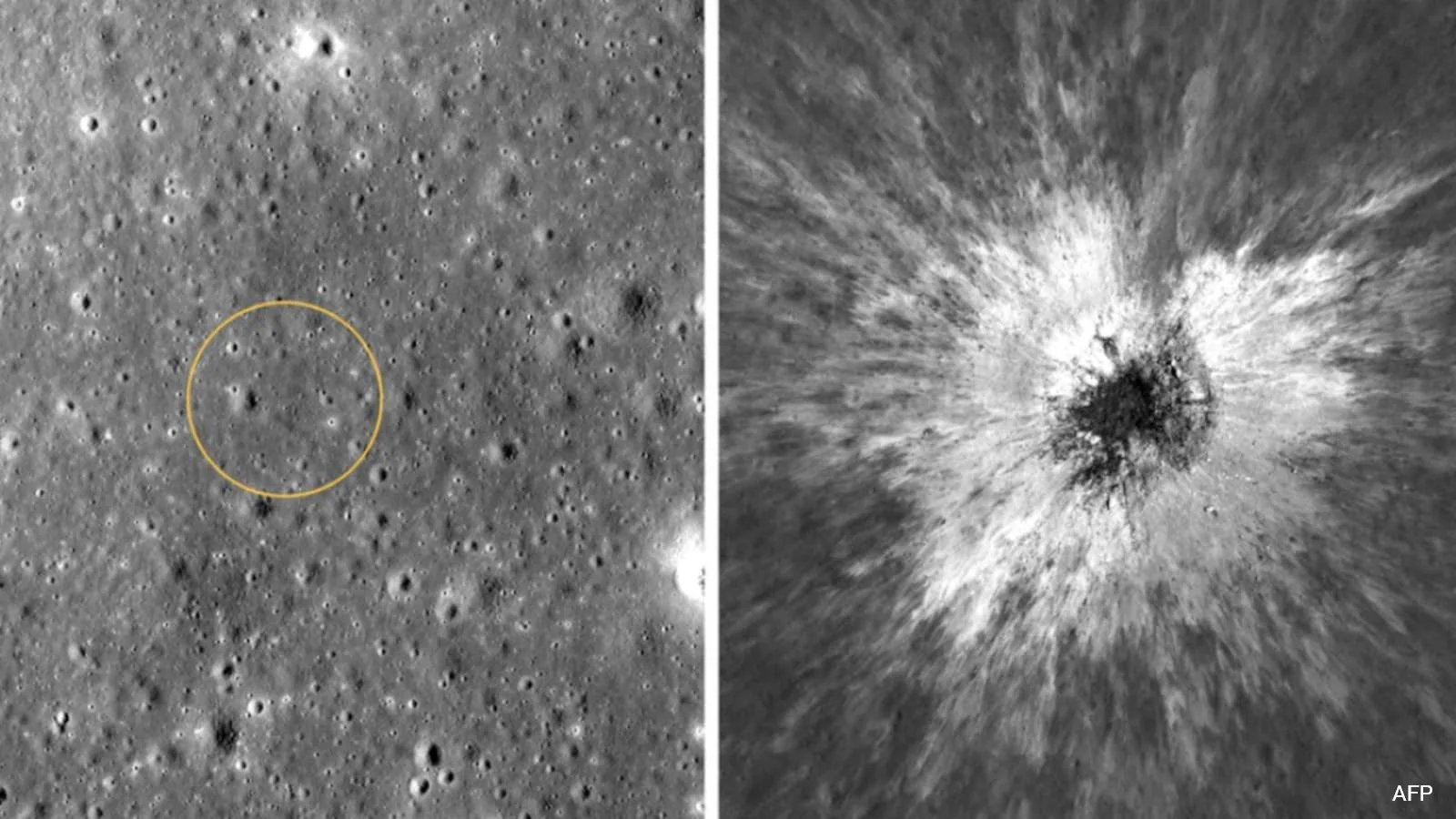
NASA confirmed the existence of a 728-foot-wide crater on the moon’s near side, the result of a massive asteroid impact in May 2024 that slipped past every Earth-based telescope. Mark Robinson, chief scientist for the Lunar Reconnaissance Orbiter (LRO) at Intuitive Machines, called the event a "statistically rare, effectively once-in-a-lifetime observation." The discovery, published Wednesday in Science Advances, reveals a hole 141 feet deep—wider than the Roman Colosseum—that escaped real-time detection until LRO wide-angle images were reviewed in August 2025.
The impact, named for the late Thomas McGetchin, former director of the Lunar and Planetary Institute, is three times larger than the previous record-holder. Such a collision is estimated to occur only once every 132 years. The force churned the lunar surface for more than 66 miles, hurling dust and rocky soil at angles higher than models predicted. This data reshapes our understanding of the moon's geology; the top inch of lunar soil is being overturned by ejected material every 80,000 years, a cycle far faster than previous estimates suggested.
David Paige, co-author of a separate study and a professor at UCLA, described the process as "gardening the regolith." The impact loosened the topsoil, creating a 4-mile-wide cold spot where subsurface material was exposed. This mechanical churning means that even the famous footprints left by Apollo astronauts are already gone, Robinson noted. The moon is not a static museum; it is an active, shifting landscape.
The practical implication for astronauts is significant. NASA is currently preparing to build a permanent base on the moon. Engineers will use the McGetchin crater data to calculate the risk of ejected debris striking future habitats. That information will help harden structures so they won't have to worry about damage from similar, albeit smaller, future impacts.