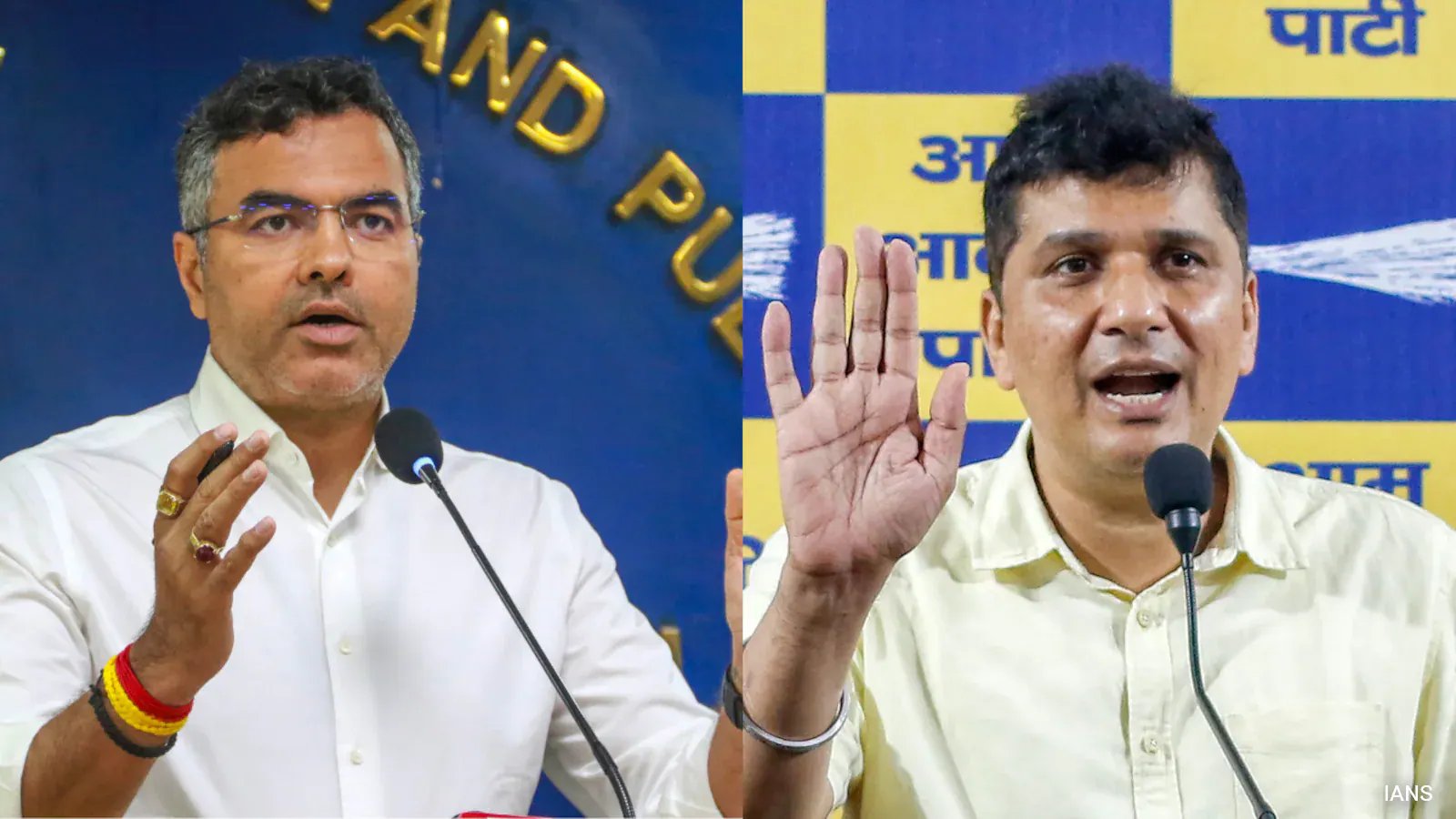
The Delhi High Court, in a 12‑page order, declared that Saurabh Bhardwaj’s X posts were questions aimed at scrutinising government policy, not defamatory statements. The court emphasized that a public representative’s right to question is protected by the Constitution and that defamation requires false statements made with malice.
Parvesh Verma, the deputy chief minister, had accused Bhardwaj of spreading insinuations of corruption, nepotism and misuse of influence in a POCSO case. He also alleged that Bhardwaj had attacked Verma’s school trust appointments and personal associations. “The allegations are unverified and politically motivated,” Verma had said in his complaint.
In its judgment, the court noted that Bhardwaj, as the official spokesperson of the opposition Aam Aadmi Party, owes the public a duty to question the ruling party’s actions. “Any contrary view is part of democratic oversight, not defamation,” the judge wrote. The court further warned that litigants who misrepresent facts violate the court’s trust.
The AAP spokesperson welcomed the decision, stating that it reaffirms the party’s role as a watchdog and protects the right of opposition leaders to hold the government accountable. Bhardwaj, for his part, said he will continue to use his platform to question policies.
With the case dismissed, Bhardwaj faces no immediate legal barrier to his parliamentary questioning role. The decision may influence how future defamation complaints against politicians are handled in Delhi courts.