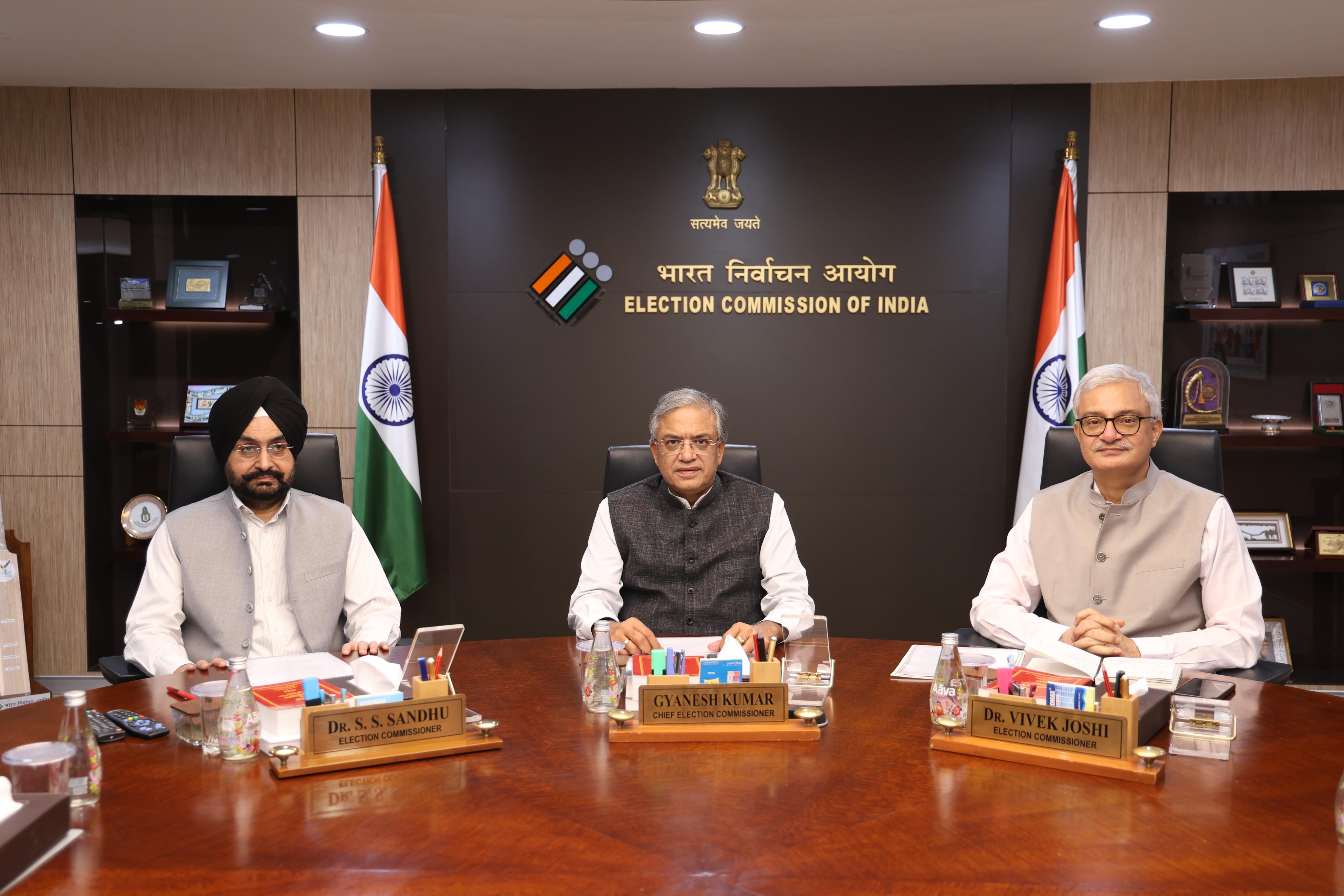
The meeting, held in the EC’s Nirvachan Sadan, was prompted by a media report that Sandhu and Joshi had publicly challenged several SIR‑related decisions, including changes to Form 6, the ECINET portal and work‑redistribution orders. The press release, issued Saturday, denied that the objections had altered the commission’s direction and asserted that internal disagreements are part of its democratic functioning.
In its point‑by‑point clarification, the EC confirmed that the new Form 6 declaration, which asks prospective voters to map themselves to the previous SIR via their parents’ names, was upheld by the Supreme Court and will remain in use only during the SIR period. It also explained that field officers have role‑based access to ECINET, and a review committee led by a Senior Deputy Election Commissioner will oversee future IT modules.
The commission addressed a letter sent to the Cabinet Secretary regarding the redistribution of an officer on deputation, stating that the order was not policy‑related and that the IT division oversight by a Deputy Election Commissioner had never been withdrawn.
The SIR order, issued on June 24 2025, was reaffirmed as having been approved unanimously by the full commission, and subsequent schedules were likewise passed without dissent. The EC also highlighted the case of 97 voters in Goa who were omitted from the rolls, noting that 81 had already submitted Form 6 after a directive from the Goa Chief Electoral Officer.
To strengthen internal processes, the commission will now circulate agendas in advance and publish minutes, and will enforce strict compliance with commissioners’ directives. The deadline for filing objections in Delhi under the SIR was extended to October 30, with disposal by November 30; in Maharashtra, the deadlines were moved to October 12 and November 10.
Opposition parties have seized the controversy to demand Gyanesh Kumar’s removal, linking the dispute to broader calls for greater transparency in the poll panel. The EC’s latest statement draws a clear line between internal deliberations and formal decisions, underscoring that all major actions, including the SIR, were taken collectively and unanimously.