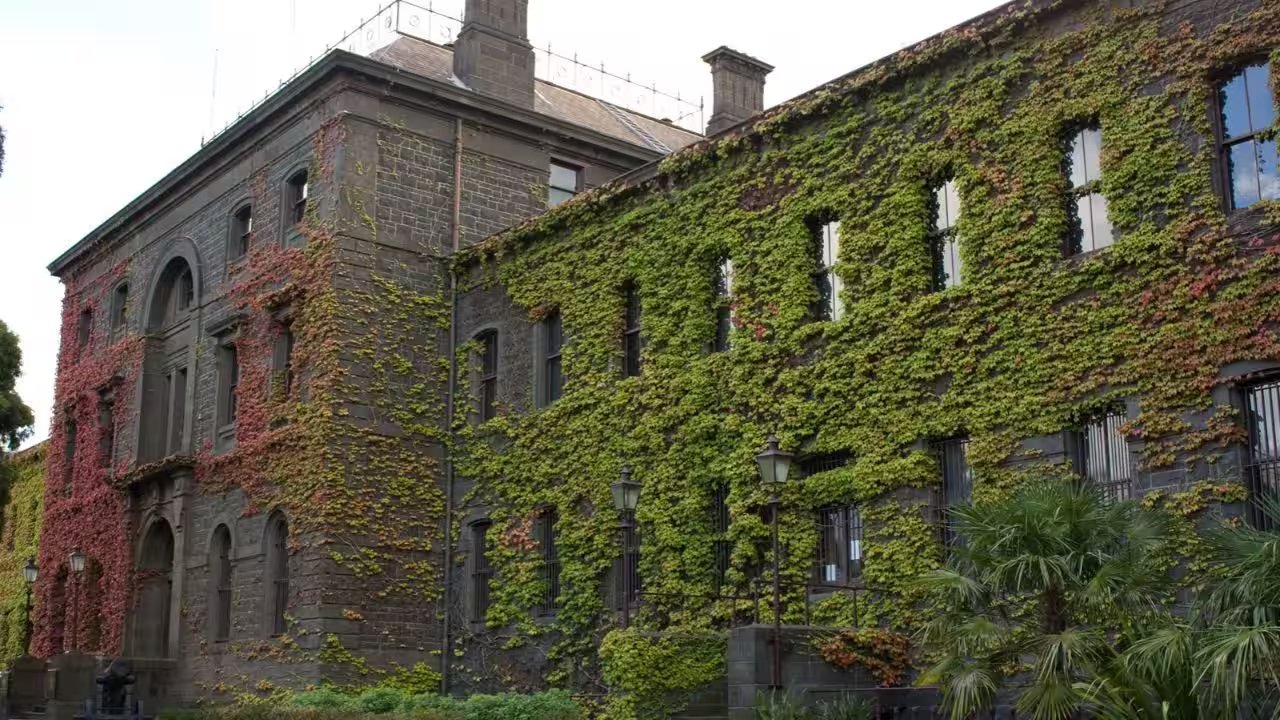
CANBERRA — Prime Minister Anthony Albanese halted the contentious sale of four crown military heritage properties on Sunday, backing down after intense public opposition threatened to derail a multi-billion-dollar defence estate overhaul.
Public outrage forced the retreat. Under a sweeping independent review of Defence properties, Canberra had initially earmarked 67 operational bases and installations for full or partial divestment to raise between $1.8 billion and $3 billion for frontline weapons modernisation. But on 8 November 2026, Albanese and Deputy Prime Minister Richard Marles confirmed that Sydney's 166-year-old Victoria Barracks along with three other storied Victorian cantonments will remain permanently in public hands.
"Victoria Barracks Sydney has a special place in our nation's history, and we will be keeping it in public hands," Albanese said in an official statement released by the Prime Minister's office. Constructed by convict labour and stonemasons between 1841 and 1848 in Paddington, the sandstone fortress stands as one of Australia’s pre-eminent specimens of colonial British military architecture. Most Sydneysiders, Albanese observed, had never set foot inside the guarded perimeter—an exclusion the Commonwealth now intends to reverse by opening large tracts of the estate to civic tours and historical exhibitions in partnership with the Australian War Memorial.
The reprieve shields four foundational installations across New South Wales and Victoria, while leaving commercial and community repurposing on the table:
| Military Property | Location | Heritage Status & Commonwealth Mandate | Current Action |
|---|---|---|---|
| Victoria Barracks | Paddington, Sydney (NSW) | 1840s Sandstone Garrison; British Colonial Architecture | Spared; opening to public access with War Memorial |
| Victoria Barracks | Melbourne (VIC) | Historic Military Command Headquarters | Retained in public hands; commercial/heritage re-use |
| Fort Queenscliff | Queenscliff (VIC) | 19th-Century Coastal Artillery Fortification | Spared from private sale; heritage preservation |
| RAAF Williams | Point Cook (VIC) | Birthplace of Australian Military Aviation | Retained under Commonwealth ownership |
Yet the broader divestment apparatus will proceed. Dozens of under-utilised operational bases across the country face impending liquidation as the Defence Department works to curb runaway real estate overheads. Every dollar wasted on empty parade grounds, Marles argued, drains frontline deterrence.
"Given the strategic landscape we face, we cannot afford to be wasting money," Marles said in a joint statement. "Every person who wears our nation's uniform matters. Every hour they spend in it counts, and every dollar which resources them is precious."
Portions of the remaining rationalisation package involve direct transfers to regional authorities and Traditional Owners rather than private property developers. In the Northern Territory, the Commonwealth confirmed it will return sections of the Stokes Hill Fuel Installation to the Larrakia people, returning land formally registered as sacred under Northern Territory law. Further north, the Kowandi North base in Darwin will be reassigned to alleviate urgent local housing shortages. In New South Wales, the Defence Department will excise the Angophora Forest corridor from the HMAS Penguin naval footprint, placing the woodland under the perpetual stewardship of the Sydney Harbour Federation Trust.
Defence officials will now draft masterplans alongside heritage architects and the Australian War Memorial to determine which secure zones can safely accommodate civilian access before year-end.