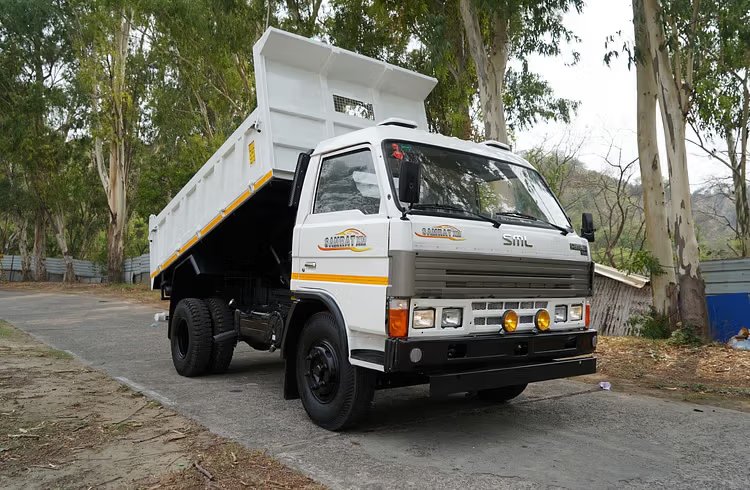
SML Mahindra’s Q2FY27 net profit slipped 44.4% to ₹11.70 crore, a sharp contrast to the ₹21.05 crore it earned a year earlier. The drop reflects a tougher cost environment that even the biggest players are feeling.
Revenue from operations leapt 20.7% year‑on‑year to ₹669.79 crore, up from ₹555.11 crore. But total expenses surged to ₹655.54 crore from ₹528.95 crore a year ago, largely due to higher raw‑material costs. The result is that profit margins are shrinking even as sales climb.
For the first half of FY27, consolidated revenue hit ₹1,627.33 crore versus ₹1,401.00 crore in H1 FY26. Net profit for the six‑month period slipped 14.4% to ₹75.32 crore from ₹88.01 crore. The pattern mirrors what we’ve seen in other manufacturers: revenue growth is outpacing margin expansion.
For buyers, the headline number is a cue that the cost‑pressure wave is not limited to SUVs or pickups. The tariff on imported steel and aluminium, coupled with a volatile global supply chain, is creeping into every price tag. If the trend continues, we might see incremental hikes in the price of new cars, especially in the premium segment.
Industry watchers should also note how this fits into the larger EV push. The government’s EV mandate and duty‑free incentives on batteries are designed to offset such cost shocks, but the net effect on the retail price remains uncertain. In the coming months, keep an eye on how Mahindra’s flagship models—like the XUV700 and the Thar EV—adjust their pricing and whether they can still offer a price‑competitive edge.
Looking ahead, the market will be watching the next financial quarter for signs of cost containment, as well as any policy tweaks that could ease the raw‑material glut. For now, the takeaway is clear: rising costs are tightening margins across the board, and consumers may feel the pinch when buying the next vehicle.