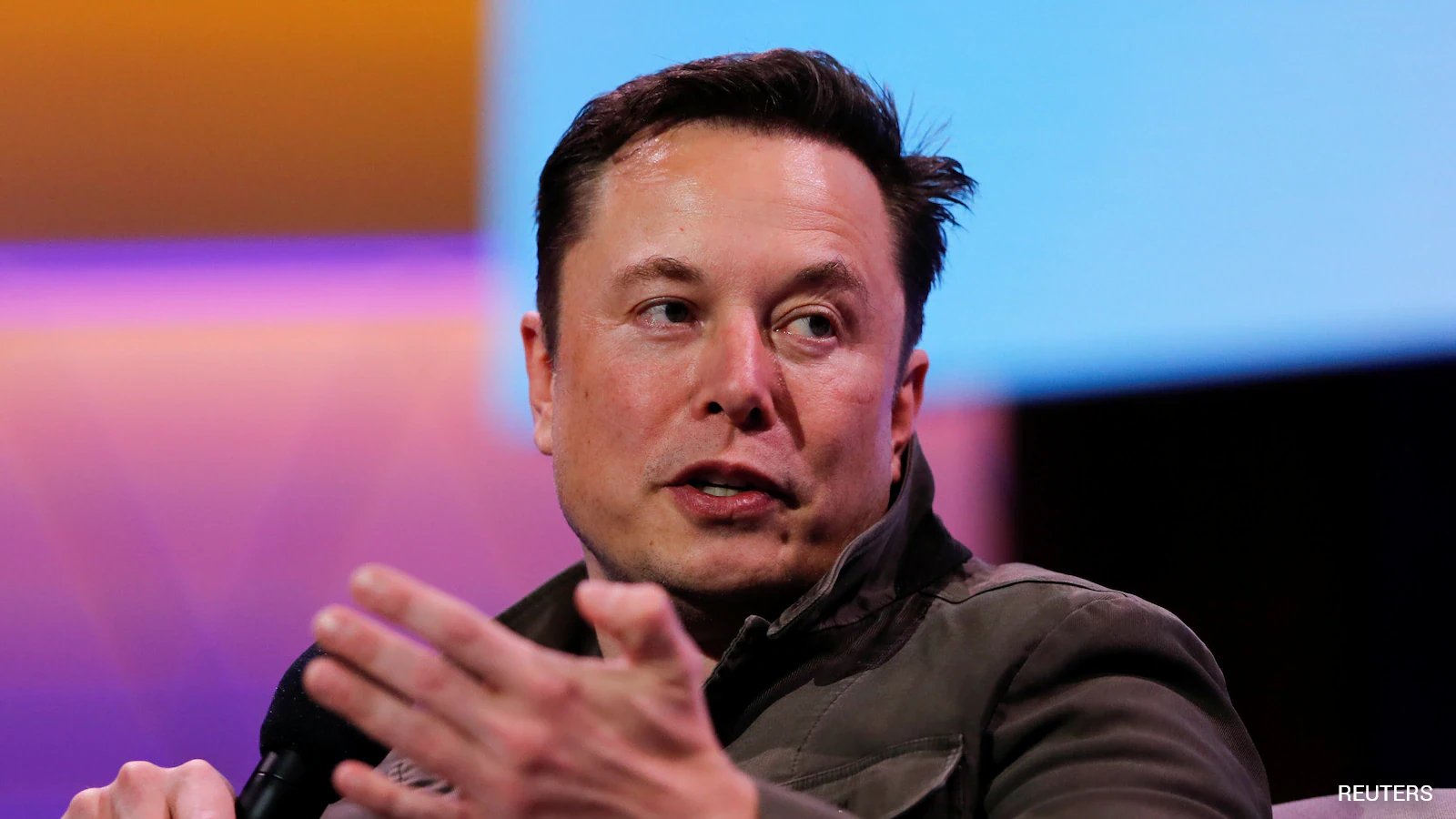
Musk amplified his criticism of Ambani by posting screenshots of Al Jazeera and Indian Express reports that highlighted a Reliance‑funded firm’s role in BJP digital campaigns and a Rs 385 crore donation to the party—an accusation that stokes fresh debate on political influence. But the post came amid Musk’s public dispute over the sluggish rollout of Starlink satellite broadband in India, a project that has been delayed for months and has left many rural areas without internet access, denying children education and small businesses a chance to reach global markets.
Reliance has yet to comment on the allegations, and the government maintains that the country’s telecom licensing framework is fair and non‑discriminatory—a stance that underscores the tension between private influence and public policy.
At this week’s India Mobile Congress, Akash Ambani declined to comment on the satellite‑communications debate, while Communications Minister Jyotiraditya Scindia reiterated that India does not allow monopolies and that three entities—Musk’s Starlink, Jio Satcom, and Eutelsat OneWeb—have licences.
Scindia said the telecom ministry is close to finalising a pricing regime for satellite spectrum, a decision that will determine when the licensed operators can commence services.
The next step will see the ministry announcing the spectrum pricing by the end of the month, with all stakeholders awaiting the decision.