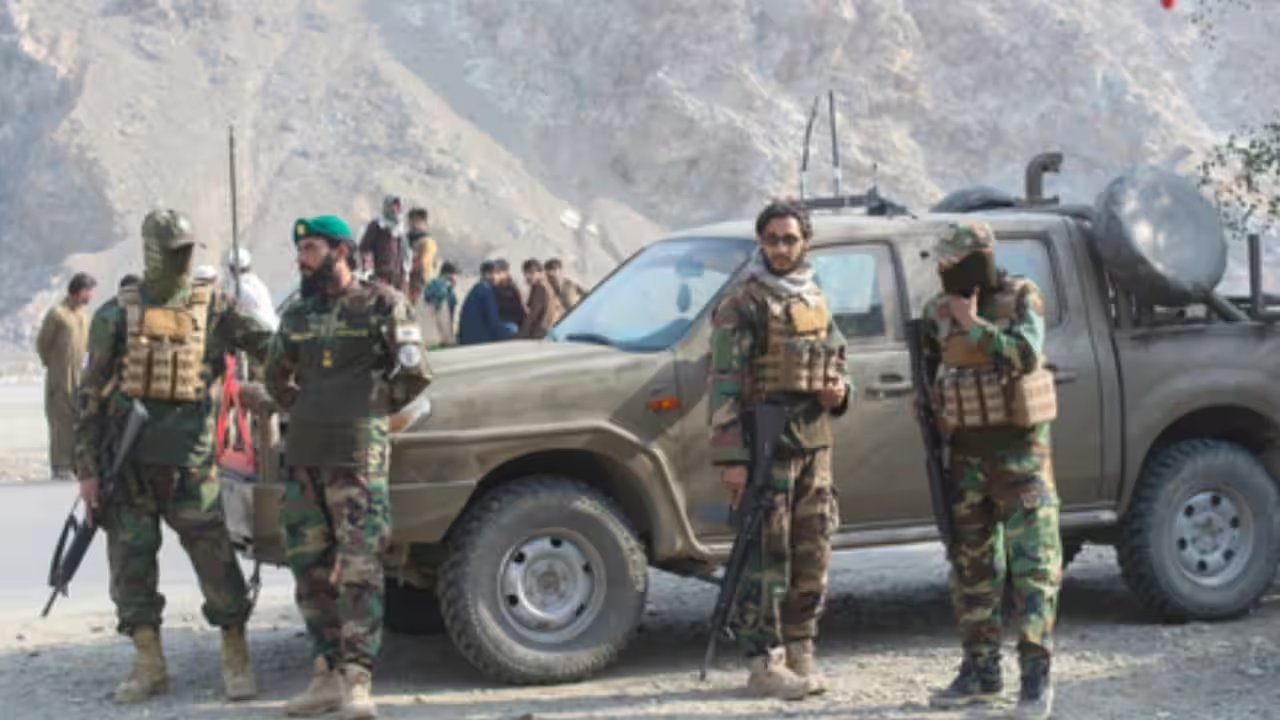
A report by the Pakistan Institute for Conflict and Security Studies (PICS) shows Pakistan has endured 1,232 rebel attacks in the first nine months of 2026, the highest in 12 years.
The surge peaked in September, when 225 attacks killed 545 people—a 13% jump from August's 199 incidents and the third month in a row of escalating violence.
Balochistan bears the brunt, with 131 attacks, more than half of national incidents; Khyber Pakhtunkhwa follows with 58, while the former tribal areas register 34.
The violence is driven by Tehrik‑i‑Taliban Pakistan, the Baloch Liberation Army and Baloch Liberation Front, alongside the Ittehad Mujahideen Pakistan and the newly formed IMP, which splits into Hafiz Gul Bahadur group, Lashkar‑e‑Islam and Harakat Inqilab‑e‑Islami.
Last week a suicide blast at a roadside police checkpoint in Dera Ismail Khan killed more than a dozen security officers and wounded at least 30; a week earlier, 21 officers were slain in a combined bombing and gunfight near Kohat.
Amid the surge, Islamabad has raised its ire at Kabul, accusing the Afghan Taliban of sheltering TTP operatives, and the government is poised to intensify border patrols and seek diplomatic pressure on the Taliban regime—next steps likely include a joint task force and a request for UN mediation.