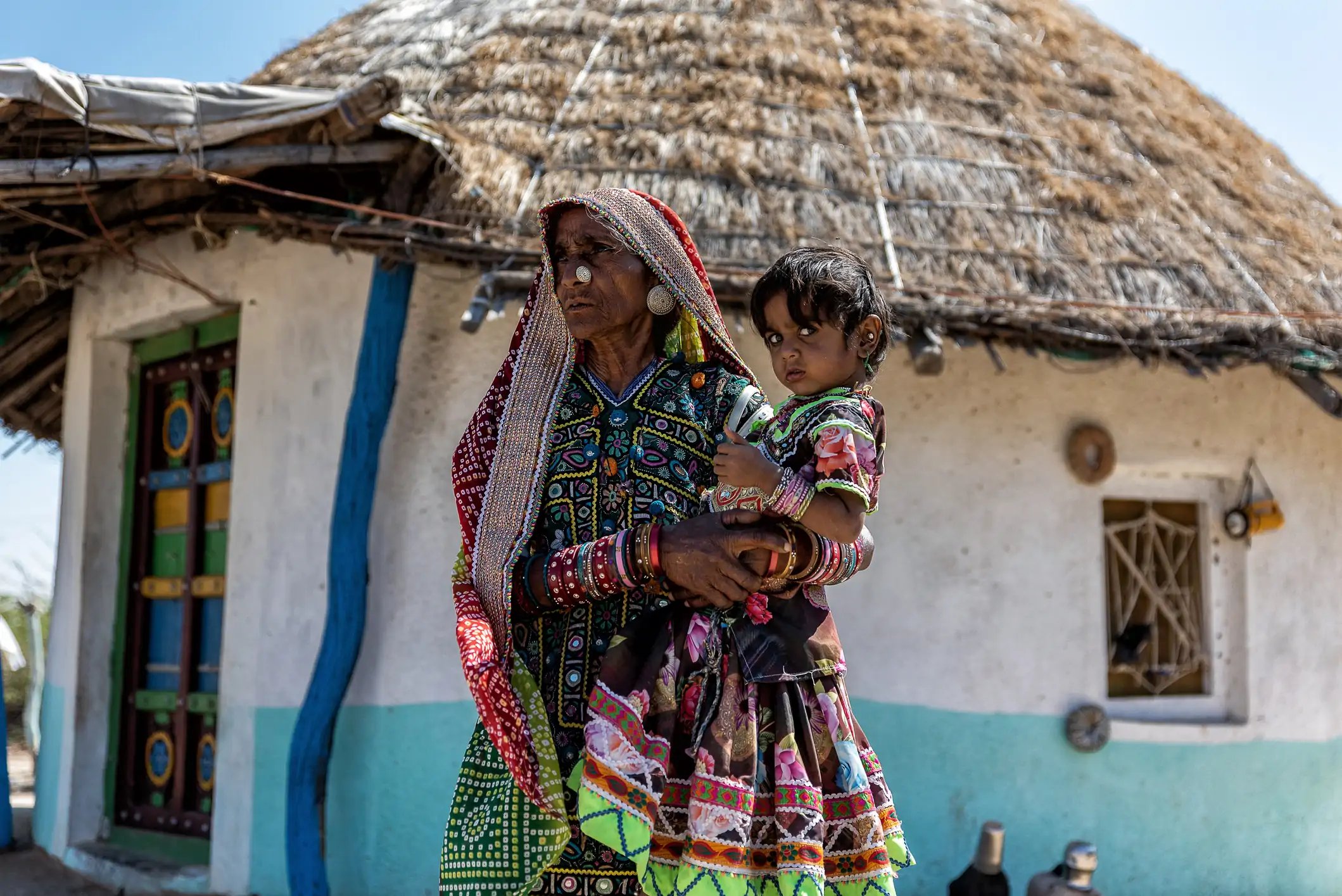
Vadia's 750 residents live on a single highway, where men solicit truck drivers each morning to secure clients for the village's women, a practice that has kept the community in a state of economic desperation for decades.
In 2012, NGO VSSM organized the first mass marriage ceremony, convincing a handful of families to forego prostitution and set a precedent for change.
Since then, 90 of 160 families have abandoned the trade, a shift measured by local police and the NGO, yet the village still grapples with poverty and limited opportunities.
One such girl, now 19, studied nursing in a distant college while her mother continues to work as a sex worker; her story illustrates the tension between hope and entrenched survival strategies.
Mittal Patel, founder of VSSM, credits a mix of community engagement, confronting disguised pimps, and reviving local farming to sustain the momentum, but stresses that clean water and proper irrigation are still missing.
The government allotted agricultural land to the village in 1963, but without irrigation, the land remained a liability; a new borewell project is slated to begin next year.
Vadia plans to hold 2026 mass marriages and will seek state aid for irrigation, aiming to cement the village's turnaround and prevent a relapse into the sex trade.