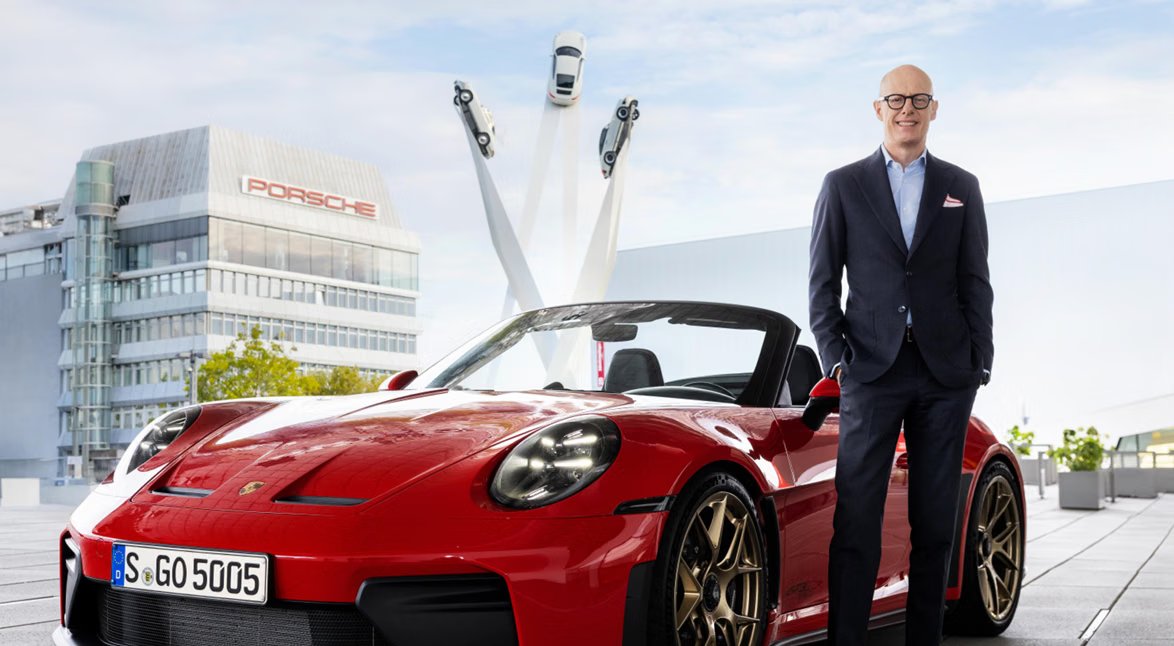
Porsche’s 2035 strategy is less a marketing sloganeer than a real‑world playbook for buyers. It spells out a tighter model lineup, a 20% price hike on flagship models, and a push for electrification that will hit the road in 2028 with the 718 Boxster.
The company will trim its workforce by 25% in the medium term and cut management posts by 40%, while slashing development costs by up to 20% and production wages by 30%. That means fewer layers of bureaucracy and more money left for R&D on the electric platform that will carry the Boxster and Cayman.
Model complexity will shrink by roughly 20% variants, but each remaining variant will see about a 30% bump in sales volume. That concentration is a response to the fierce competition from Audi’s e‑Tron lineup and Tesla’s Model S, where buyers often drown in too many choices.
The 718 Boxster and Cayman will be the first electric siblings in Porsche’s hierarchy, arriving in 2028. They’ll sit above the Cayenne‑based D‑segment SUV that Porsche is also developing, offering a clear path from a sporty coupe to a family‑friendly electric SUV.
Porsche is also crafting a mid‑engined super‑sports platform that will sit above the 911, signalling that the brand isn’t abandoning high‑performance heritage. Meanwhile, the 718 electric pair will help Porsche meet a target of €41‑45 billion in medium‑term revenue and a 10‑15% operating return on sales.
For buyers, the 2028 launch means a premium electric coupe that carries the Porsche badge and a price that will climb by roughly 20% over its combustion‑engine cousin. The brand’s focus on fewer, higher‑margin models could translate into more reliable after‑sales support and a cleaner, more focused product range.
Keep an eye on the 2028 launch date in key markets like Germany, the U.S., and India. Porsche’s next moves will likely involve the rollout of the electric 718 and the new D‑segment SUV, as the company pushes its break‑even point below 200,000 vehicles in a market that’s increasingly price sensitive.