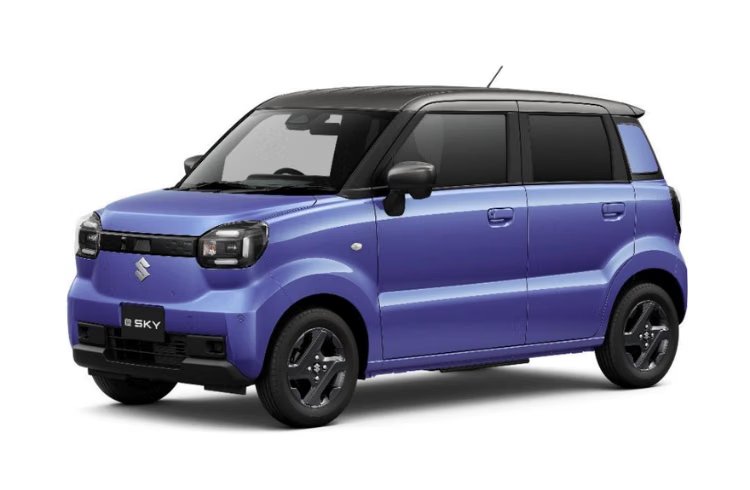
If you’re a city dweller with a tight budget, the Suzuki e SKY promises a 310‑km punch from a battery the size of a small backpack—no extra weight, no extra cost, just a smoother ride.
The ride is built on Suzuki’s own HEARTECT‑e platform, a purpose‑built chassis that houses an integrated eAxle and a regenerative braking system. This means fewer moving parts than a generic platform, potentially lower maintenance and a tighter integration that keeps the car’s weight dialed in.
Compare it to the Honda e, which tops out around 200 km on a similar battery, and you’ll see the e SKY’s 310 km is a clear advantage for daily commutes that stretch beyond the city core. In a market where range anxiety still lingers, that extra 110 km feels like a safety net.
The Vision e SKY concept revealed at the 2025 Japan Mobility Show measured 3,395 mm long, 1,475 mm wide and 1,625 mm tall, with a turning radius of 4.4 m. Those dimensions keep the car handy in tight alleys while offering a comfortable interior for two or three passengers—exactly what most kei‑car buyers want.
The e SKY will hit the market on 16 November 2026. Early production will focus on core metros—Tokyo, Osaka, Nagoya—before expanding to smaller cities. Keep an eye on pricing once it surfaces; the battery‑intensive portion of the cost will dictate how it stacks against the Honda e and any future entrants.
With the Japanese EV mandate tightening and import duties on foreign EVs adjusting, the e SKY’s domestic platform could give Suzuki an edge, keeping costs competitive while meeting the stricter emission and safety standards. Buyers should watch how Suzuki leverages the HEARTECT‑e tech in future variants that may offer larger batteries or faster charging.