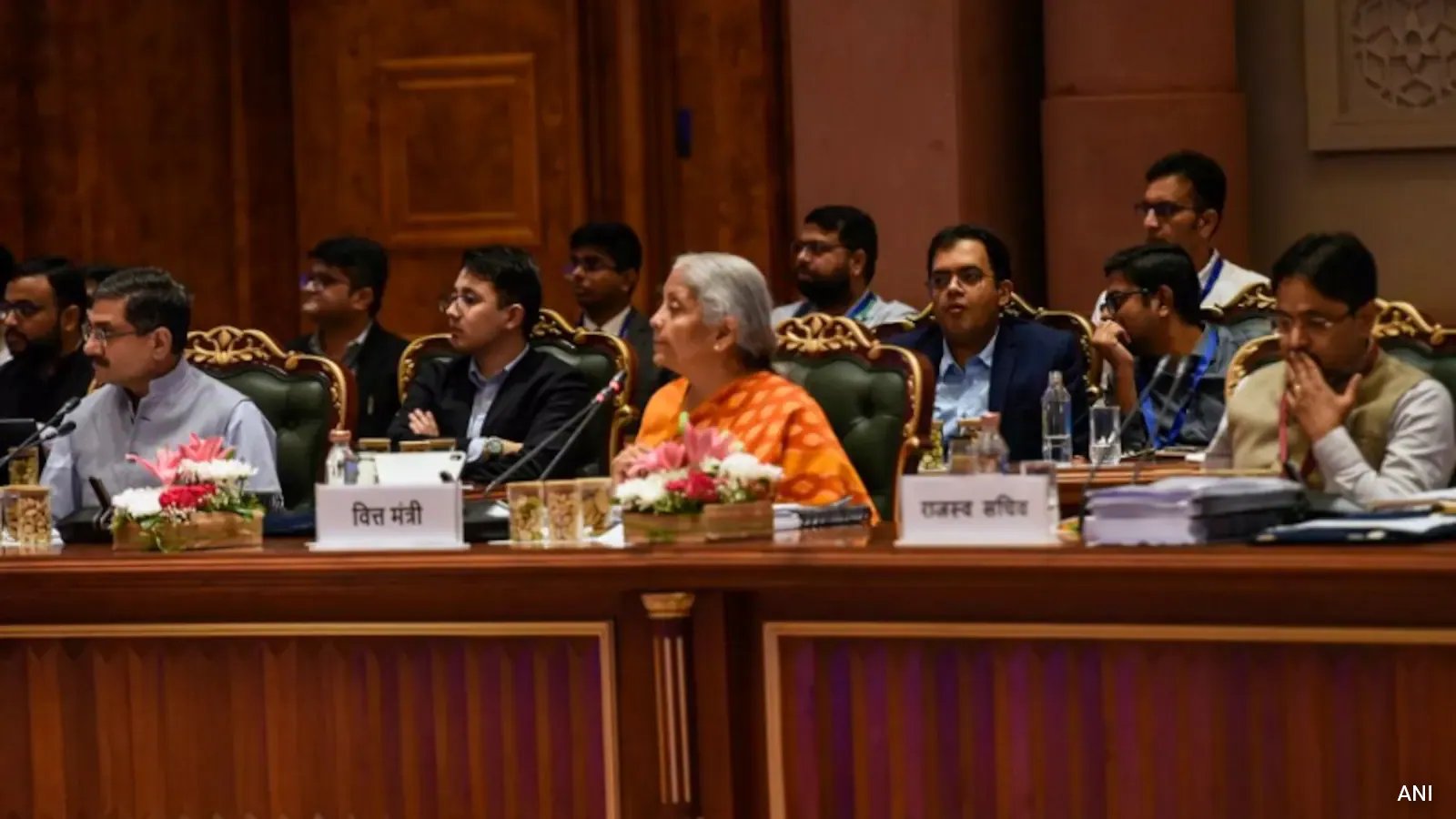
Finance Minister Nirmala Sitharaman’s GST Council, on Thursday, removed the arrest powers of GST officials and lifted the prosecution threshold from ₹1 crore to ₹5 crore, marking a significant shift in the country’s tax enforcement landscape.
The decision follows complaints from more than two million businesses that the earlier threshold stifled growth and created a climate of fear among taxpayers.
The council also scrapped the mandatory minimum punishment, allowing judges to tailor penalties to individual cases—a move that could curb overly harsh sentences.
In addition, the general penalty for non‑compliance has been cut from ₹25,000 to ₹10,000, a change the ministry said will slash costs for small firms operating on thin margins.
Sitharaman told reporters that the reforms focus on procedural simplification rather than altering GST rates, a point echoed by industry groups seeking clearer guidelines.
Small trader Arun Kumar of Kanpur, who faced a ₹3 crore audit last year, welcomed the changes, saying they could save his business from costly prosecutions and help him stay afloat.
The reforms are slated to roll out in the coming weeks, with the ministry urging businesses to file pending returns promptly to avoid interest and penalties.