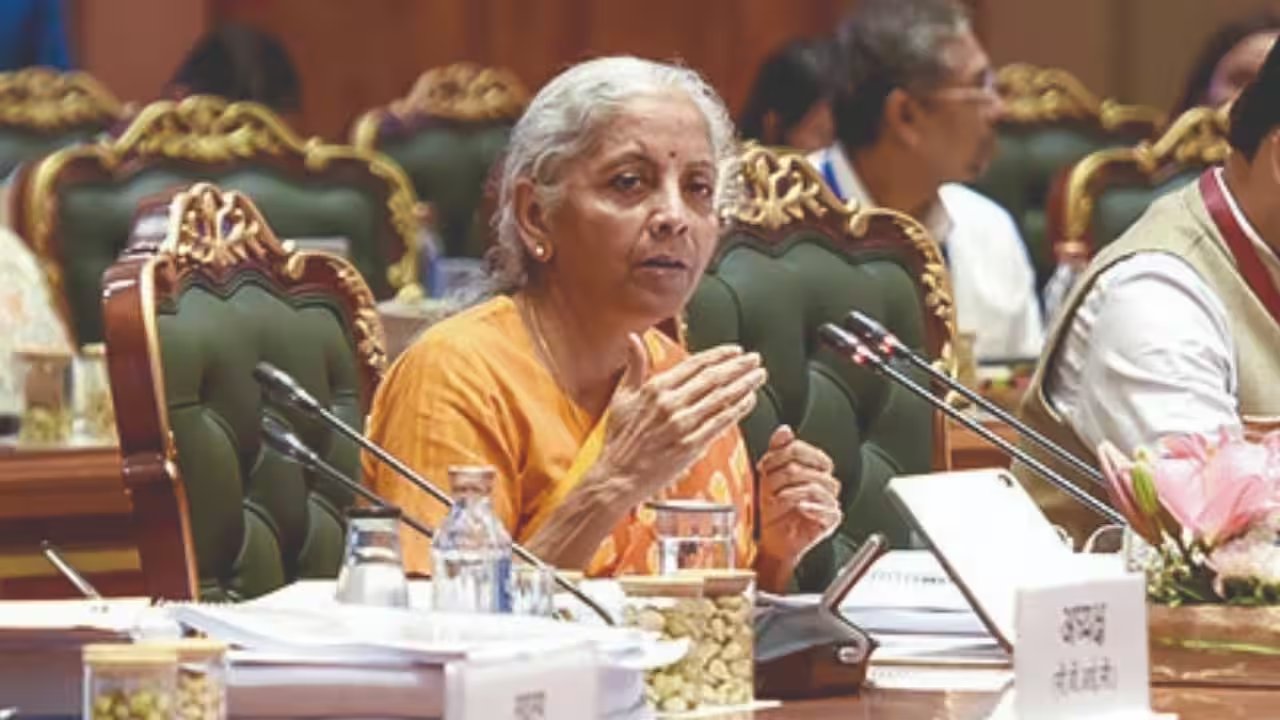
Finance Minister Nirmala Sitharaman unveiled a faceless GST system on Thursday, targeting 200,000 central payers spread across 23 states and union territories. The move follows the last‑year rate cut that lowered the effective GST from 11.8% to 10.8% and the administration’s claim that 99% of prior compliance issues have been resolved.
The announcement was made in New Delhi as Sitharaman outlined the plan to centralise tax administration for these payers, granting them a single window for returns, audits, adjudication and grievance redressal. She emphasized that the system would adopt the same trusted, faceless model that proved popular under the income tax regime.
The central‑state administrative split remains guided by the GST Council’s turnover‑based formula: 90% of taxpayers with turnover below ₹1.5 crore fall under state control, while the remaining 10% is managed centrally. Payers with turnover above ₹1.5 crore are divided equally between the two administrations, a structure that Sitharaman said preserves a unified interface for all 69.5 lakh registered taxpayers.
A working group within the Central Board of Indirect Taxes and Customs has submitted a report on the proposed framework. The government plans to open the design for public consultation before the next budget meeting and intends to roll it out during the upcoming fiscal year.
In a brief interview, a Chennai‑based exporter with a turnover of ₹2 crore said the unified portal would cut his filing time from 45 minutes to under ten. The exporter added that the shift to a faceless system would also reduce his risk of audits.
The initiative is positioned as a central government effort, separate from the GST Council, with Sitharaman noting that the council’s role is limited to rate decisions and formulaic allocations. The next step will be the release of the consultation document, after which the government will gauge feedback and finalize the system before the fiscal year’s start.