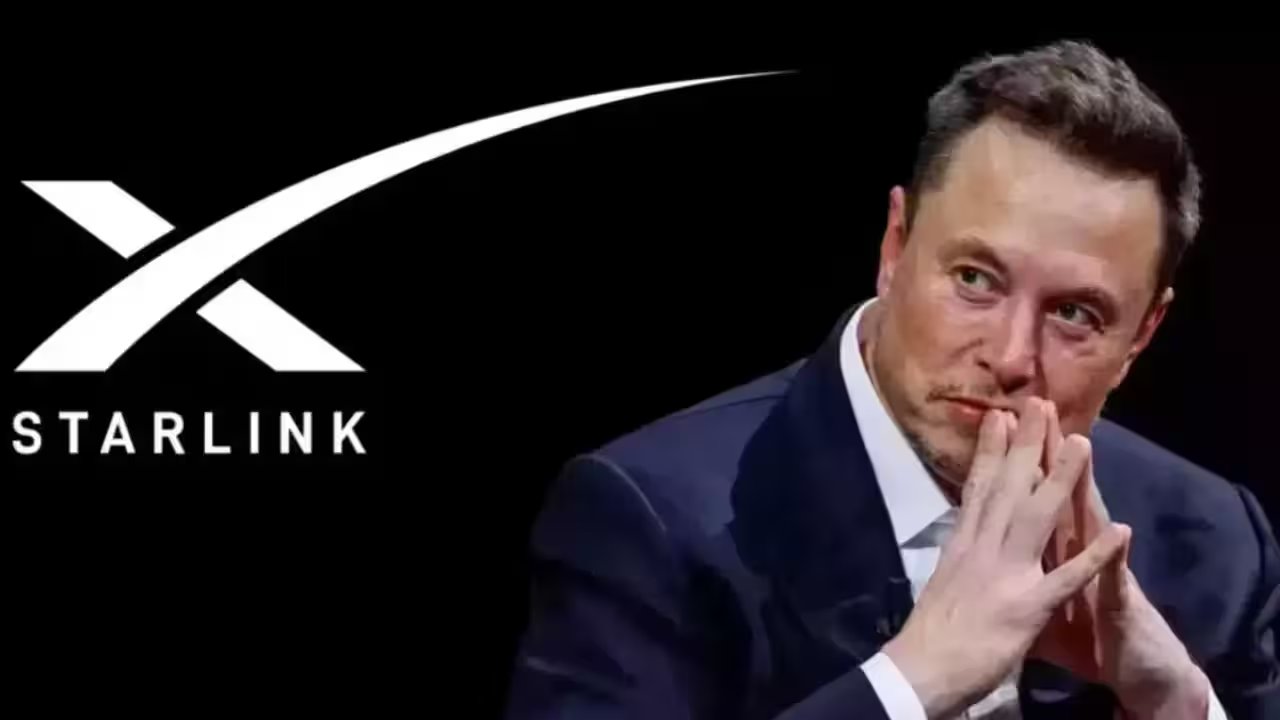
Elon Musk turned to X on Thursday to name names, asking pointedly, "Is Ambani the real boss of India?" The question landed hours after the Department of Telecom (DoT) rejected his earlier vague accusations that unnamed "oligarchs" were sabotaging Starlink's entry. Musk’s post marked a sharp escalation from his Wednesday comments, where he had previously urged readers to "guess who they are."
The government pushed back hard. In an official statement, the DoT asserted that India’s satellite communication framework is "fair and non-discriminatory." Officials clarified that three major players—Mukesh Ambani’s Reliance Jio, Sunil Bharti Mittal’s Eutelsat OneWeb, and SpaceX’s Starlink—are currently undergoing identical security assessments. "All three entities are at broadly the same regulatory stage," the ministry noted, effectively shutting down the narrative of preferential treatment against Musk.
Rahul Gandhi, the Congress leader, jumped into the fray. He responded to Musk’s post with a cryptic warning: "Welcome to India, Elon. Wait till you discover the other guy." Musk, seemingly unbothered by the political entanglement, replied: "Thank you, Rahul. This is indeed troubling." The exchange added a layer of political complexity to what was already a high-stakes corporate battle.
Musk argued that opponents of Starlink are primarily benefiting the wealthy, who already enjoy robust internet access in urban centers. "People who oppose Starlink hurt only the least-served," he wrote, emphasizing that his service targets remote areas with poor or no mobile coverage. Meanwhile, at the India Mobile Congress, Akash Ambani claimed Jio is making "rapid progress" and promised broadband for every Indian home, while Sunil Bharti Mittal confirmed OneWeb is also awaiting its final approvals.
The regulatory clock is ticking. Once the security assessment concludes for any of the three entities, they can proceed to the next step: seeking spectrum assignment. The DoT has not provided a specific timeline, but the intense public scrutiny suggests that any delay now will be widely interpreted as political interference. The next moves from the Telecom Ministry will determine whether this remains a digital rights debate or becomes a full-blown diplomatic incident.