Pratt, a petroleum geologist for Humble Oil, first saw McKittrick Canyon in 1921 while hunting oil leases; the canyon’s clear streams and rugged geology hooked him.
In 1931–32 he built Pratt Cabin, a stone retreat that later became a National Park interpretive site, and in 1943 he oversaw the construction of Ship on the Desert, a modernist home styled after an oil tanker.
Pratt’s 1959 donation of 4,942 acres and a subsequent 690‑acre gift in 1960–61 secured the land for federal ownership, prompting Congress to pass the legislation that established the park in 1966.
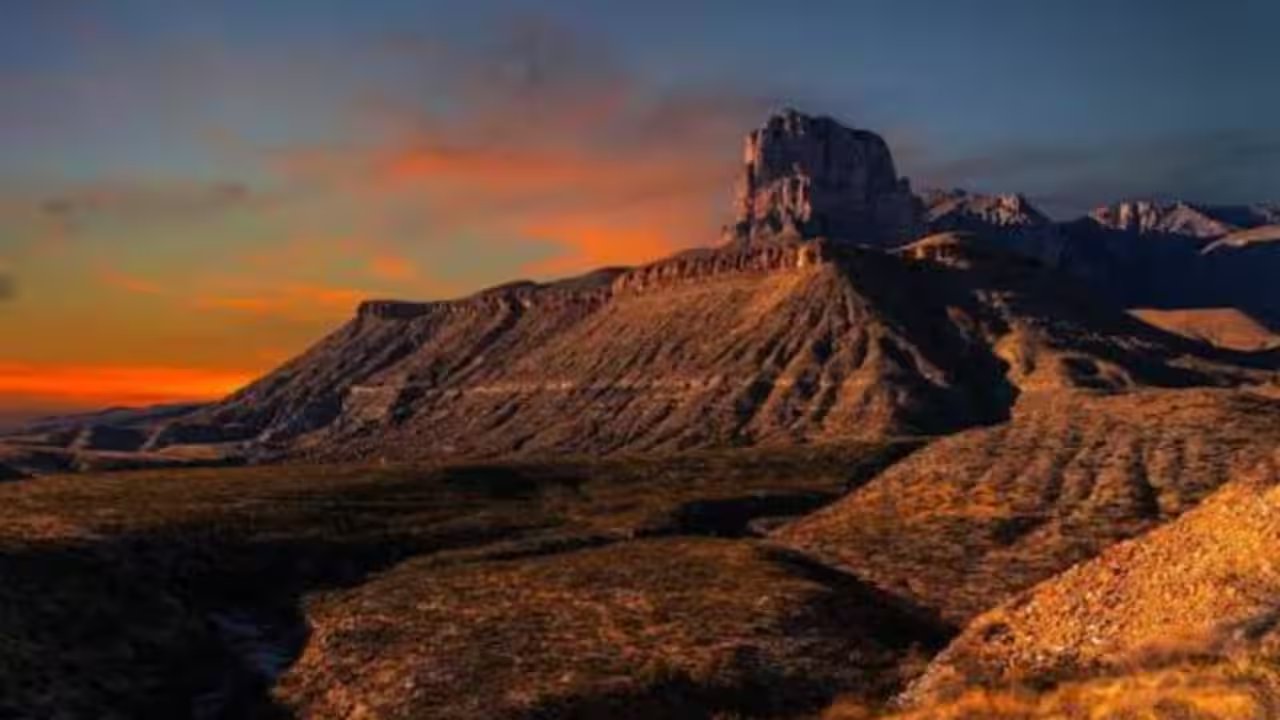
The U.S. government later purchased an additional 80,000 acres from rancher J.C. Hunter Jr. to complete the park’s 76,293‑acre footprint, which includes Guadalupe Peak and the Permian fossil reef.
Today, Pratt Cabin and Ship on the Desert sit within the park, with the former used as a ranger interpretive site and the latter listed on the National Register of Historic Places; hikers on the McKittrick Canyon Trail still see the stone walls he built.
Local residents remember the Pratt family as pioneers who blended oil industry ambition with conservation, and the park’s opening in 1972 remains a testament to that legacy.