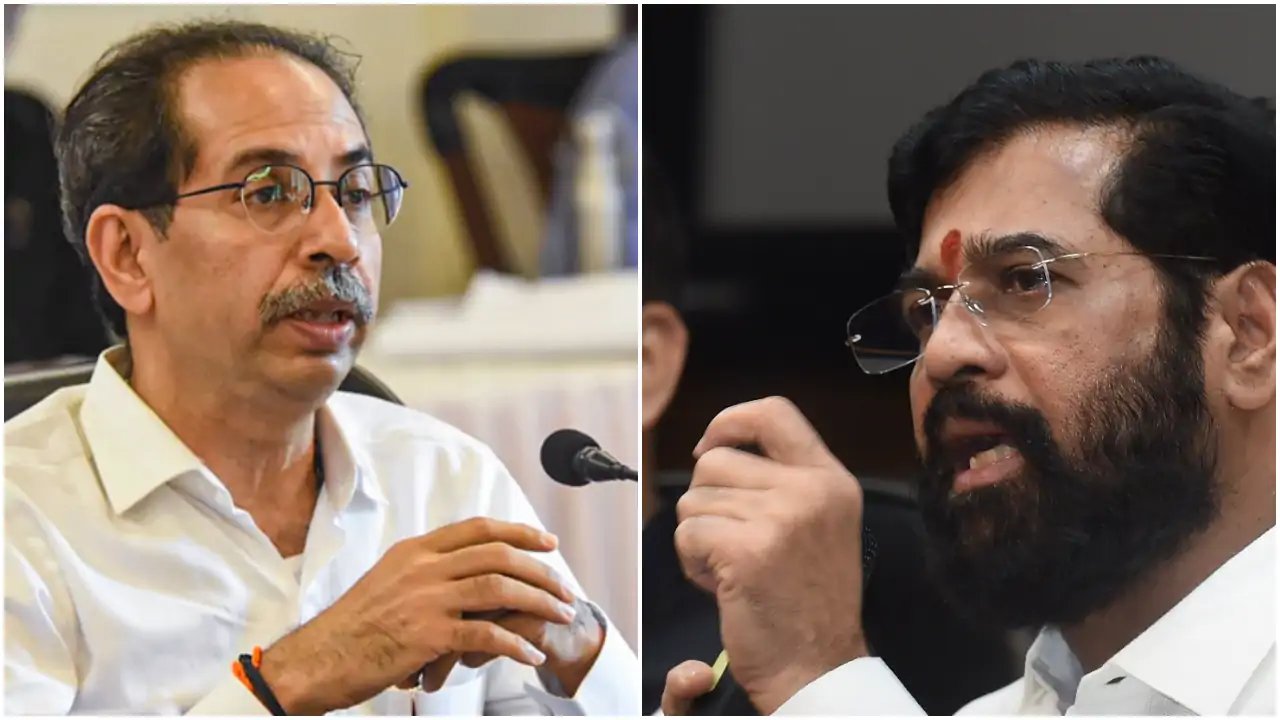
The Supreme Court of India, sitting as a two‑judge bench led by Chief Justice Surya Kant, has reopened the case that questions the Election Commission’s recognition of the Shinde‑led Shiv Sena as the legitimate party. The hearing, which was paused after the bench asked whether the poll body had considered denying the reserved bow‑and‑arrow symbol to both factions, will now take place on September 22, 2026. The decision comes as the political landscape in Maharashtra remains fractured, with the Shinde faction holding a majority of seats in the dissolved 2019 assembly and the Thackeray faction contesting the EC’s ruling.
According to senior advocate Neeraj Kishan Kaul, the Shinde group’s claim rests on a legislative majority test that he says is legally sound. In the 2019 Maharashtra assembly elections, 40 MLAs backing Shinde secured 76 % of the votes cast for the 55 Shiv Sena seats that emerged victorious, while the 15 MLAs supporting Thackeray garnered only 23.5 %. When the total votes of all Shiv Sena candidates are considered, the Shinde camp accounts for roughly 40 % of the party’s share, compared with 12 % for the Thackeray faction.
Justice Bagchi raised the issue of pending disqualification proceedings against Shinde’s MLAs, noting that they cannot be used to override the EC’s determination under Paragraph 15 of the Election Symbols (Reservation and Allotment) Order. Kaul countered that the disqualification cases had been dismissed and that the EC’s test remains appropriate, citing the Supreme Court’s earlier ruling in Sadiq Ali v Election Commission. The bench also emphasized that the EC and the Speaker of the assembly perform distinct functions, so the EC is free to apply a suitable test even when the Tenth Schedule is invoked.
The forthcoming hearing will decide whether the EC should have frozen the symbol and allowed the two factions to contest elections on separate emblems. A verdict could formalise the split, forcing voters in Maharashtra to choose between two parties claiming the Shiv Sena brand. Political analysts say the ruling will shape the next general election, while ordinary citizens—like a farmer in Kolhapur who has supported the Shinde faction for years—are watching closely to see how the symbol dispute will affect local representation.