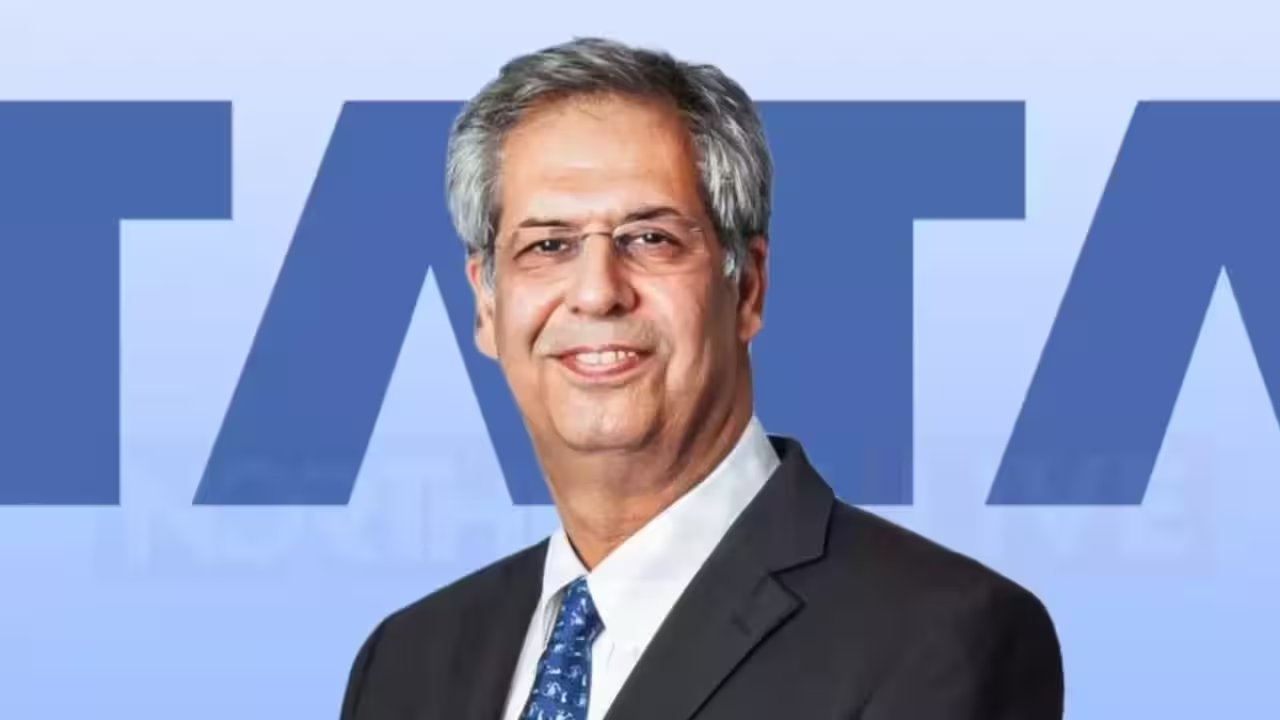
Noel N Tata, chairman of the Tata Trusts, told the board on Thursday that the conglomerate must exhaust every legal avenue to avoid a public listing. "The letter from the regulator does not even name listing," he said, pointing to restructuring as a viable alternative. The trust chairman insisted that the board had not been briefed on what steps management actually took to prevent the RBI's intervention. This gap in communication, he argued, is unacceptable for the majority shareholders.
The friction is stark. Some directors have already signaled support for an IPO, viewing it as a way to manage regulatory compliance. Noel Tata rejected this path outright. He noted that Tata Sons is not a standard holding company; the trusts hold a 66% stake and reinvest all dividends into charity. "If Tata Sons is publicly listed, the rights of Tata Trusts as majority shareholder stand to be seriously impaired," he stated. A listed entity answers to institutional investors seeking financial returns, a conflict of interest the trusts cannot accept.
The dispute stems from an RBI communication dated September 11, 2026, which arrived at the board "without a warning." Noel Tata questioned why management assured the board in September 2025 and again on February 24 that Tata Sons would remain unlisted. He demanded to know what options were explored and the level of engagement with the regulator. "I do not read the assurance given... as having expired," he said, calling on Chairman N Chandrasekaran to fully brief the board on the journey of this regulatory engagement.
Tata Trusts will now seek details of the RBI's decision-making process, potentially through the Right to Information Act. If listing becomes unavoidable, Noel Tata argued the group should demand at least three years to comply, citing the group's historical regulatory adherence. He also highlighted that RBI norms allow upper-layer NBFCs to exit the enhanced regulatory framework if the move is a "voluntary strategic readjustment" approved by the board. The next board meeting will likely center on this deadlock between the trust's mandate and the directors' strategic preferences.