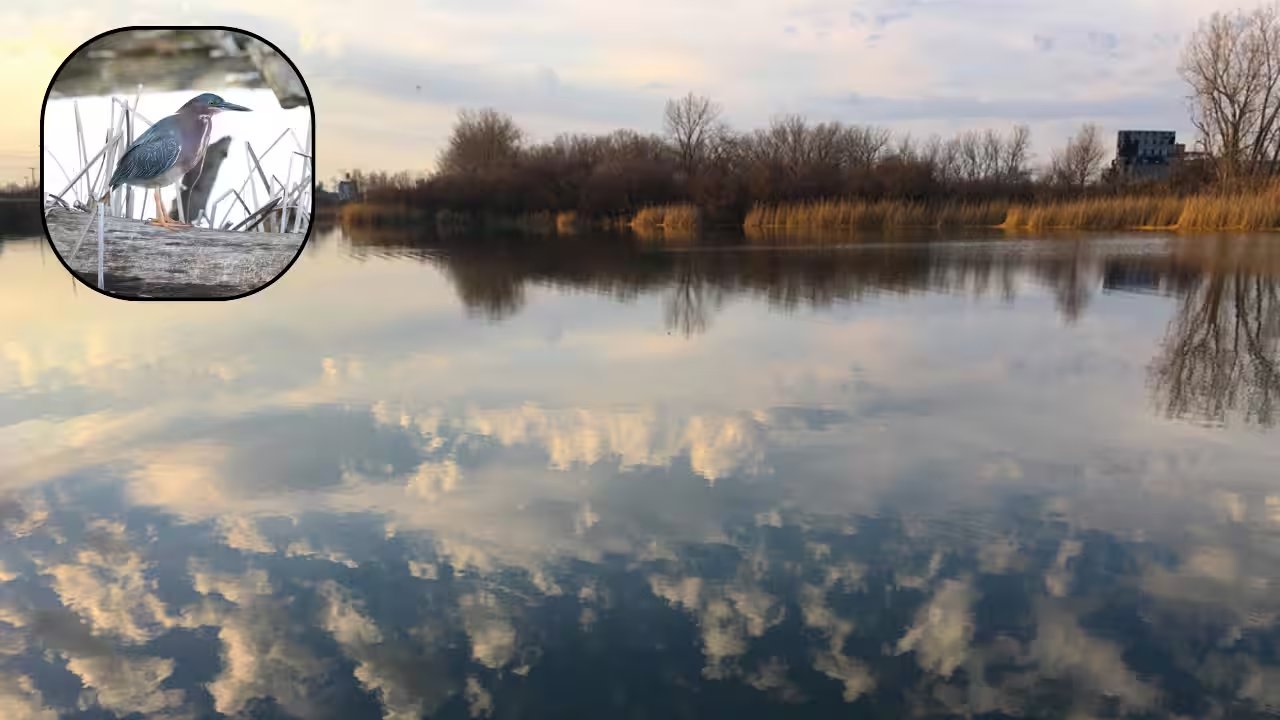
The 264‑acre former municipal dump on Buffalo’s Outer Harbor turned into a thriving nature preserve in 1976, and today it records over 260 bird species—an astonishing shift from its industrial past.
The land was once George Washington Tifft’s dairy farm, then a transshipment hub for coal and iron ore before the city acquired it in the 1950s and turned it into a landfill. By the 1970s it still bore the scars of waste and fill, but a 1975 master plan earmarked the southwest corner for ecological restoration, ending refuse transfer there.
In 1976 the city formally declared the area a nature preserve, covering nearly two million cubic feet of solid waste in clay and topsoil, expanding ponds, and planting trees and wildflowers. A 75‑acre cattail marsh—once part of a larger wetland—was preserved and later protected by the 1982 takeover of the property by the Buffalo Society of Natural Sciences.
Ecological management has been relentless: from 2009 to 2014, 2,100 trees of 29 native species were planted; in 2011 invasive Phragmites was removed, allowing 30,000 native aquatic plants to thrive; and an 18‑acre section of the East Canal is currently being renovated to improve water quality and native habitat.
Today the preserve is listed as an Important Bird Area by the Audubon Society, offers five miles of trails and boardwalks, and is celebrating its 50th anniversary with the opening of a three‑quarter‑mile accessible trail and a new boardwalk, underscoring its role as a living laboratory for urban wildlife research.