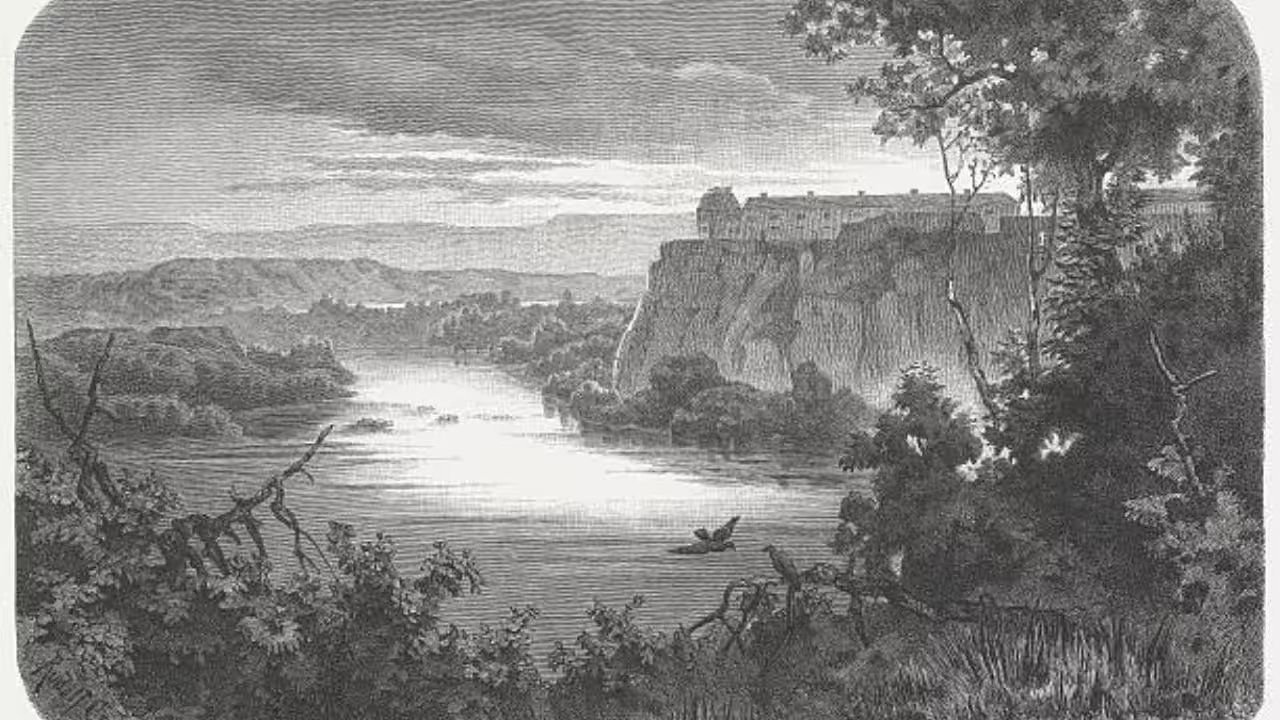
Fifty years ago, the Minnesota River bottoms looked like they were headed for the landfill. Local residents pushed back hard against development plans that threatened to pave over one of the region’s most vital natural landscapes. That grassroots resistance paid off, securing federal protection for the land through the U.S. Fish and Wildlife Service and creating an urban wilderness that stretches from Bloomington to Henderson.
The refuge now spans more than 15,000 acres, offering a protected corridor for birds, insects, and other wildlife just miles from the Twin Cities. It’s a stark contrast to the heavily developed surroundings, providing a rare pocket of grasslands and wetlands in a dense urban area. The 50th anniversary highlights how much has changed since 1976, but conservation challenges remain central to the conversation.
The U.S. Fish and Wildlife Service is hosting a 50th-anniversary celebration on Sept. 26 at the refuge’s visitor center in Bloomington. The event kicks off at 8 a.m. with a bird walk and archery, followed by a panel featuring current and former refuge managers. They will tackle pressing issues facing the Minnesota River Valley, including water quality, flooding, and development along the river’s bluffs.
The timing coincides with the annual monarch migration, with thousands of butterflies spotted moving through the state toward Mexico. Sightings are particularly common around blazing stars in the Minnesota River Valley and the North Shore. Residents can track the migration using the Project Monarch app or the citizen-science website Journey North. Gooseberry Falls State Park is also hosting a Pollinator Party on Sept. 18 from 10 a.m. to noon to highlight these insects and other pollinators.
Meanwhile, the Minnesota Department of Natural Resources is accepting designs for a new state parks license plate through Oct. 31. Entrants must incorporate the North Shore and Lake Superior agate, Minnesota’s official state gemstone, into their submissions. A panel will select three finalists once submissions close, offering a small but symbolic reminder of the state’s deep tie to its wild spaces.