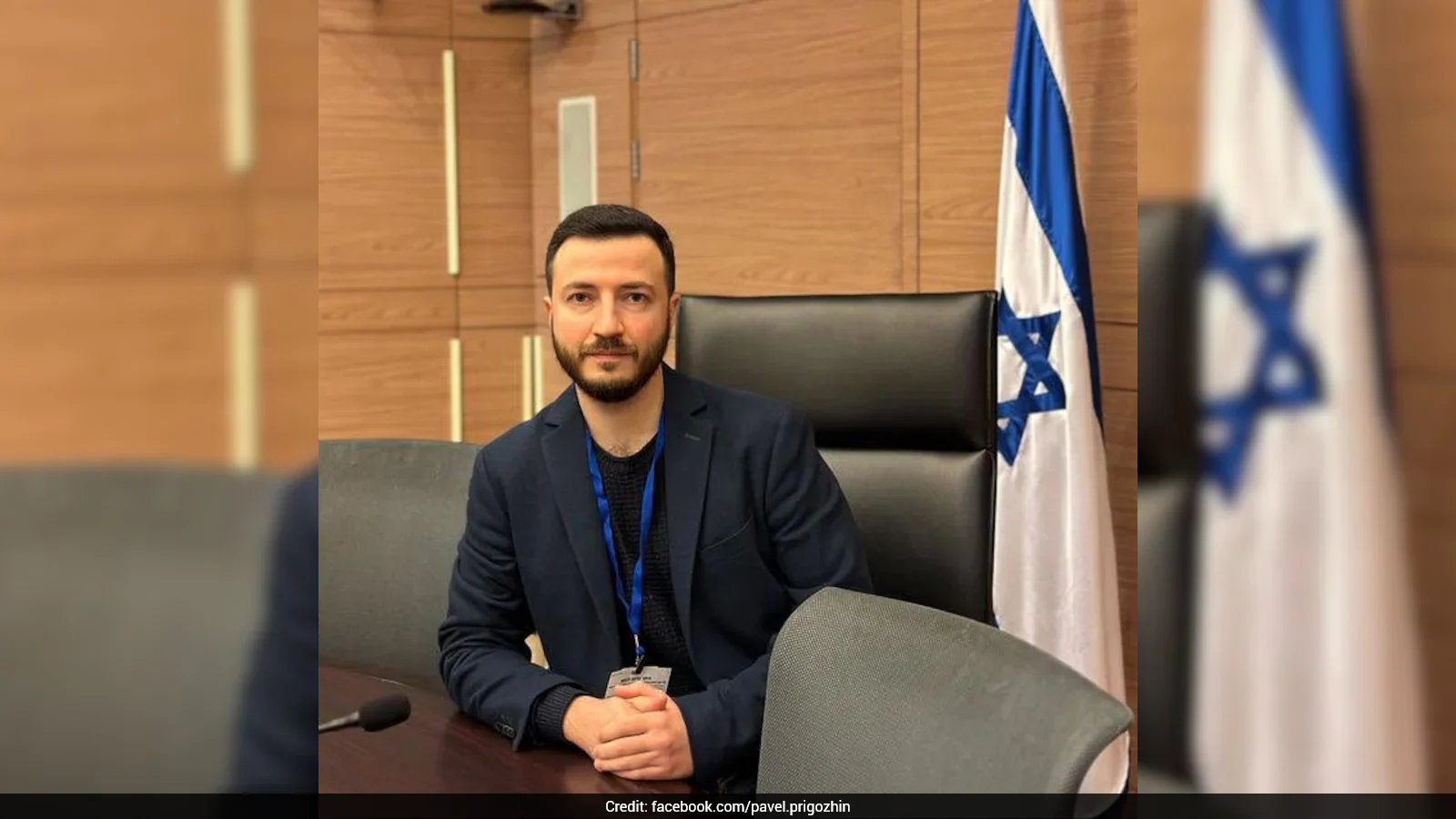
Pavel Prigozhin commands a sprawling illicit network generating over $400 million annually from Bangui, the capital of the Central African Republic. The 28-year-old controls gold mines, arms deals, a mercenary force, and a drug syndicate that have replaced the private military structure his father, Yevgeny Prigozhin, built. Estimates from the Geneva-based Global Initiative Against Transnational Organized Crime place the family business’s yearly output at more than $400 million, a figure that dwarfs the legal revenue of many mid-sized African nations.
This empire survived the August 2023 crash of a private jet in Russia, which killed Yevgeny Prigozhin and his top military commander. Yevgeny died just two months after leading a brief, failed rebellion against Vladimir Putin, during which he accused the Kremlin of treating his fighters like "meat." Pavel, who was 25 at the time, had already been groomed for succession. His father placed him in charge of luxury real estate at age 20 and cultivated his public image as a patriot, citing his service as a drone operator in Ukraine and Syria.
In Bangui, Pavel has entrenched Wagner’s presence by embedding mercenaries into the country’s police, army, and intelligence services. He met with senior government officials and local commanders, including Dmitry Sytii and Denis Suprunov, to secure the regime-protection-for-minerals arrangement. Justyna Gudzowska, executive director of The Sentry, noted that Bangui fought harder than any other capital to maintain this deal because it had proven so profitable for the state. The group controls mines and sells minerals, sharing proceeds with the government while also dominating the local market for tramadol, a prescription opioid.
The operation extends beyond the CAR. In Mali, Wagner protected the military government for $10 million a month. In Libya, its fighters secured oil wells in rebel-controlled areas. In Sudan, the group supplied surface-to-air missiles to the Rapid Support Forces in exchange for gold. The Washington Post reports that Pavel has expanded these operations since taking over, despite the Kremlin’s move to nationalize Wagner’s Russian assets and create the Africa Corps under the Defence Ministry.
Lou Osborn, an investigator with the Switzerland-based non-profit Inpact, describes the current state of the group as a shift from special forces to organized crime. The empire now includes consumer brands like "Wa Wa Wa" vodka and "Africa Ti L'Or" beer, masking its illicit core. As the Kremlin distances itself from the Wagner label, Pavel’s network in Africa continues to grow, blurring the lines between state security and criminal enterprise.