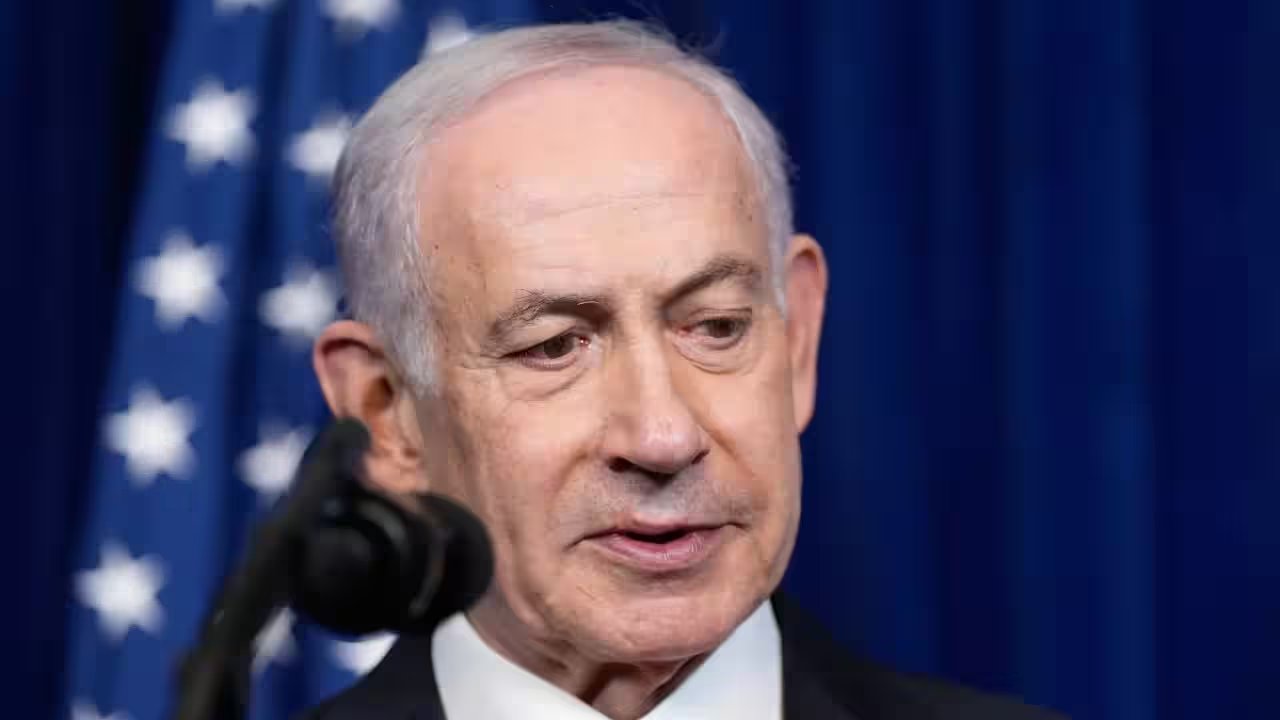
Netanyahu’s office rejected Channel 12’s claim that the prime minister clashed with the military chief of staff over a pre-war directive, labeling the report "fake news." The allegation suggests the PM instructed an "action" the army feared would reignite conflict with Iran just as campaigning entered its final day. Defence Minister Israel Katz echoed the denial, stating Israel had no intention to initiate an attack before the vote. He added that Israel would respond forcefully only if Iran struck first.
The denial landed in a political powder keg. Gadi Eisenkot, Netanyahu’s main rival and former military chief, warned him not to "dare to place your own political interests above the security of the state." Eisenkot’s comment implies a direct accusation that Netanyahu prioritized electoral survival over national safety. The opposition framed the potential incident as an endangerment of regional stability right before citizens cast ballots.
Avigdor Lieberman, leader of Yisrael Beytenu, escalated the pressure by formally asking the Attorney General to probe the matter for possible treason. Lieberman argued that dragging the nation toward war for electoral gain constitutes a betrayal of democratic duty. The move transforms a media dispute into a legal and constitutional crisis in the hours before the polls close.
The election result will determine whether Netanyahu remains in power to face a potential treason investigation or if the issue fades with his tenure. The military’s silence on the specific details of the alleged "clash" leaves the public guessing about the true state of defense readiness. Voters now decide with knowledge of this alleged rift between the political and military leadership.