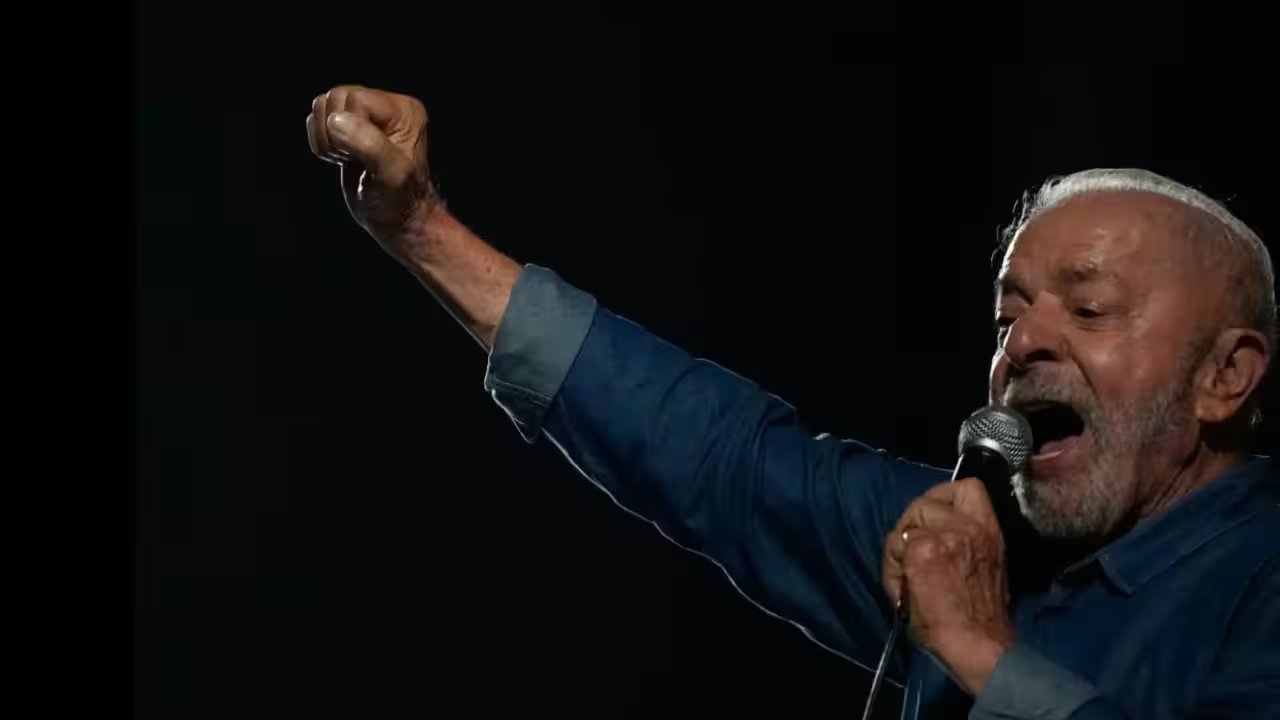
Lula’s 51.8% win on Sunday broke a 18‑month streak of conservative presidents, ending the Bolsonaro family's bid for a second consecutive term and halting Donald Trump’s plan to tighten his foothold in Latin America. The result followed Lula’s own comeback in 2022, when he returned to the palace after a 18‑month jail term that ended with an acquittal on procedural grounds.
Trump has yet to publicly recognize the result, but congratulations poured in from leaders worldwide, including Indian Prime Minister Narendra Modi, who called the victory "remarkable" and promised closer cooperation. Lula’s victory speech, delivered at the presidential palace in Brasília, framed the outcome as proof that Brazil will not be anyone’s backyard.
Washington’s next move will hinge on trade and security. Lula has urged the United States to lift tariffs on Brazilian goods and to reduce dependence on Chinese rare earths, while the Trump administration has hinted at a new military coalition against drug cartels—an idea Lula has signaled he would only pursue if it served Brazil’s interests. Will Freeman of the Council on Foreign Relations notes that the Bolsonaros’ influence in Washington will likely wane after their second electoral defeat.
The Brazilian result has ripple effects across the region. Right‑wing governments in Peru, Chile, and Colombia have already secured new mandates, and the United States is watching closely as its own midterm elections approach in November. The Lula administration will also face a Congress that is now dominated by his opponents, a challenge that could shape the pace of reforms and the country’s foreign policy.
In the coming weeks, Lula is expected to meet with U.S. officials to negotiate on trade and security, while Brazil prepares for a new term amid economic and security concerns that have long plagued the nation. The outcome of these talks could set the tone for Brazil’s role in global geopolitics for the next decade.