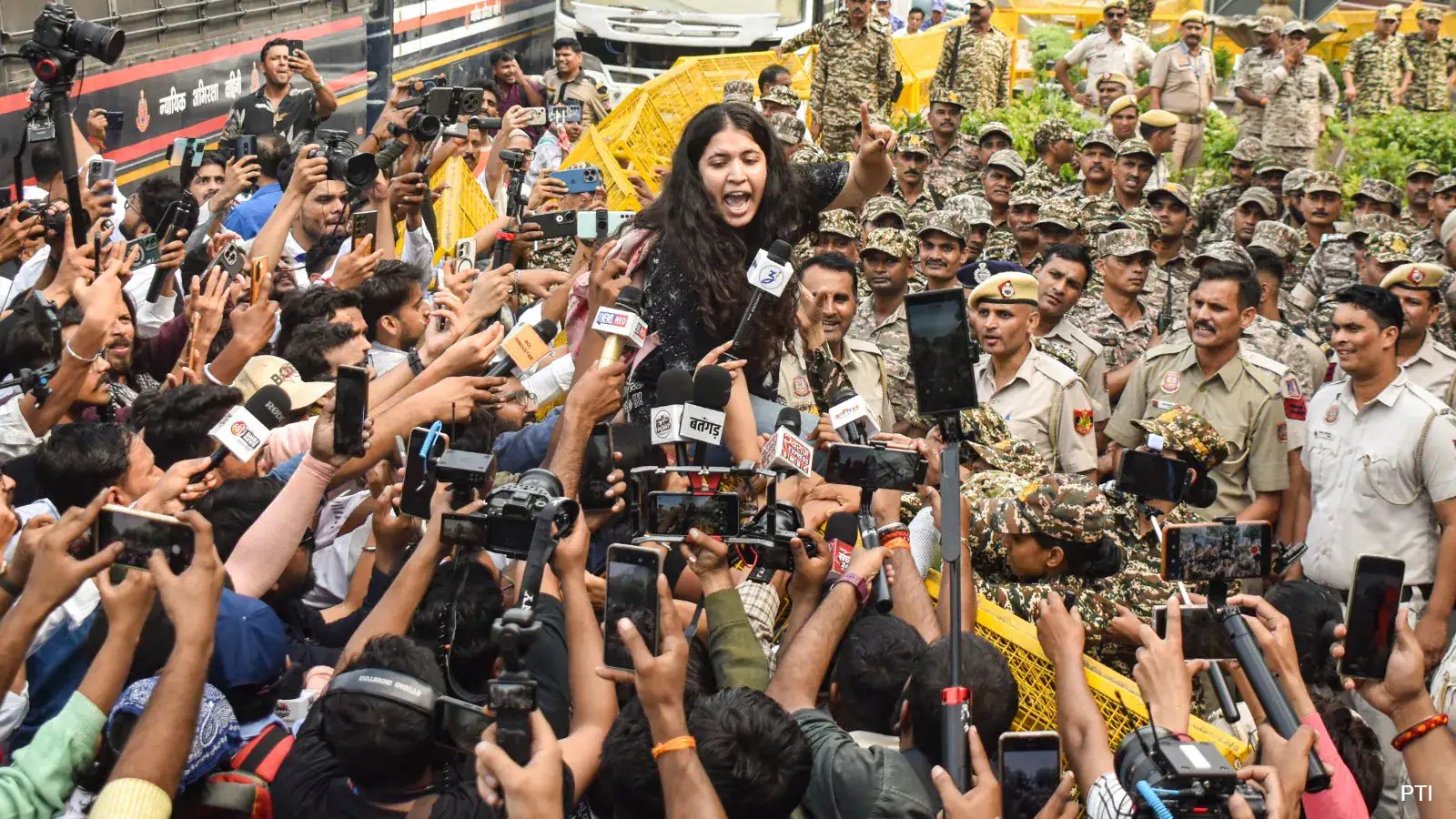
The bench of Chief Justice Surya Kant and Justice Joymalya Bagchi heard a plea on Thursday that several journalists, including women media professionals, were harassed by Delhi Police while covering protests against Chief Election Commissioner Gyanesh Kumar and the Special Intensive Revision of electoral rolls on October 10. The court remarked that the growing number of people claiming to be journalists under the right to freedom of expression makes it hard to safeguard accredited reporters. It also noted the need to demarcate accredited journalists from influencers and other digital content creators.
Senior advocate Indira Jaising, representing the petitioners, argued that a woman journalist was maltreated by a police officer who had filed a casteist complaint against her, yet no case had been lodged on the woman's side. Jaising said several women reporters were pushed and assaulted during the demonstrations, and the court called the allegations "very serious." She urged the Supreme Court to set up an independent committee, preferably composed of former judges and retired IPS officers, to examine the complaints of women journalists.
Solicitor General Tushar Mehta warned that the proliferation of mobile phones has turned anyone into a potential journalist, complicating the court's task of distinguishing reel‑makers from professional reporters. He noted that many people simply carry a mic and produce reels for social media, but lack the credentials of accredited journalists. Mehta suggested a national protocol to clarify these distinctions.
In response, the bench directed that no coercive action be taken against the woman journalist in question and ordered the police to complete its inquiry into the complaint. The court also announced that it would draft guidelines outlining the "layers of protection" for accredited journalists and that it would consider forming an independent committee to oversee future incidents.