Last week, Foreign Minister Abbas Araghchi presented Iran's truce proposal at the United Nations. The plan demanded lifting U.S. sanctions on Iranian oil, releasing frozen assets, and ending the naval blockade of the Strait of Hormuz.
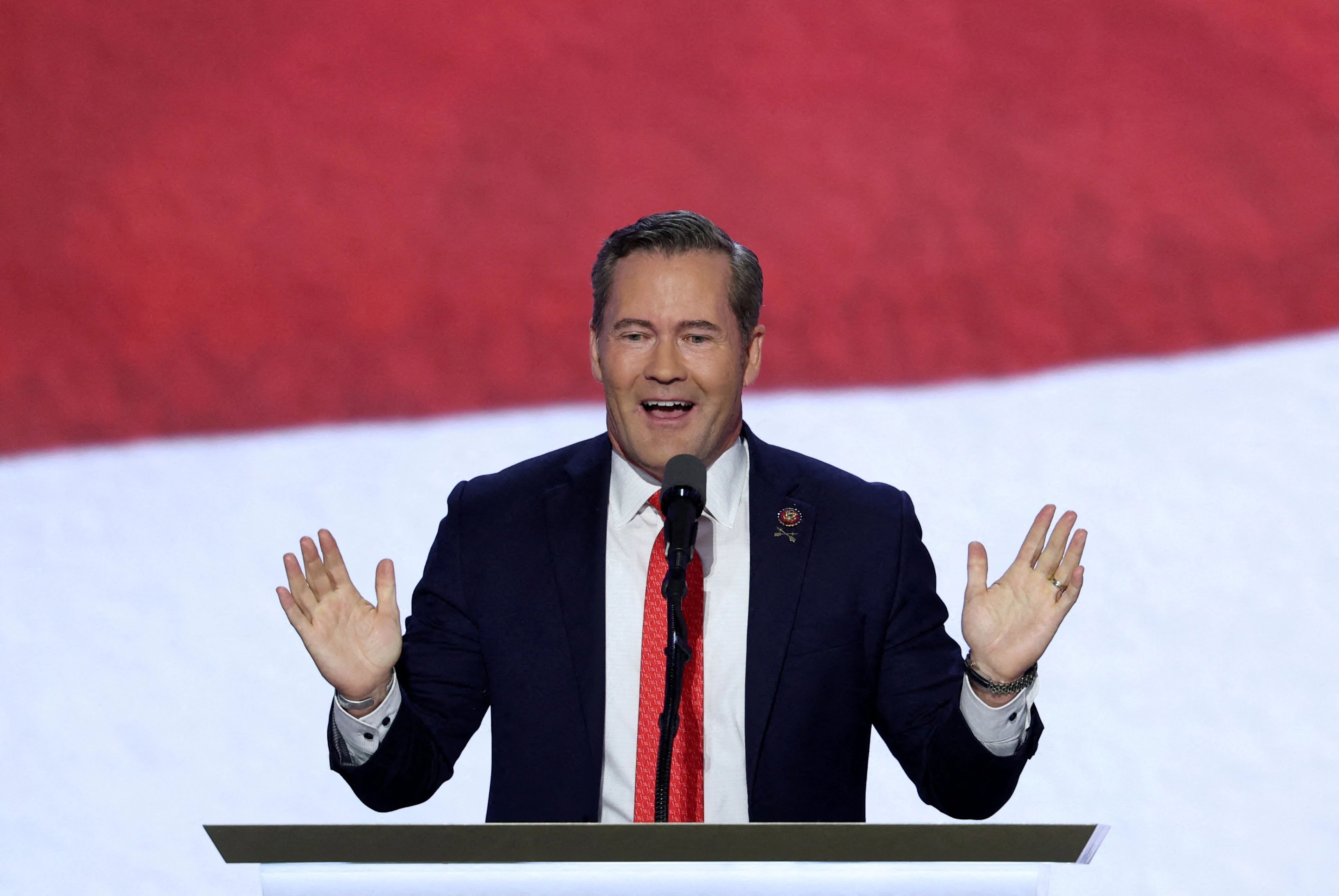
U.S. Ambassador to the United Nations Mike Waltz told NBC News the truce plan required Iran to give up the blockade and sanctions relief before any talks could restart. Waltz called the demand a "cynical attempt" and said, "They are asking for the release of the blockade, the sanctions, and access to billions in assets, just to talk."
Araghchi denounced the U.S. stance as a refusal to engage. He said, "We are ready to open the strait if certain things are done by the U.S., but the U.S. has not delivered on its promises," and warned that Tehran had "no reason to engage with this administration again."
Trump said he would not trust Tehran and hinted at a possible resumption of air strikes. Yet he also said he expects negotiations to resume in the coming week, and that the administration will keep all options on the table. The next step will be indirect talks that could begin as early as Monday, according to Axios.
The decision leaves the U.S. in a precarious position, balancing the risk of renewed hostilities with the need to avoid escalating a conflict that has already cost dozens of lives. The U.N. Security Council will likely review the proposal in the coming days as the world watches the next moves.