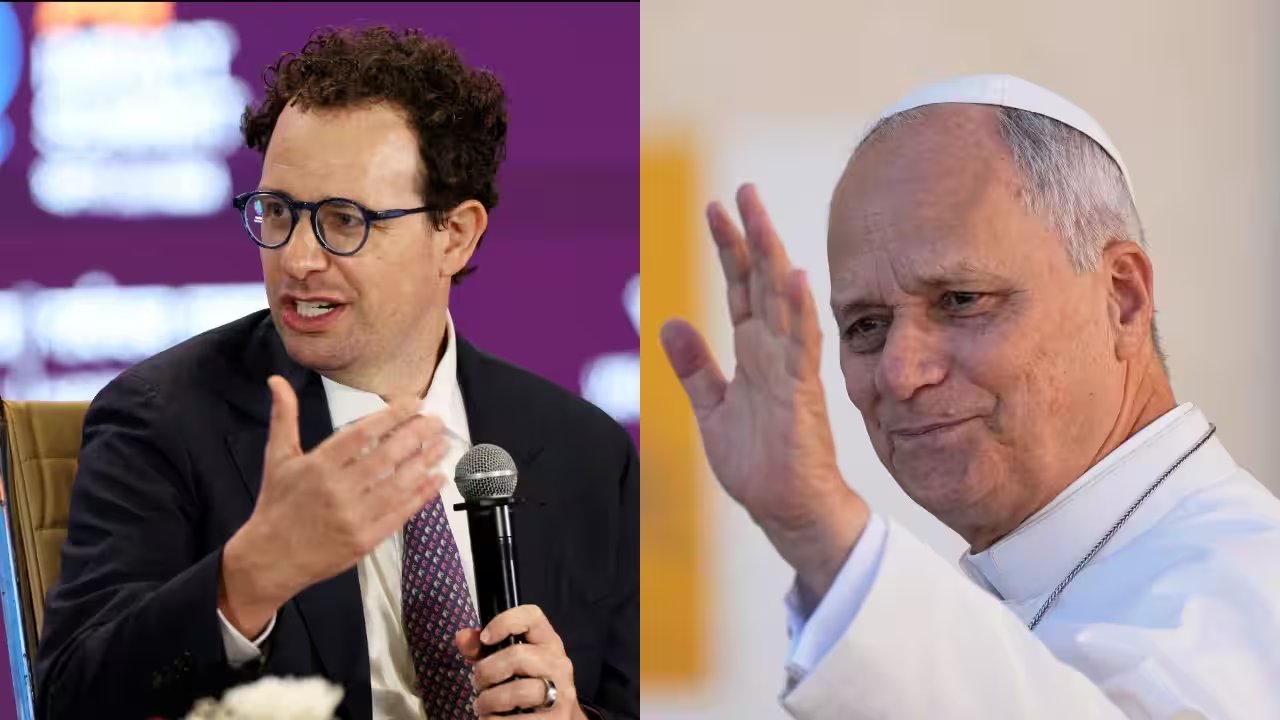
The papal document warned that technology must never eclipse humanity, calling AI consciousness a dangerous aspiration—an echo of centuries‑old theological debates about the soul. Pope Leo XIV’s language was stark: "If technology becomes the ultimate criterion, the human person risks being reduced to data, a cog in a machine or a commodity."
Anthropic, co‑founded by Christopher Olah, has been courting theologians and philosophers for months, drafting an 84‑page "constitution" for its Claude models that seeks to embed a shared moral code. The company, which could soon hit a $2 trillion valuation, says it is acting to pre‑empt the very risks the Pope highlighted: job disruption, cyber‑attacks, and even biological threats.
Olah, after reading the encyclical, told The New York Times that the Vatican’s stance forced the company to rethink its approach to moral status. "We cannot separate AI development from questions about values and morality," he said. He added that the company would now consult Vatican scholars before launching any new Claude iteration.
The pause on new releases is not just a corporate PR move; it signals a nascent industry‑religion partnership. Vatican officials plan to convene a panel of AI experts and clergy next month, hoping to produce a framework that balances innovation with human dignity. In the meantime, a small group of workers at a Vatican printing press—whose jobs were recently threatened by automation—has expressed cautious optimism that the dialogue will protect their livelihoods.
Next week, Anthropic will host a livestreamed debate with Pope Leo XIV’s advisors, and the Vatican will release a joint statement outlining the ethical parameters for AI development. The outcome of this dialogue could set a precedent for how tech giants negotiate moral responsibility with religious and civic stakeholders worldwide.